
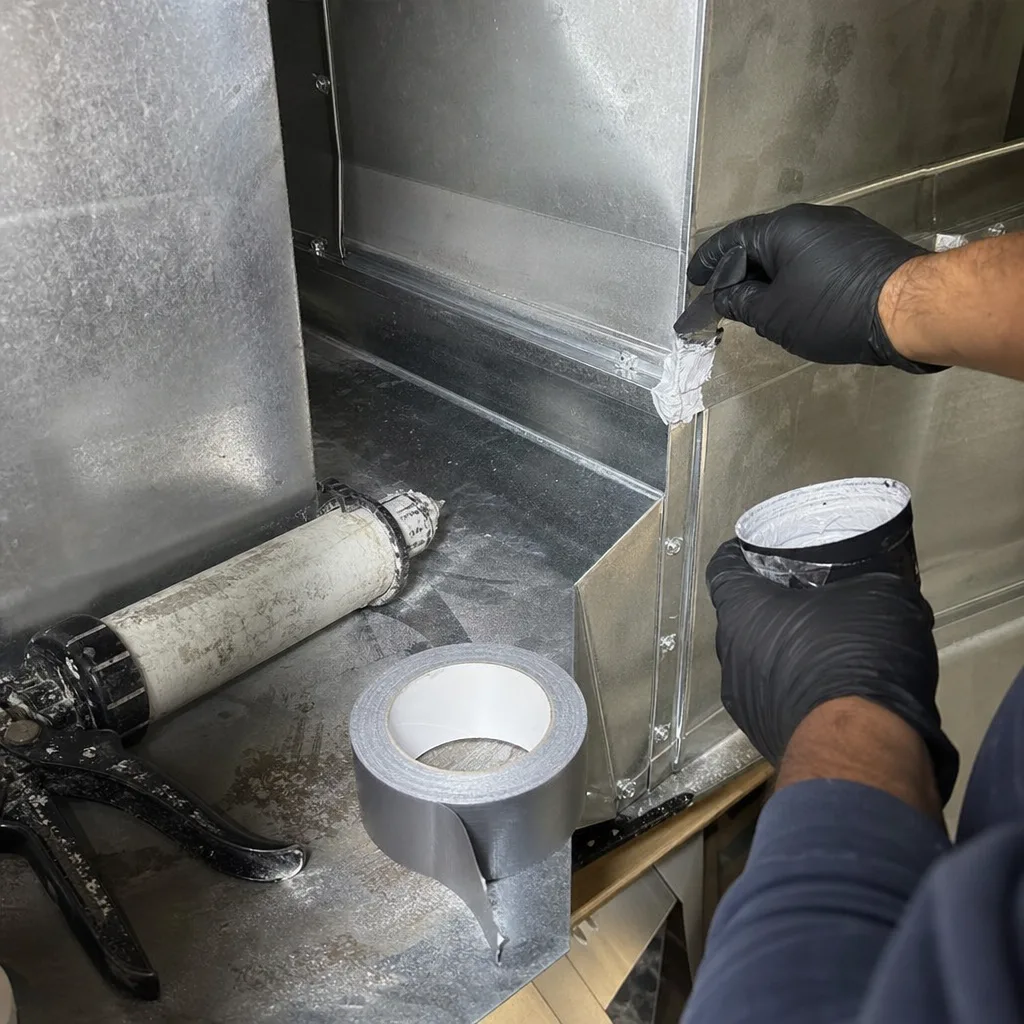
Last updated November 23, 2026
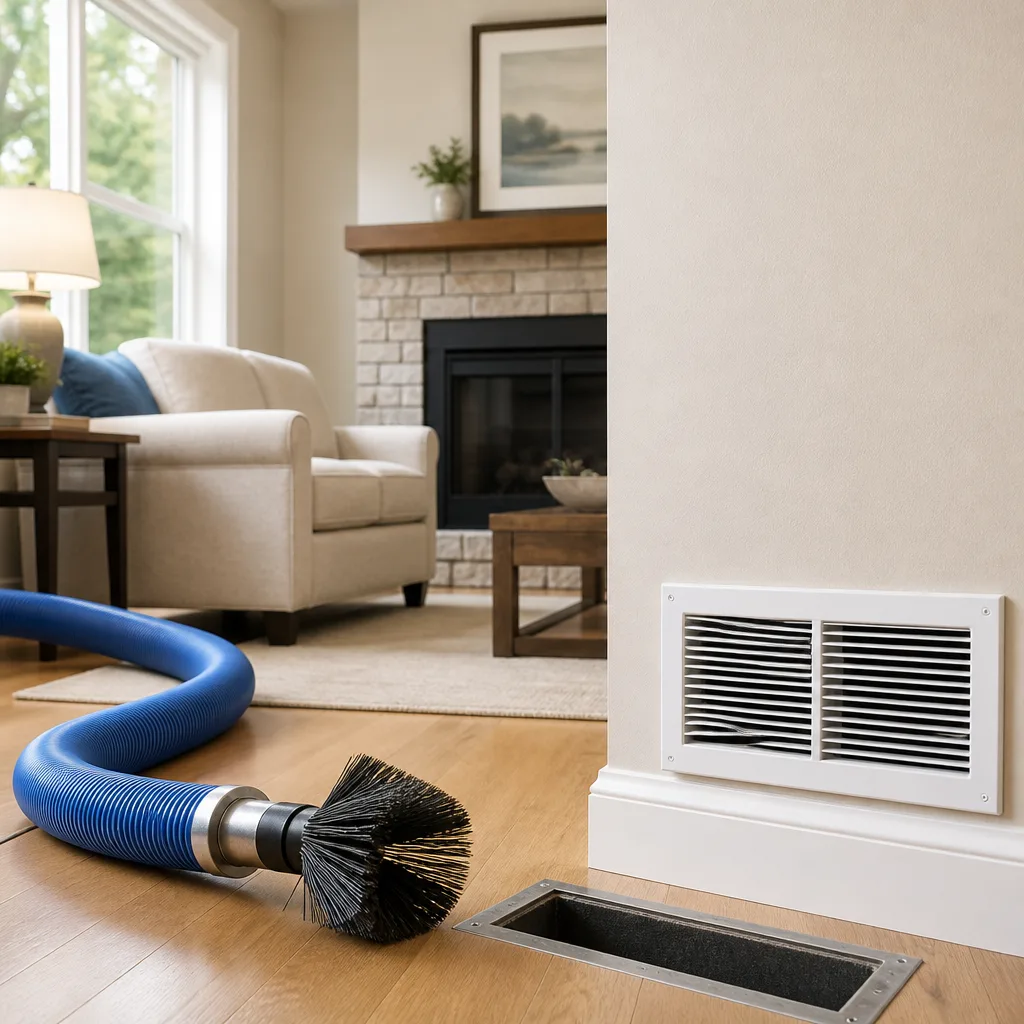 Whole-home duct cleaning
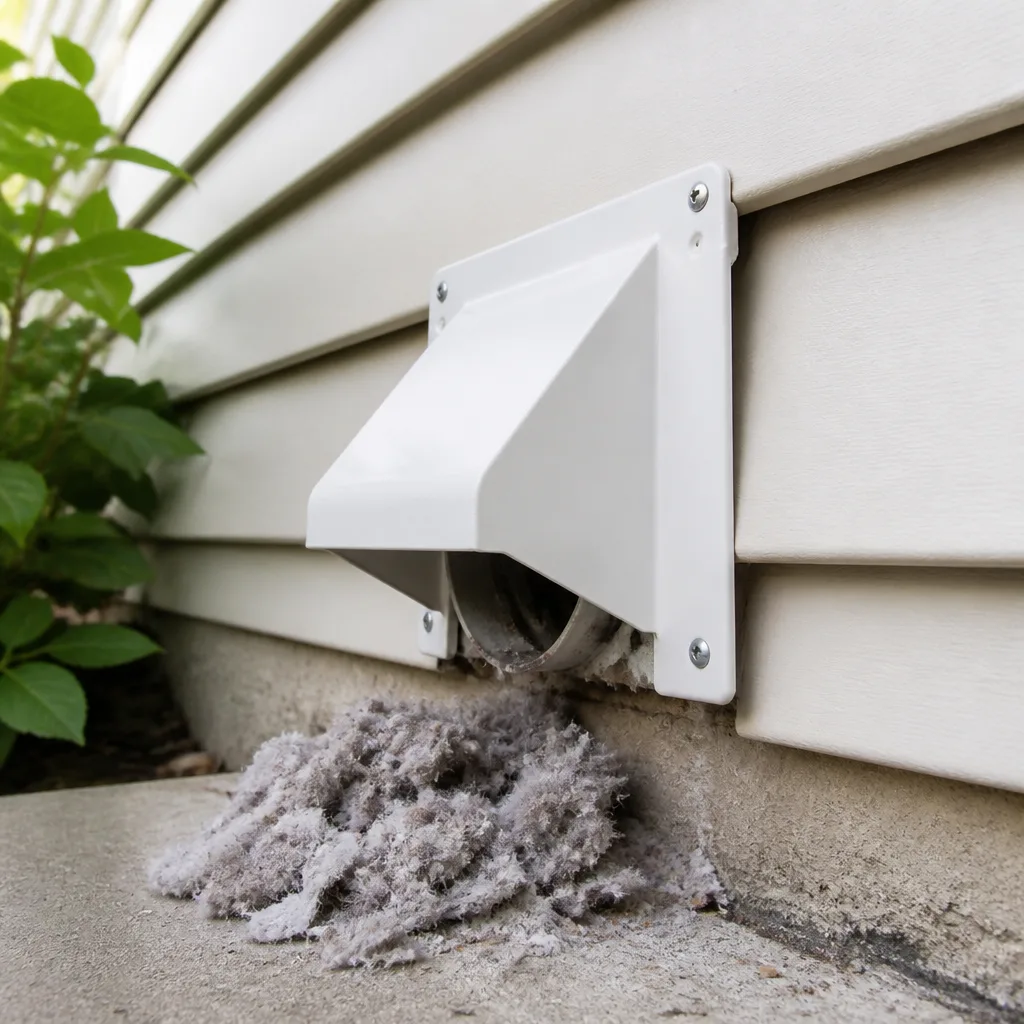 Dryer vent cleaning
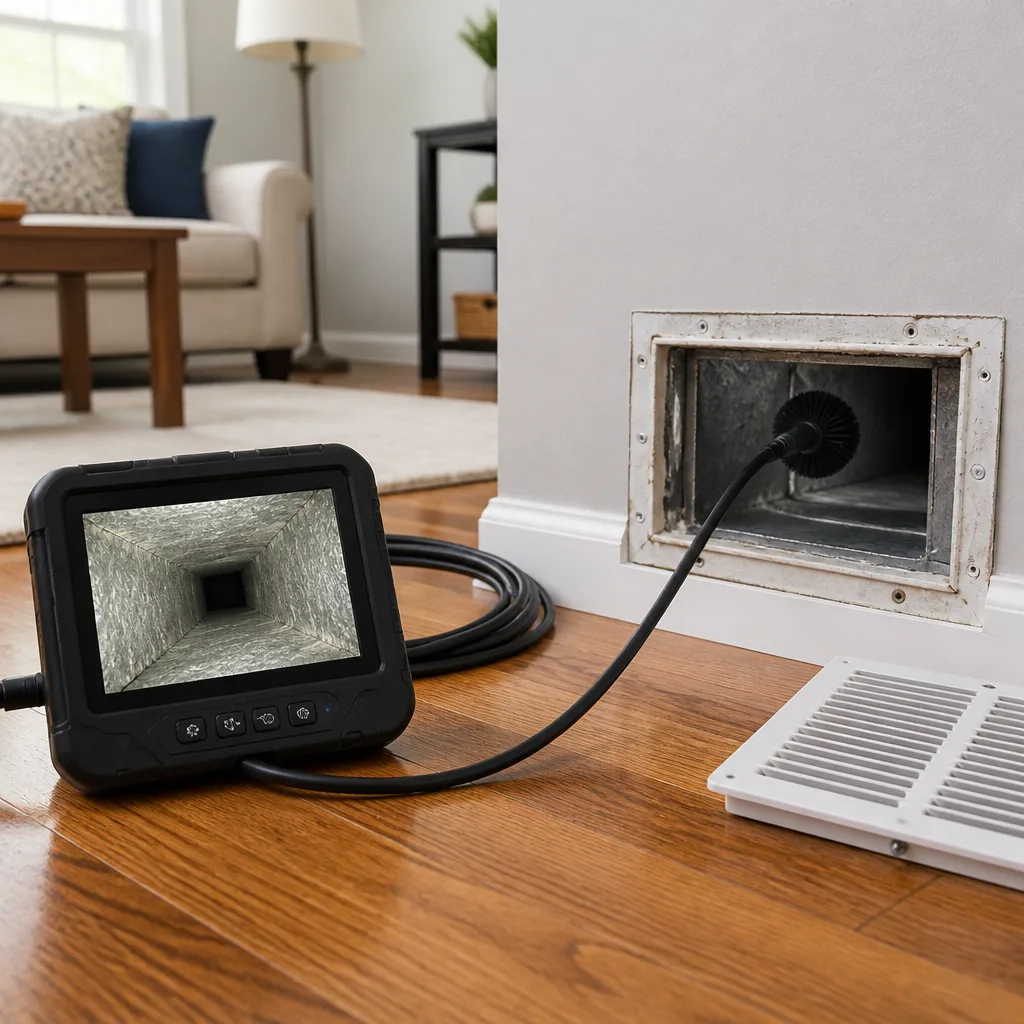 Camera inspection
 Sanitizing & deodorizing
Whole-system duct and dryer vent check with before-and-after photos - you see exactly what came out of your vents
That "$99 whole-house special" is a bait ad - the real number appears once they are in your hallway, or the "clean" is a shop-vac at the register. We photograph the inside of your ducts before and after instead.
How to Hire an Air Duct Cleaning Contractor in White Rock: A Step-by-Step Guide
Texas does not require a state license to operate a duct cleaning business. That is the fact most hiring guides leave out, and it changes the whole decision. The company that shows up at your door could have bought their equipment last week, printed a website, and started calling themselves specialists. Licensing alone, in other words, won’t protect you in White Rock, so the hiring decision has to run on verifiable technical criteria instead. This guide walks through the exact questions, documents, and equipment details that separate a real duct specialist from a generalist with a vacuum and a coupon. By the end you’ll know how to vet a contractor in White Rock before anyone touches your system.
Quick Answer
To hire an air duct cleaning contractor in White Rock, verify the company against technical criteria rather than reviews or price alone: confirm their equipment (negative-pressure vacuum, rotary brush system, camera scope), ask for a written scope of work that follows NADCA ACR standards, and require before-and-after documentation at the end. Because Texas doesn’t license duct cleaners, your written scope, equipment questions, and post-job paperwork are the only real accountability. Ask for all three before you sign anything.
Styles & brands we work with
- Whole-home duct cleaning
- Dryer vent cleaning
- Camera inspection
- Sanitizing & deodorizing
Table of Contents
- Why Texas Doesn’t License Duct Cleaners, and What That Means for You
- What NADCA Membership Actually Verifies (and What It Doesn’t)
- The Equipment Questions That Separate Specialists from Generalists
- Red Flags in Low-Bid Duct Cleaning Offers
- How to Request and Read a Written Scope of Work
- The Step-by-Step Vetting Process for White Rock Homeowners
- Post-Job Accountability: What You Should Receive in Writing
- What Makes Duct Work Different in White Rock
Why Texas Doesn’t License Duct Cleaners, and What That Means for You
Texas leaves air duct cleaning largely unregulated at the state level. There’s no license class for duct cleaning, no state exam, and no minimum equipment standard. A general handyman, a carpet cleaner with a shop vac, and a full-system specialist can all legally advertise the same service. That’s the landscape you’re hiring inside of.
What this means in practice is that the usual shorthand for vetting a contractor (check the license number, look up the state database) doesn’t apply here. You can’t confirm competence through a government lookup because there isn’t one to check. The accountability has to come from somewhere else, and that “somewhere else” is a combination of professional association standing, equipment, and written documentation.
We’ve watched this play out across White Rock, where the housing stock ranges from newer builds to older homes with ductwork that has decades of accumulation in it. The job genuinely varies by house, and the company that treats every White Rock home the same way (one price, one process, out the door) is telling you something about how they work. A serious specialist scopes each system individually.
Three things fill the accountability gap left by the missing license:
- Written scope of work. A document that lists exactly what will be cleaned, how, and with what equipment. If they won’t write it down, there’s nothing to hold them to.
- Equipment disclosure. Specific brands and specifications, not “professional equipment.” You can research Rotobrush or Nikro systems; you can’t research a vague claim.
- Documentation after the job. Before-and-after evidence and a written note on any deficiencies found. This is what proves the work happened.
None of these are exotic. You just have to ask. And because the industry doesn’t force them on anyone, the ask itself is the filter. A contractor who welcomes a written scope and camera inspection is a very different business from one who gets cagey when you request either.
What NADCA Membership Actually Verifies (and What It Doesn’t)
NADCA is the National Air Duct Cleaners Association, and its standard (ACR, the Assessment, Cleaning and Restoration standard) is the closest thing the industry has to a shared benchmark for what a legitimate cleaning job involves. Membership signals that a company has chosen to be measured against that benchmark. It does not verify that every technician on the job is certified, that the work is done to standard on every visit, or that the company is right for your specific system. Membership is a starting filter, not a finish line.
Here’s how to think about what NADCA membership tells you and what it doesn’t:
- It does confirm the company has aligned with a recognized industry body and, in the case of certification, that at least some technical staff have passed an exam tied to the ACR standard.
- It does not confirm that the crew arriving at your White Rock home is the same trained crew touted on the website, or that they follow the standard when nobody’s watching.
- It does not confirm equipment quality. A member can still show up with underpowered gear if the standard is loosely applied.
- It does not confirm pricing fairness. Membership says nothing about how the invoice is built.
How to check a company’s standing in real time: go to the NADCA website and use its find-a-professional search, matching the company name and location. Confirm the business appears and note whether it’s listed as a member or a certified firm. Then, on the call, ask directly which individuals on the job hold certifications and how long each has been doing this work. A company that genuinely stands behind the standard can answer both without hesitation.
In our work around White Rock, NADCA alignment matters most when ductwork is older or has been modified over time, because the ACR standard includes an assessment step before cleaning starts. A contractor who skips the assessment and goes straight to the vacuum is telling you their process is a one-size routine, not a measured job. We treat the assessment as the first step, not an optional add-on, and our technicians have up to 12 years of experience reading systems before they clean them.
The Equipment Questions That Separate Specialists from Generalists
Equipment is the fastest, hardest filter available to you, and it’s the one most homeowners skip. A generalist crew runs a shop vacuum and a spinning brush. A duct specialist runs a negative-pressure vacuum truck or portable unit, a rotary brush system designed for duct interiors, and a camera scope to see what they’re dealing with. The gap between those two setups is the difference between moving surface dust and actually cleaning a system.
Ask these questions before you book, and listen for specifics rather than adjectives:
- “What’s the negative-pressure CFM rating of your vacuum?” Duct cleaning requires pulling the system under negative pressure so dislodged debris is captured, not redistributed into the house. A contractor who can’t quote a CFM figure, or who waves off the question, is running equipment not built for the job.
- “What brush heads do you use on flex duct?” Flex duct is delicate. Aggressive brush heads tear the inner liner; the right heads are matched to the duct type. Ask whether they carry different heads for rigid and flex, and whether they adjust the brush for the duct they’re in.
- “Do you carry a camera scope?” A scope is how a contractor sees inside the system before and after cleaning, and it’s how they show you the results. If they don’t own one, they can’t document the work, which brings us to the next answer.
- “What brands of equipment do you run?” Professional track brands like Rotobrush and Nikro are purpose-built for duct cleaning and are the same lines commercial HVAC contractors use. Hearing one of those named specifically is a much stronger signal than “we use professional equipment.”
The equipment conversation also tells you how a company scopes a job. A team using Rotobrush and Nikro gear will usually assess each branch of ductwork individually, because their equipment is designed to handle different duct sizes and materials. A shop-vac crew cleans what it can reach and calls it done. In White Rock homes, where flex runs are common in newer builds and rigid metal shows up in older ones, that difference matters.
One more equipment-related detail worth asking: whether the contractor brings air-quality technology into the picture at all. We deploy filtration and air-quality products from Honeywell, Aprilaire, and Abatement Technologies when a home needs more than a cleaning, bringing a standard used in commercial and medical settings to residential work. A specialist should be able to talk about that layer of the job. If your duct system is degrading your air quality, the right question isn’t only “who cleans it,” it’s “who understands what’s happening inside it.” That’s where a full-system specialist like Air Duct Cleaning White Rock differs from a vacuum crew.
Red Flags in Low-Bid Duct Cleaning Offers
The cheapest quote in the DFW market is usually the most expensive job, and duct cleaning has a well-earned reputation for bait-and-switch. The pattern is consistent: a low teaser price gets the technician to your door, and the invoice grows once they’re inside. Knowing the specific traps lets you spot them before you book.
- Per-vent pricing. A quote built on a per-vent rate invites the crew to count vents generously and charge accordingly. A whole-system quote agreed before work starts leaves no room for that math.
- The mold upsell. A technician who “finds” mold in the ducts and immediately offers a spray treatment at an added cost, without any documentation, is running a script. Mold treatment is a real service, but it should come with evidence (photos, a written finding), not a surprise pitch on the day.
- “Blow-out only” cleaning misrepresented as full cleaning. Blowing compressed air through the ducts without a negative-pressure vacuum loosens debris into the living space. It’s not cleaning, it’s redistribution, and it can leave your White Rock home dustier than before.
- No written scope before the visit. If the only thing you sign is a low-ball estimate and the details are verbal, you have nothing to hold them to. A written scope is the baseline of a legitimate job.
- Vague equipment answers. “We use professional equipment” with no brand, no CFM figure, no camera scope is the sound of a generalist crew.
- No after-the-fact documentation. A contractor who isn’t prepared to show you before-and-after evidence of your own ducts is asking you to take the work on faith.
None of this means the cheapest contractor is always wrong. It means price alone is the weakest criterion you can use in a market where licensing doesn’t exist. We’ve built our white Rock work around the opposite model: one flat price per system, agreed before work starts, no per-vent pricing, and before-and-after photos of your own ducts. That model removes the incentive to find problems that aren’t there.
How to Request and Read a Written Scope of Work
A written scope of work is the document that turns a verbal promise into something enforceable. Ask for it before you book, and read it before you sign. For a job to meet the NADCA ACR standard, the scope should spell out the assessment, the cleaning method, the equipment, and the protection of the home.
Specific line items that should appear:
- System inventory. How many supply and return branches will be cleaned, and which equipment (furnace, air handler, coil) will be addressed.
- Assessment step. A pre-cleaning inspection, ideally with a camera scope, to identify conditions before any cleaning begins.
- Cleaning method and equipment. Negative-pressure vacuum with a stated CFM, plus the rotary brush or air-whip tools that will be used, matched to duct type.
- Source removal. The scope should speak to removing debris from the source, not sealing or masking it.
- Home protection. How floors, furnishings, and the air handler opening will be protected during the work.
- Access and restoration. Any access cuts required will be sealed and restored to standard afterward.
- Post-cleaning verification. Confirmation that before-and-after documentation will be provided.
Read the scope and ask yourself: does this describe my system specifically, or could it be pasted onto any house? A scoped job references your duct count, your equipment, and any conditions found in the assessment. If the White Rock contractor hands you a generic one-pager, that’s the sign to keep looking. A proper scope is the foundation of the whole relationship, and it’s what any legitimate air duct cleaning job should begin with.
The Step-by-Step Vetting Process for White Rock Homeowners
Here’s the whole hiring process in order. Work through it before you commit to anyone, and you’ll have answered the licensing problem with technical criteria instead.
- Filter by association standing. Check whether the company appears in the NADCA find-a-professional search, and note whether they’re a member or certified firm.
- Request the written scope. Ask for it by email before booking. If they won’t provide one, stop here.
- Ask the three equipment questions. Negative-pressure CFM, brush head compatibility with flex duct, and whether they carry a camera scope. Capture the answers.
- Confirm the service breadth you need. Duct cleaning is one piece. Dryer vent cleaning, HVAC cleaning, air quality and sanitizing, and duct repair and sealing are separate services, and a specialist should cover the full system. Ask directly whether they handle repair and sealing, because cleaning a leaking duct without sealing it leaves the underlying problem in place.
- Ask how the price is built. A whole-system price agreed before work starts, not a per-vent rate. Clarify what triggers any change in the agreed price.
- Ask what you’ll receive afterward. Before-and-after documentation, a written summary of work performed, and a note on any deficiencies found.
- Get the small stuff in writing. Home protection, access cuts and their restoration, and confirmation that the work will be done by the crew that scoped it.
- Compare at least two compliant quotes. Compare on scope and equipment, not just price. The lowest compliant quote is a very different number from the lowest non-compliant one.
This process takes maybe half an hour of research and emails. It protects you from the single biggest risk in this market, which is that you hire a crew with no equipment, no scope, and no documentation because nothing in Texas requires them to have any of it.
Post-Job Accountability: What You Should Receive in Writing
The job isn’t done when the technician packs up. A legitimate duct cleaning ends with documentation, and what you receive afterward is where the real accountability lives. A contractor who stands behind their work should hand you a package, not just an invoice.
What to expect at the end:
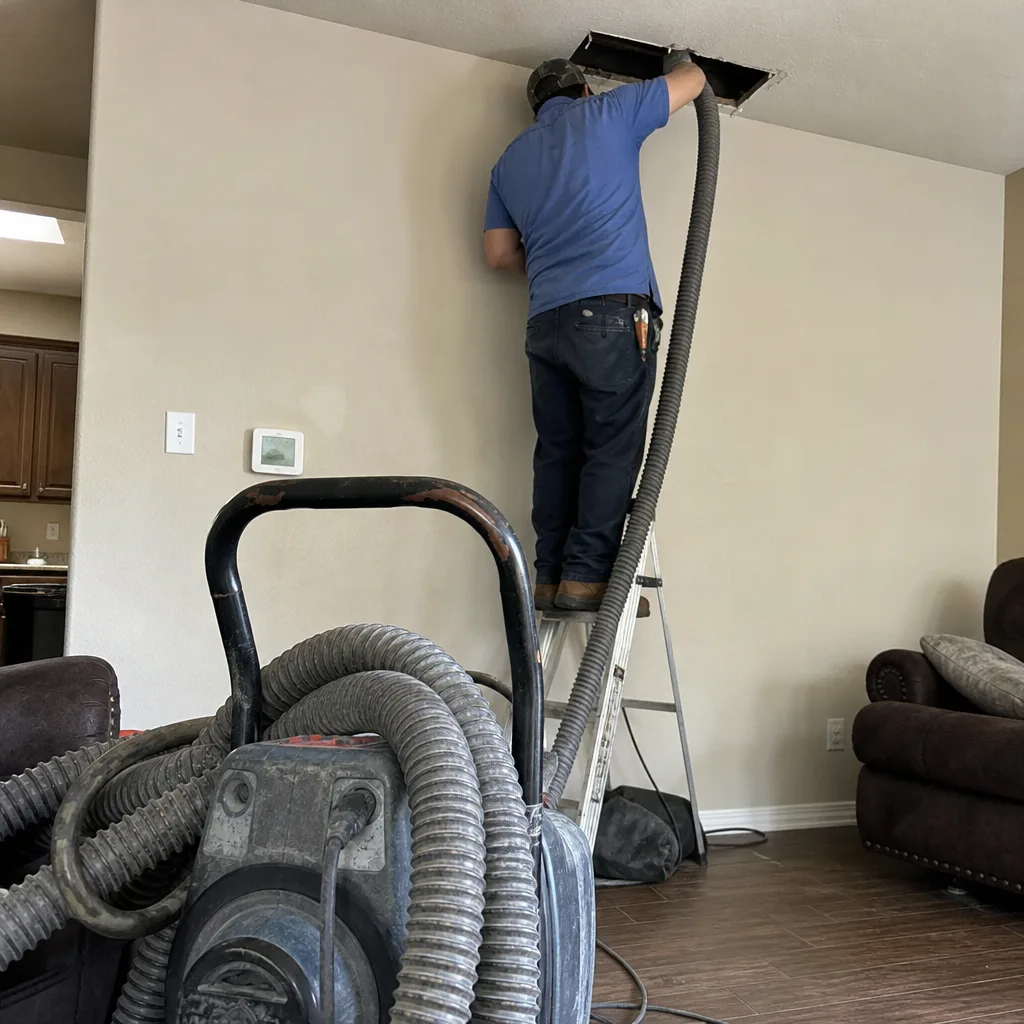
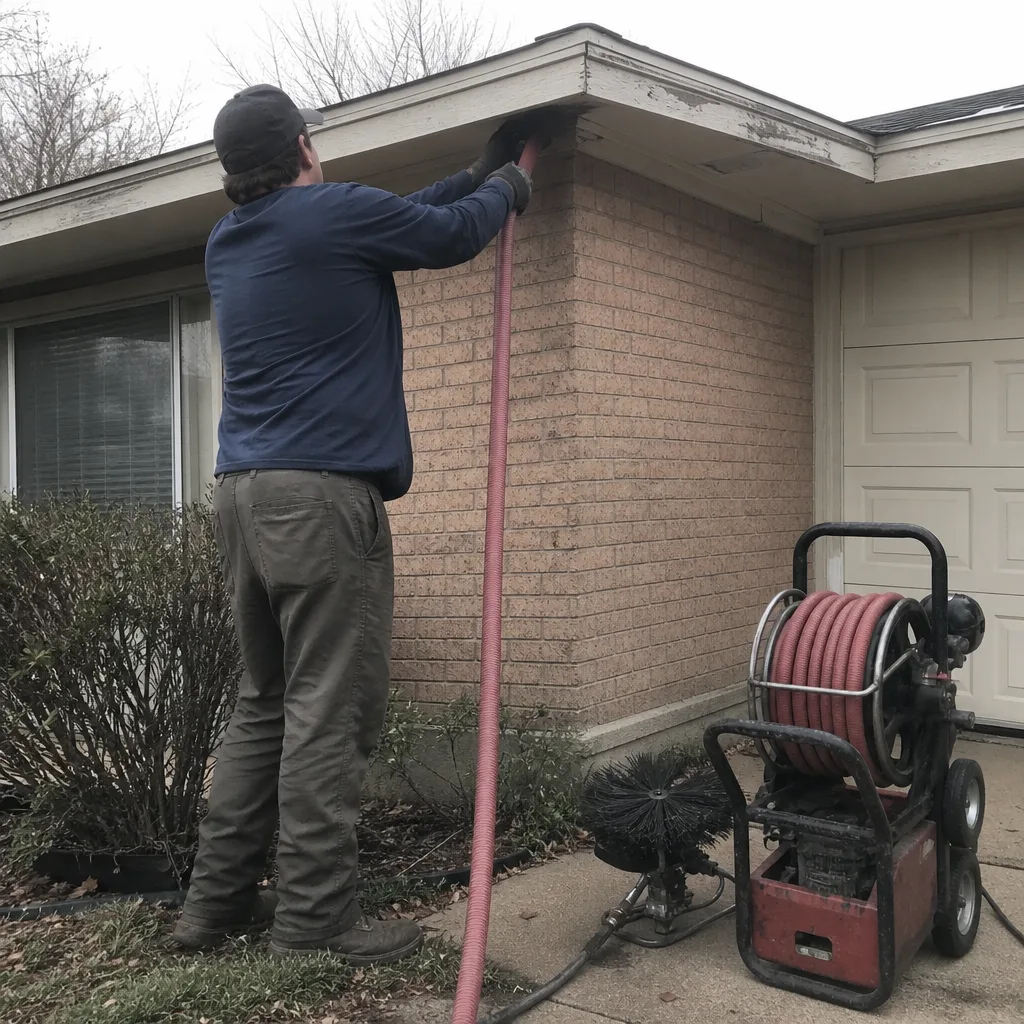
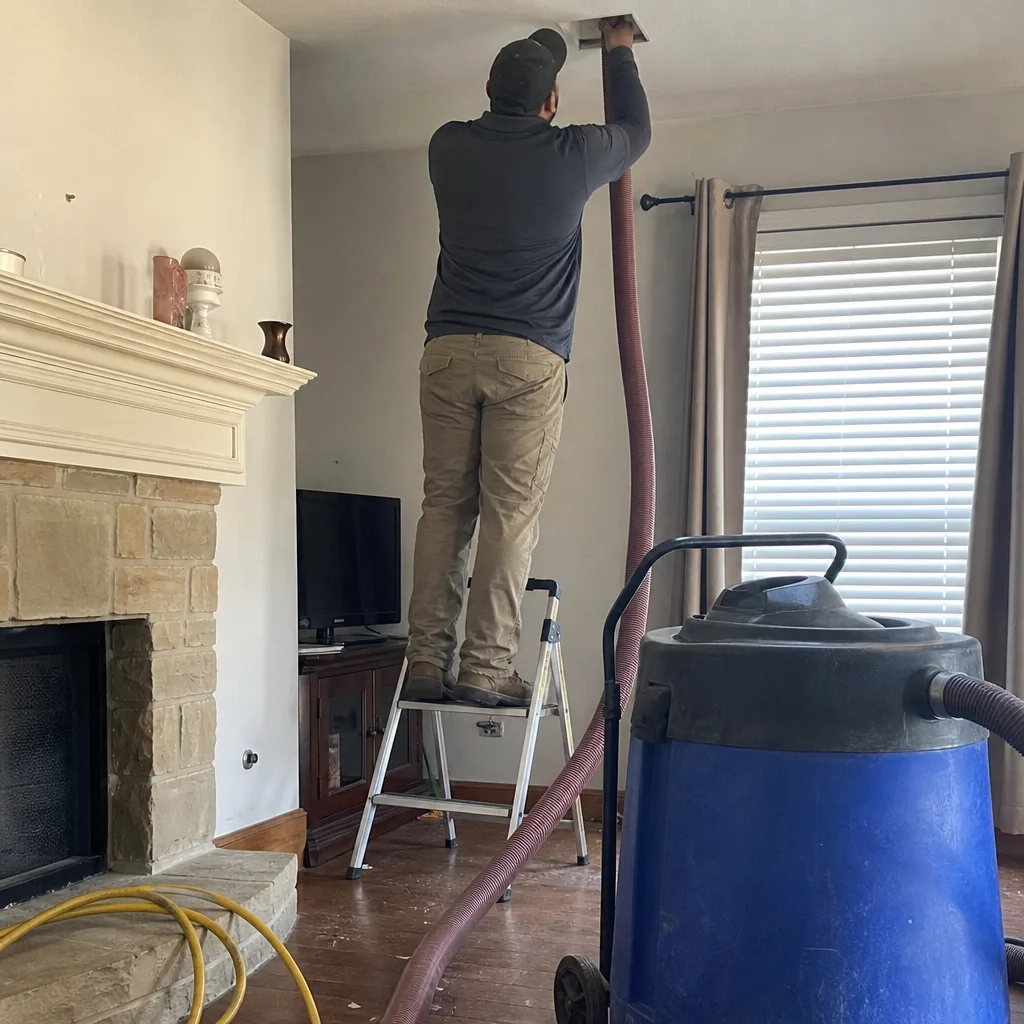
- Before-and-after documentation. Photos of your own ducts, ideally from the camera scope, showing the condition before cleaning and after. This is your proof the work actually happened.
- A written summary of work performed. Which branches were cleaned, what method and equipment were used, and whether anything was found that needed repair or sealing.
- Any deficiencies found. If the assessment turned up a leaking joint, disconnected run, damaged flex liner, or a dryer vent full of lint, it should be written down. This is where a full-system specialist moves beyond cleaning: identifying the root cause and offering repair and sealing is the step that most crews skip.
- A note on any products used. If sanitizing was part of the job, the products matter. We use Guardsman-grade sanitizing products for post-clean protection and odor control, and any contractor should be willing to state what they applied and why.
- Follow-up guidance. An honest contractor will tell you how often the system actually needs cleaning based on what they found, not on a membership or maintenance plan.
In our experience, this post-job package is the single best predictor of whether a White Rock homeowner will recommend a contractor. The work is only half the job. The other half is the proof you can point to afterward.
What Makes Duct Work Different in White Rock
White Rock sits in the DFW market, which means long, hot cooling seasons and an HVAC system that runs hard for months. That run time matters for duct work in two ways. First, it means dust, pollen, and debris accumulate inside the system faster than in milder climates, so what gets pulled through the ducts doesn’t stay put; it moves into living spaces with every cycle. Second, it means any efficiency loss from leaking or disconnected ducts costs you all summer, not just occasionally.
The housing mix around White Rock pushes in the same direction. Newer builds typically use flex duct, which is efficient but delicate and prone to tearing if cleaned with aggressive brush heads. Older homes tend to have rigid metal runs, which hold up to more but can have decades of accumulation and compromised joints. A contractor who understands the difference will scope the system and match their equipment to what’s actually there. One who doesn’t will clean both the same way and miss the conditions that matter.
This climate is also why dryer vent cleaning belongs in the same conversation as duct work. A dryer vent packed with lint is a fire risk, and in a market where dryers run year-round, that buildup doesn’t get a break. It’s a service a full-system specialist should handle, and it’s one of the parts of the job homeowners most often forget to ask about. That breadth is the reason a single-company answer to the full indoor-air system is worth asking for: cleaning, sanitizing, HVAC cleaning, dryer vent work, and repair and sealing under one accountable provider. When you’re vetting a White Rock contractor, ask whether they cover dryer vent cleaning and duct repair, or whether those are separate calls to separate companies. If it’s the latter, you’re patching together handlers for a single system, and nobody owns the whole picture.
Common Mistakes to Avoid
- Choosing on price alone. In a market without licensing, price is the weakest signal available. Compare quotes on scope and equipment, and a low number with no written scope shouldn’t get past the first filter.
- Skipping the equipment questions. If you don’t ask about negative-pressure CFM, brush heads, and camera scopes, you’ll never know what kind of crew showed up. Those three answers separate specialists from generalists in about a minute.
- Signing a per-vent quote. A per-vent price leaves the door open for an invoice that grows once the technician is inside. A whole-system price agreed before work starts closes that door.
- Believing a mold pitch with no documentation. Mold is a real problem, but a technician who finds it and immediately upcharges for treatment without photos or a written finding is running a script, not an evaluation.
- Accepting a generic scope. A written scope that could apply to any house in White Rock isn’t scoped to yours. It should reference your duct count, your equipment, and any conditions the assessment found.
- Not asking for before-and-after evidence. Without photos of your own system, you’re taking the work on faith. Documentation is the proof, and a legitimate contractor provides it.
- Ignoring the repair and sealing step. Cleaning a leaking or disconnected duct without sealing it leaves the root cause in place. Ask directly whether repair and sealing is part of the scope.
See the difference
 Before
 After
 Before
 After
 Before
 After
When to Call a Professional
Some duct problems announce themselves and some stay quiet until they’re expensive. Call a professional if you notice dust returning to surfaces within days of cleaning, visible debris or dark streaks around vents, a musty smell that lingers after normal cleaning, or rooms that never seem to heat or cool evenly. Call if anyone in the household has ongoing respiratory or allergy symptoms that seem tied to time indoors, or if your system is older and you don’t know its cleaning history. Dryer vents should be checked if a full cycle no longer dries clothes completely, or if lint is building up around the vent. And call if you’re simply planning a cleaning and want the job scoped properly from the start. Air Duct Cleaning White Rock offers free estimates in White Rock. Call (855) 337-2035. We answer 24/7. Fast dispatch from 7am to 7pm, Sunday through Friday. The local pro is licensed and insured as their state requires, the price is one flat price per system agreed before work starts, and estimates are free.
Frequently Asked Questions
No, Texas does not require a state license to operate an air duct cleaning business. That means the hiring decision has to rely on other verification: NADCA standing, specific equipment details, a written scope of work, and post-job documentation. Ask for all four before you book.
Air duct cleaning in White Rock is priced per system by a written estimate, not per vent, because the job depends on the system rather than the number of openings. Call (855) 337-2035 for a free estimate – the written quote sets the final price, and we’ll confirm it before any work begins.
Low quotes usually come from per-vent pricing, undersized equipment, or a blow-out method that doesn’t actually clean the system. Those details aren’t visible in the number on the page, which is why comparing on scope and equipment matters more than comparing on price. A whole-system price agreed before work starts is the honest alternative. Call (855) 337-2035 for an exact quote – estimates are free.
Ask for before-and-after photos of your own ducts, including camera-scope evidence if the contractor carries a scope, plus a written summary of the work performed. A contractor who provides both is accountable; one who provides neither is asking you to trust a verbal report. We provide before-and-after photos as standard. Call (855) 337-2035 for a free estimate – estimates are free.
NADCA membership confirms a company has aligned with the industry’s ACR cleaning standard and, with certification, that some technical staff have been tested against it. It does not verify equipment quality, that the crew on your job is certified, or that pricing is fair. Check standing on NADCA’s find-a-professional search, then verify the crew on the phone.
There’s no single interval that fits every home in White Rock. Homes with pets, allergy sufferers, recent renovation, or long cooling-season run time often need it sooner than a household with none of those factors. Ask the contractor what they find in the assessment and how often they’d recommend based on that, rather than accepting a fixed schedule. Call (855) 337-2035 for a free estimate – estimates are free.
If the contractor covers the full system, yes. Dryer vent lint is a fire risk, and duct repair and sealing address the root causes that leave a duct system dirty or inefficient. A single provider covering cleaning, sanitizing, repair, and drying-vent safety means nobody points at a different contractor when something needs fixing. Call (855) 337-2035 for a free estimate – estimates are free.
The Bottom Line
In White Rock, the duct cleaning hiring decision comes down to verifiable criteria, not stars or price tags. Texas doesn’t license the trade, so your protection is the written scope, the equipment questions, the association check, and the documentation you receive afterward. Ask about negative-pressure CFM, brush heads for flex duct, camera scope access, and whether repair and sealing is part of the job. A specialist like Air Duct Cleaning White Rock runs Rotobrush and Nikro equipment, integrates Honeywell and Aprilaire air quality products, and covers all five services under one accountable provider. Call for a free estimate and ask the questions this guide gives you.
Get a Free Estimate
We keep the hiring conversation simple: one flat price per system, agreed before work starts, no per-vent pricing, and before-and-after photos of your own ducts. Our technicians have up to 12 years of experience, we run professional-grade equipment from Rotobrush and Nikro, and we use Guardsman-grade sanitizing products for post-clean protection and odor control. Ready to book? Call (855) 337-2035. We answer 24/7. Fast dispatch from 7am to 7pm, Sunday through Friday. Estimates are free, and the written estimate sets the final price.
Written by the team at Air Duct Cleaning White Rock.