
Last updated November 23, 2026
 Whole-home duct cleaning
 Dryer vent cleaning
 Camera inspection
 Sanitizing & deodorizing
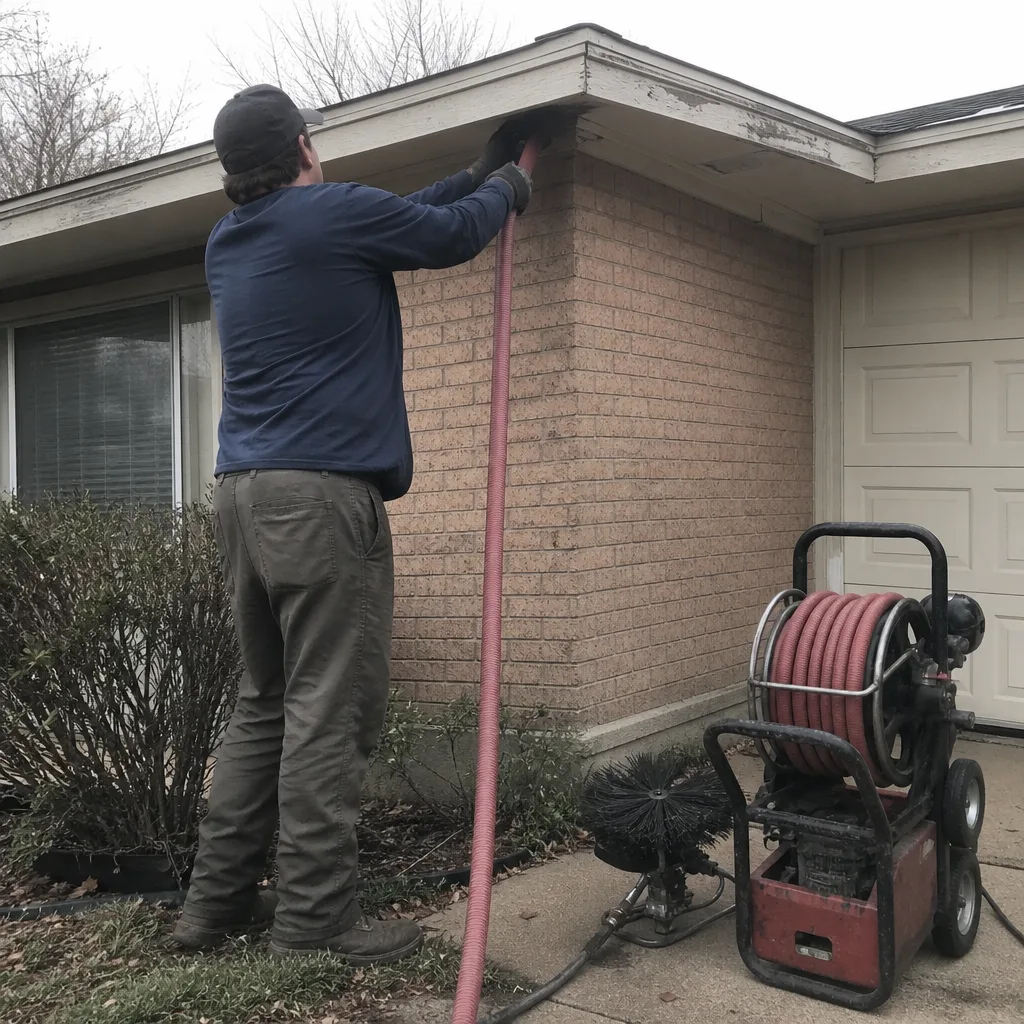
Whole-system duct and dryer vent check with before-and-after photos - you see exactly what came out of your vents
That "$99 whole-house special" is a bait ad - the real number appears once they are in your hallway, or the "clean" is a shop-vac at the register. We photograph the inside of your ducts before and after instead.
Seasonal Air Duct Cleaning Care for White Rock: Year-Round Homeowner’s Guide
Most homeowners clean their ducts when the house starts smelling like dust, and not a moment before. That reactive habit misses the point. In White Rock the indoor air story follows the calendar, and the seasons load the system in different ways. Spring buries return grilles in pollen from the cedar and oak that grow throughout North Texas. Summer heat pushes attic temperatures well past 140°F and stresses flex duct. Fall turns renovation dust loose. Winter puts combustion appliances back to work. Each season leaves its own signature inside your ductwork, and a plan built around those patterns gets you cleaner air than any single annual vacuum. This guide walks through all four seasons, then shows you how to time professional service for the most value in White Rock’s climate.
Quick Answer
Air duct cleaning in White Rock works best when it’s scheduled around the local seasonal load, not on a fixed quarterly reminder. The single most valuable cleaning window in this climate is late summer into early fall, right after the cooling season ends, because it clears a full summer of attic dust, pollen residue, and any shed liner material before the heating system starts circulating it again. Spring cleaning matters most for allergy households, and winter calls for a check on the air handler rather than a full clean.
Styles & brands we work with
- Whole-home duct cleaning
- Dryer vent cleaning
- Camera inspection
- Sanitizing & deodorizing
Table of Contents
- Why White Rock Ducts Follow a Seasonal Pattern
- Spring: Pollen Loading at the Return Grilles
- Summer: Attic Heat and Flex Duct Degradation
- Fall: Renovation Season and Drywall Dust
- Winter: Combustion Appliances and the Air Handler
- How to Time Professional Service for Maximum Value
- Common Mistakes to Avoid
- Frequently Asked Questions
Why White Rock Ducts Follow a Seasonal Pattern
Your ductwork isn’t a closed box. Every time the blower runs, the system pulls in whatever air surrounds it, filters what it can, and pushes the rest through the house. Return grilles act as the system’s front door. When the air outside changes, so does what lands on the filter and what slips past it.
White Rock sits in a part of North Texas where the seasonal swings are pronounced. Spring brings a short, intense pollen window. Summer drives attic temperatures to levels that make flex duct work harder than it should. Fall is renovation season across the Dallas suburbs. Winter reintroduces gas furnaces and other combustion appliances after months of lying dormant. Each of those phases changes the dust and debris inside your ducts, and each one rewards a slightly different response.
A general rule helps here: the timing of professional cleaning matters as much as the cleaning itself. A thorough job in July clears pollen that would otherwise sit in the system for months. A thorough job in October does the same thing plus removes whatever the summer heat released. Matching the cleaning to the season is how you get more from each visit.
If you want the basics of what a full cleaning involves before you plan around it, our air duct cleaning page walks through the process step by step. For now, the point is simpler: think in seasons, not in reminders.
Spring: Pollen Loading at the Return Grilles
The two weeks after cedar and oak pollen peak in March are when return duct filters load faster than at any other point in the year. For an allergy household in White Rock, that single window matters more than any other seasonal factor. Pollen is fine, sticky, and unusually good at clinging to a filter’s fibers, and once a filter loads up, the blower starts pulling air around the filter’s edges instead of through it.
What happens at the grille
A return grille is a wide opening with a filter behind it. In spring, that filter fills with cedar and oak pollen, plus the dust that comes with open windows. The filter’s job is to stay ahead of the load. When it falls behind, here’s what follows:
- Air takes the path of least resistance, bypassing a clogged filter through gaps at the frame.
- Unfiltered air carries pollen directly into the blower and the ducts beyond.
- The evaporator coil starts collecting a sticky film of pollen and dust that reduces its ability to cool.
- The house smells faintly of the outdoors even with the windows shut.
Is a higher MERV filter worth it in spring?
During peak allergy season in North Texas, a MERV-11 or higher filter catches far more pollen than a basic fiberglass unit. The trade-off is static pressure. A denser filter restricts airflow, which makes the blower work harder and can reduce comfort if the system wasn’t designed for it. The right approach is to check the filter’s MERV rating against your system’s blower capacity, then change it more often during the spring peak. A filter that loads in three weeks needs replacing in three weeks, not three months. If you aren’t sure what your air handler can tolerate, that’s a good question to ask during an inspection rather than guess at.
Spring is also a sensible time for a filter-and-grille check before the cooling season starts. A quick look at each return tells you whether pollen has made it past the frame. If it has, cleaning the ducts before summer makes more sense than waiting until fall.
Summer: Attic Heat and Flex Duct Degradation
In a White Rock summer, attic temperatures routinely climb above 140°F. That number matters because most modern homes route their ductwork through the attic, and much of that ductwork is flex duct, a plastic-lined tube with a wire helix and insulation around it. Flex duct is designed for the job, but it isn’t indifferent to heat.
What heat does to flex duct over time
Sustained attic heat softens the inner liner of flex duct and accelerates wear at the joints, especially where the duct turns or sags. Over several summers, that wear starts to show. The liner can develop small cracks, and the insulation around it can break down. Both changes have consequences you’ll notice indoors:
- Small particles of liner material enter the airstream and settle into the supply ducts.
- Joint failures let attic air, insulation fibers, and dust pull into the system.
- Cooling efficiency drops as conditioned air leaks before it reaches the room.
- The house feels uneven, with some rooms colder than others.
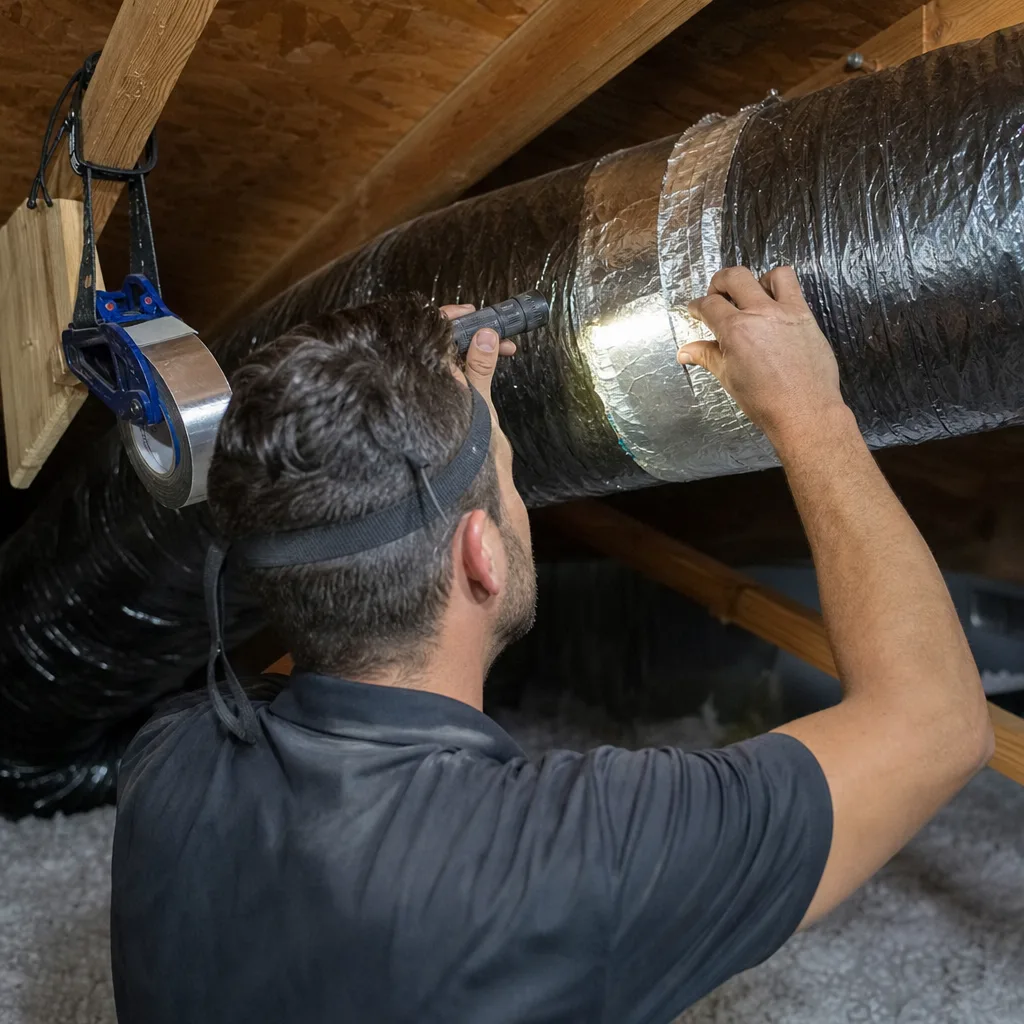
That degradation isn’t a reason to panic. It’s a reason to look. If a duct run in the attic has lost its seal or shows visible wear, cleaning the ducts without repairing and resealing them leaves the same problem in place. That’s why we clean the system and then seal it, treating repair as the logical second half of the job rather than an upsell.
Summer cleaning as damage control
Late summer is the best moment to clear out what the cooling season has deposited. By August, the ducts have carried a summer’s worth of attic dust, pollen residue from spring, and any liner shed from stressed flex runs. Cleaning at that point means the heating system starts the fall with a fresh interior, and the air your family breathes in October is measurably different from what it would be otherwise.
Keeping humidity in the house under control during summer also reduces duct condensation issues, and steady return airflow is part of that picture. If a grille is blocked by furniture or a closed door, opening it back up helps more than most people expect.
Fall: Renovation Season and Drywall Dust
Fall is when many Dallas-area homeowners schedule renovations. Kitchen remodels, bathroom updates, new flooring, and drywall work all release fine particles that find their way into the HVAC system. Unlike regular household dust, drywall dust is light, powdery, and aggressive. It bypasses standard filters more easily than people expect.
The path drywall dust takes
During cutting and sanding, drywall dust floats through the house and gets pulled toward every return grille. A basic filter catches some of it. The rest coats the heat exchanger, the blower wheel, and the interior surfaces of the ducts. Once drywall dust settles inside a duct, it doesn’t lift on its own. It dries onto the metal or flex liner and stays there until it’s mechanically removed.
The air handler is the most exposed component. Dust that lands on the blower wheel throws it out of balance, and dust that coats the evaporator coil acts like a blanket that reduces cooling capacity. If you’re planning a renovation, there are a few things worth doing:
- Close the return grilles nearest the work zone before cutting and sanding begins.
- Run the system with a fresh filter of the correct MERV rating and change it more often during the project.
- Bring in professional duct cleaning within a few weeks of the project wrapping up, since drywall dust settles once the air stops moving fast.
- Ask for a duct cleaning that includes an inspection of the air handler, because the visible ducts are only half the system.
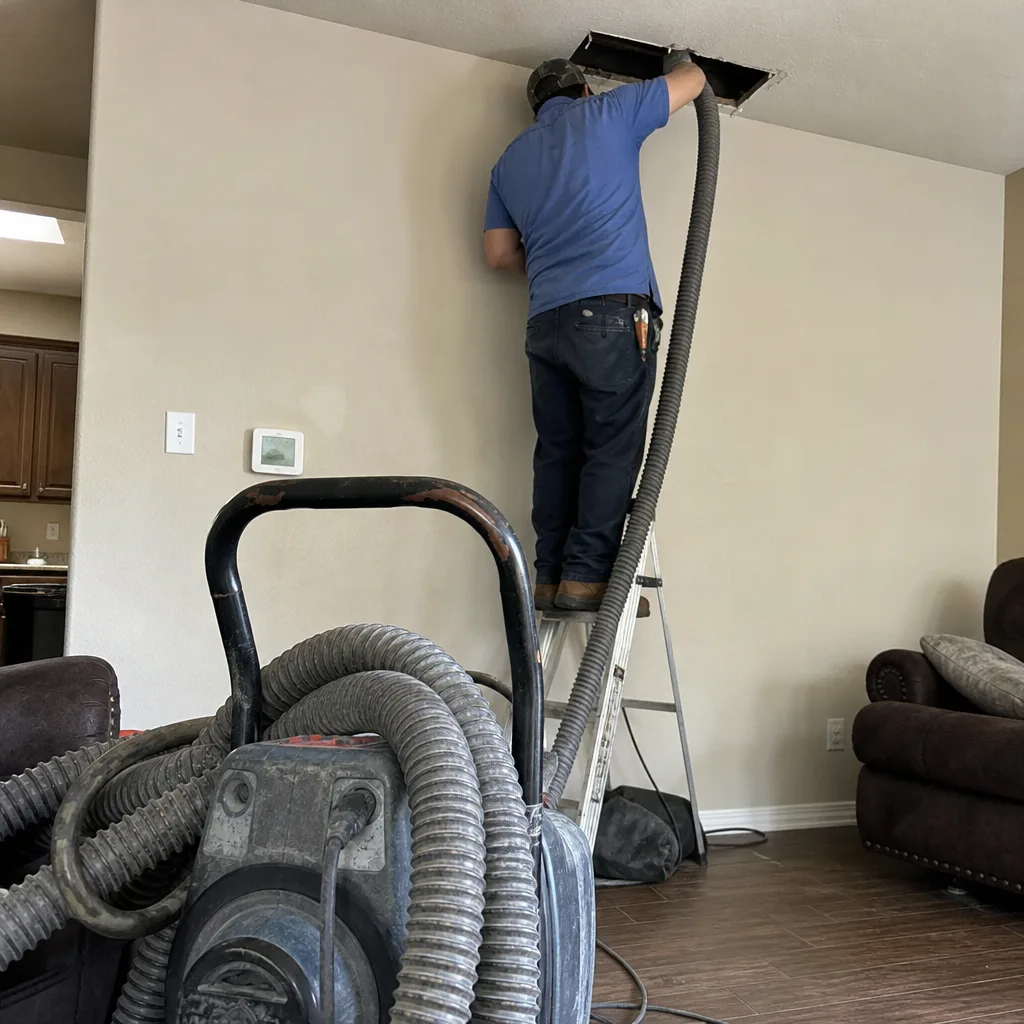
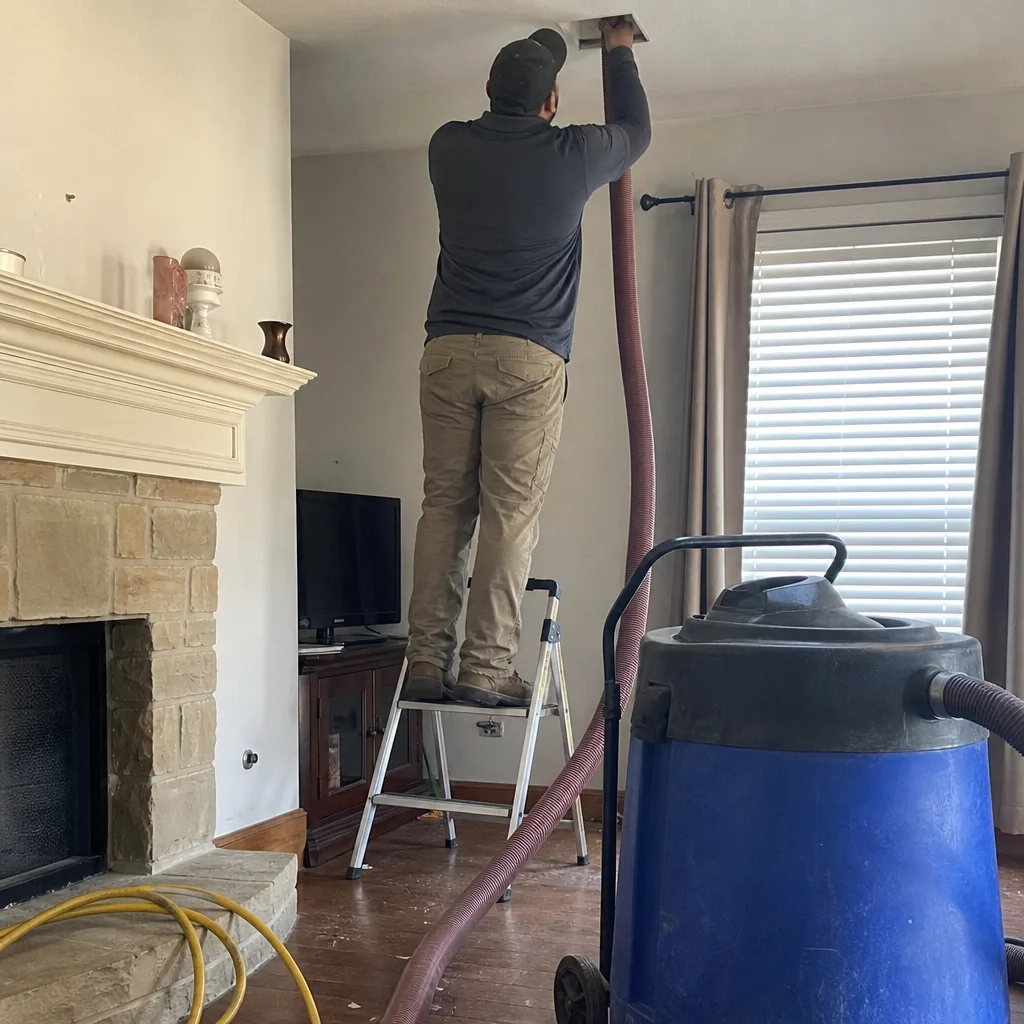
Fall is also a good time to combine services. If you’re already clearing renovation dust, a HVAC cleaning appointment addresses the coil, blower, and drain pan while an Air Duct Cleaning White Rock visit handles the ductwork itself. Doing both in one call saves the effort of coordinating separate contractors. Our team uses professional-grade equipment from Rotobrush and Nikro to do this kind of work, since consumer shop vacs can’t reach far enough into the system to make a real difference.
Winter: Combustion Appliances and the Air Handler
Winter in White Rock is mild, but it’s the season when gas furnaces restart after months of dormancy. That restart matters for two reasons: the air handler gets pushed back into service, and combustion appliances come back online inside the same house that supplies return air to the system.
What to check on the first furnace start of the season
The air handler is the box that contains the blower, the coil, and the furnace. After a summer of cooling and a few months of inactivity, it deserves a look before the heat comes on. An air handler inspection before the first cold snap catches dust buildup on the blower, filter housings that got missed, and airflow restrictions that developed over the summer.
A cracked heat exchanger is the more serious concern. When a heat exchanger develops a crack, it can release combustion byproducts into the airstream. The telltale sign is a smell like exhaust inside the house when the heat comes on, or a nose that burns slightly when you walk near a supply register. That smell is a reason to shut the system down and call for service, not a reason to schedule a cleaning. It’s a safety issue and it needs a trained eye on it before the furnace runs again.
Combustion and return-air proximity
Homes with gas water heaters, gas dryers, or gas fireplaces rely on the same air the HVAC system pulls in. If return grilles pull air from a room with a combustion appliance and that appliance lacks a dedicated outside air supply, the system can depressurize the room enough to interfere with venting. The fix usually comes from a contractor who understands combustion air, not from cleaning the ducts. Still, knowing whether your system pulls return from those spaces helps you understand the whole picture.
Winter cleaning itself is usually not the right season in White Rock. The system is already doing its hardest job heating the house, and rarely is winter the moment when dust matters most. A first-furnace-start air handler check is the more useful step, and it pairs naturally with a filter change and a visual look at the return grilles.
How to Time Professional Service for Maximum Value
If you take one thing from this guide, make it this: in White Rock’s climate, late summer into early fall is the most defensible single annual cleaning date. It clears the full load the system picked up over the cooling season and does it just before the heating season begins. That timing also matches the natural rhythm of a home’s life, since renovations tend to wrap up in early fall.
A year-round care plan, in order
- March: Check return filters, swap in a MERV-11 (or the highest rating your system allows) if allergies are an issue, and plan a light inspection of the grilles.
- April to June: If you’re booking a professional visit for spring, do it early enough that you beat the summer rush but late enough that the pollen has settled.
- July to September: Watch for hot spots, uneven cooling, or attic duct leaks. Note any rooms that never quite cool down, since that usually points to a supply duct issue.
- Late September to early November: Book the annual professional cleaning if you’re cleaning once. If you’re cleaning twice, this is the second and more thorough visit.
- November: Have the air handler inspected before the furnace’s first run of the season.
- December to February: Keep filters changed, watch for combustion odors, and address any heating complaints promptly.
Dryer vent timing
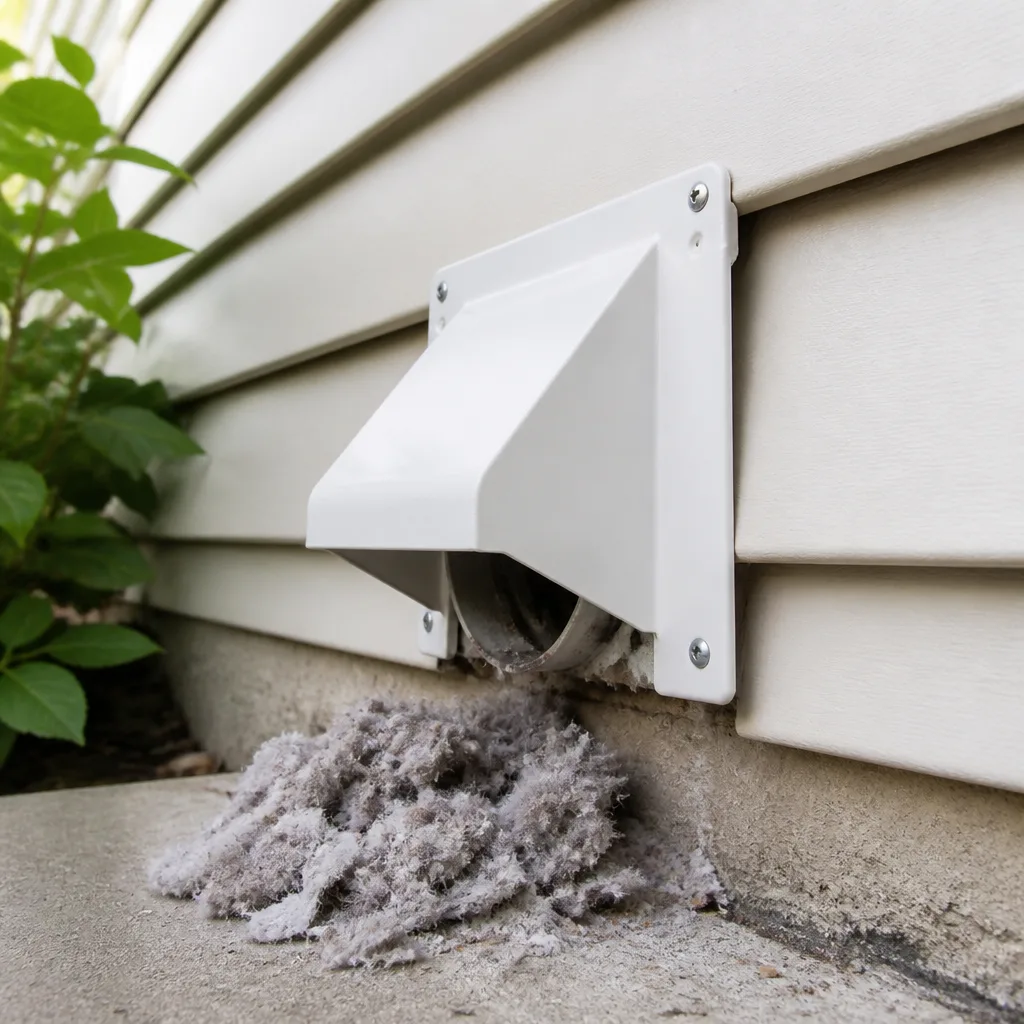
Dryer vents are a different schedule entirely. Lint builds up fast and it’s a fire risk regardless of season. A good habit is to check the exterior vent flap a few times a year and look for the slower drying times that signal a clog. dryer vent cleaning should happen at least once a year for most households and more often for a busy family. In a house that also has air conditioning equipment working hard, this is one thing that’s easy to put off and shouldn’t be.
Why the equipment matters
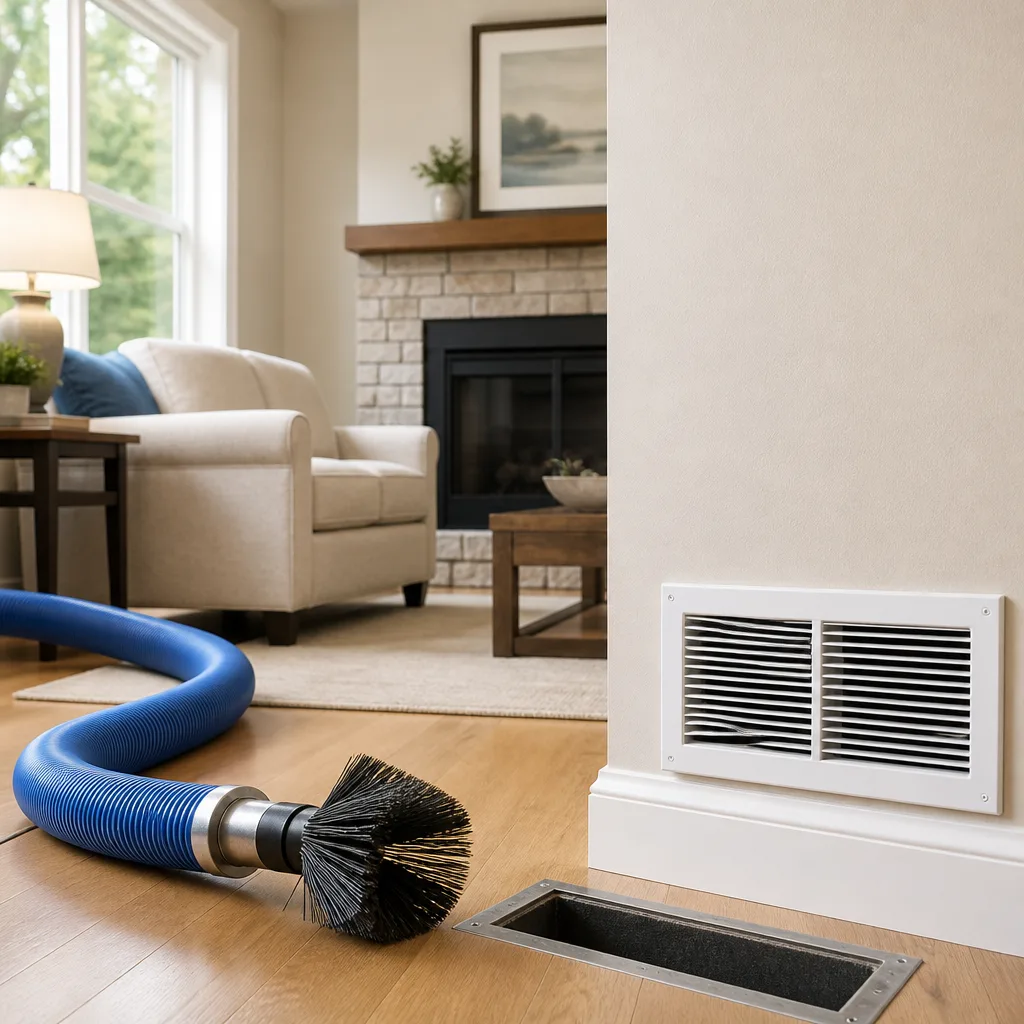
Timing a cleaning well doesn’t help if the cleaning itself is superficial. A shop-vac crew will pull the loose dust off the grille face and call it done. Professional-grade equipment from Rotobrush and Nikro is built to agitate and extract debris along the length of each duct run, not just at the opening. That difference shows up in what you can see with a camera inside the duct after the job is finished.
Common Mistakes to Avoid
- Waiting for a smell. By the time dust smells, the buildup has been there for a while. White Rock’s spring pollen peak loads filters faster than that, so schedule filter checks by the calendar instead.
- Assuming a bigger MERV filter is always better. A MERV-13 in a system designed for MERV-8 creates static pressure problems and shortens blower life. Match the filter to what the air handler can handle.
- Skipping duct repair when ducts are leaking. Cleaning a system with failed joints just means the same attic dust comes back in. Cleaning without sealing leaves the root cause in place.
- Ignoring attic duct conditions in summer. A duct that has lost its seal in July is leaking cooled air into the attic all season. A visual check before summer beats discovering the problem in October.
- Treating dryer vent cleaning as optional. Lint buildup is a fire risk that doesn’t care about season. Check the exterior flap and recognize slow drying as a warning sign.
- Ignoring combustion odors. A faint exhaust smell when the furnace runs is a reason to call for an inspection of the heat exchanger, not a cleaning. Treat it as a safety question.
- Cleaning once every few years. White Rock’s pollen and renovation seasons push debris into the system faster than the national average, so “every few years” usually means you’re behind.
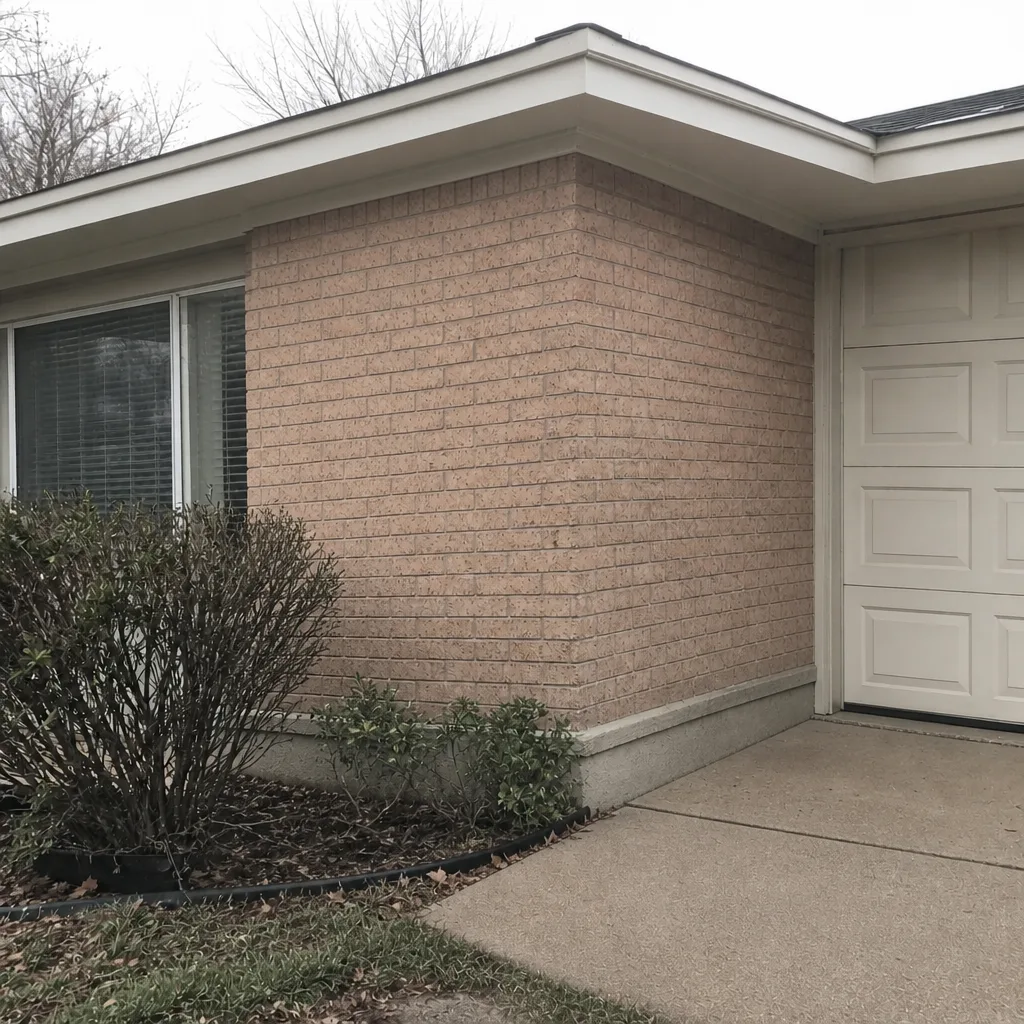
See the difference
 Before
 After
 Before
 After
 Before
 After
When to Call a Professional
Some work earns a call faster than others. If you notice visible dust on the return grille face within days of a filter change, that’s a sign debris is bypassing the filter and moving into the system. Uneven room temperatures, especially a single room that lags every summer, usually point to a supply duct issue that needs sealing rather than a full cleaning. A musty or dusty smell that returns quickly after a cleaning means the source wasn’t fully addressed and is worth a follow-up look. If anyone in the house has allergies that worsen during spring pollen peaks, a professional cleaning before the season makes a measurable difference. Renovation dust warrants a call within weeks of the project wrapping up. Air Duct Cleaning White Rock offers free estimates in White Rock, covering air duct cleaning, dryer vent cleaning, HVAC cleaning, air quality and sanitizing, and duct repair and sealing. Call (855) 337-2035. We answer 24/7. Fast dispatch from 7am to 7pm, Sunday through Friday.
Frequently Asked Questions
Once a year is the typical schedule for a White Rock home, timed to late summer or early fall. Households with allergy concerns, pets, or a recent renovation often benefit from two cleanings: one in spring after pollen peaks and one in fall after the renovation dust settles. Homes with no pets, no renovations, and no allergy concerns can stretch to every two years if filters are changed on schedule.
Yes, primarily because it removes the pollen that builds up at return grilles and inside ducts during the March peak. Cedar and oak pollen are fine and sticky, and they settle into ducts even with a good filter in place. Cleaning after the peak clears the accumulated load, and a higher-MERV filter during the peak keeps more pollen out of the system in the first place.
Late summer into early fall, right after the cooling season ends. That timing clears a full summer of attic dust and pollen residue, then lets the heating system start the fall with a clean interior. Spring is the second-best window, especially for allergy households, but it doesn’t cover the summer load that arrives after March.
It can, if the filter is denser than the air handler is designed to push air through. A MERV-11 to MERV-13 filter catches more pollen than a basic unit, but the added resistance puts more load on the blower. Check what your system can handle before you upgrade, and change the filter more often during spring when the load is heaviest.
A dusty or musty smell that lingers through the day usually points to duct debris. An exhaust-like smell that shows up only when the heat is running, or that burns slightly at the nose, is a combustion concern and needs the heat exchanger inspected before the system runs again. Err on the side of shutting the system down and calling for service.
Dryer vent cleaning is separate from duct cleaning, but it belongs on the same annual plan. Lint builds up regardless of season, and slow drying times are the earliest warning. Yearly cleaning is a reasonable baseline, with a check on the exterior flap a few times a year as a simple habit.
The Bottom Line
Duct care in White Rock works best when it’s built around the seasons. Spring pollen loads filters fast, summer attic heat stresses flex duct and releases particles into the airstream, fall renovations coat ducts in drywall dust, and winter brings combustion appliances back to life and puts the air handler back to work. A single professional cleaning scheduled in late summer or early fall covers most of those problems, and spring cleaning is the second visit that makes the biggest difference for allergy households. Filters, dryer vents, and combustion safety checks round out the year. Match the timing to your house, keep an eye on the return grilles, and call when something doesn’t look right. Professional equipment from Rotobrush and Nikro does the work a shop vac can’t, and our technicians have up to 12 years of experience to draw on.
Call Air Duct Cleaning White Rock at (855) 337-2035 for a free estimate. We answer 24/7. Fast dispatch from 7am to 7pm, Sunday through Friday.
Written by the team at Air Duct Cleaning White Rock.