
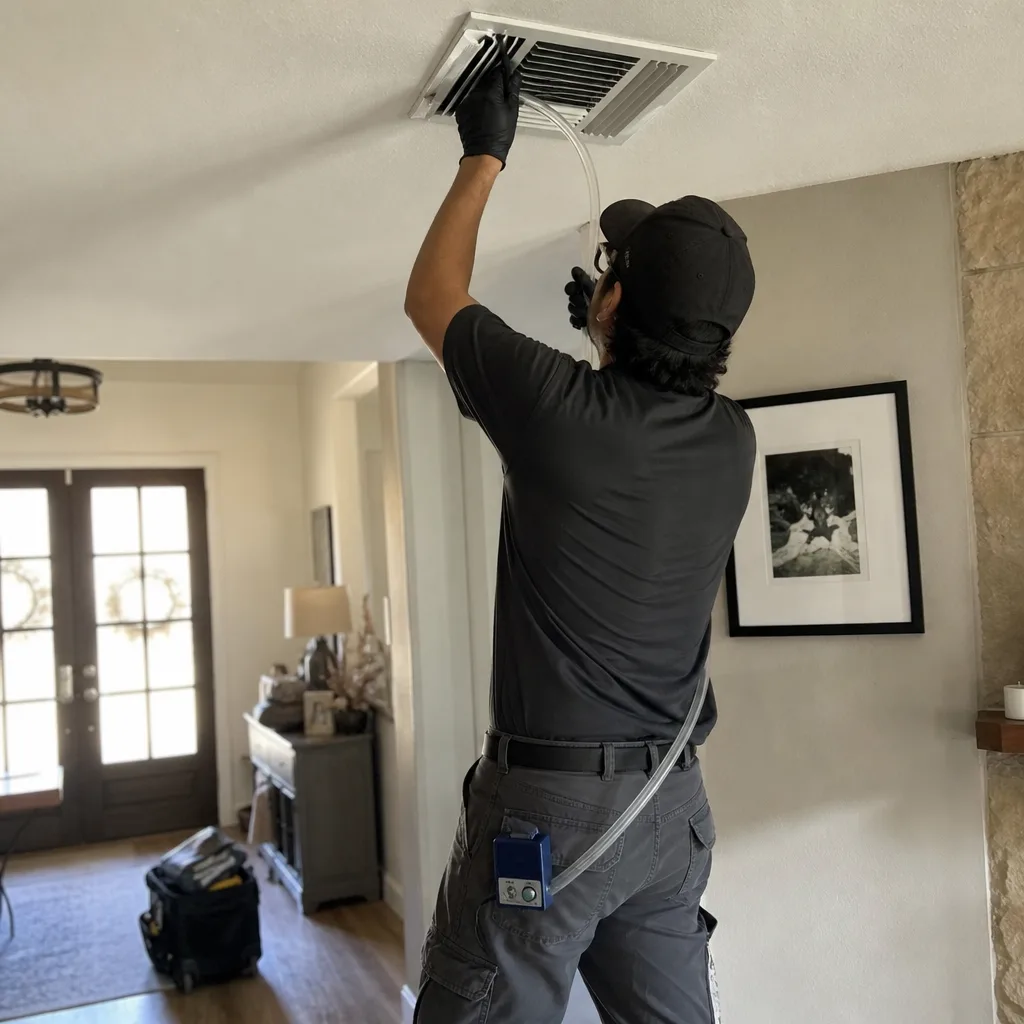
Last updated November 23, 2026
 Whole-home duct cleaning
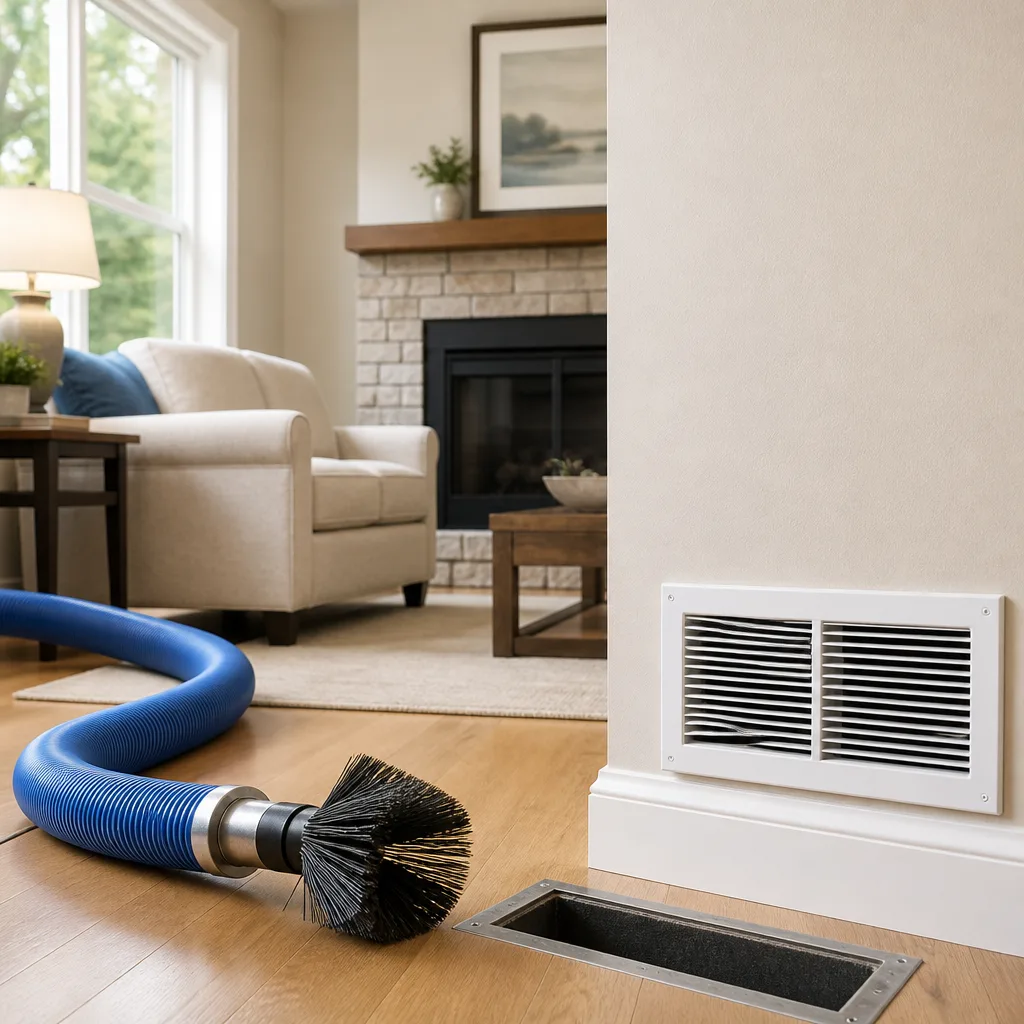
 Dryer vent cleaning
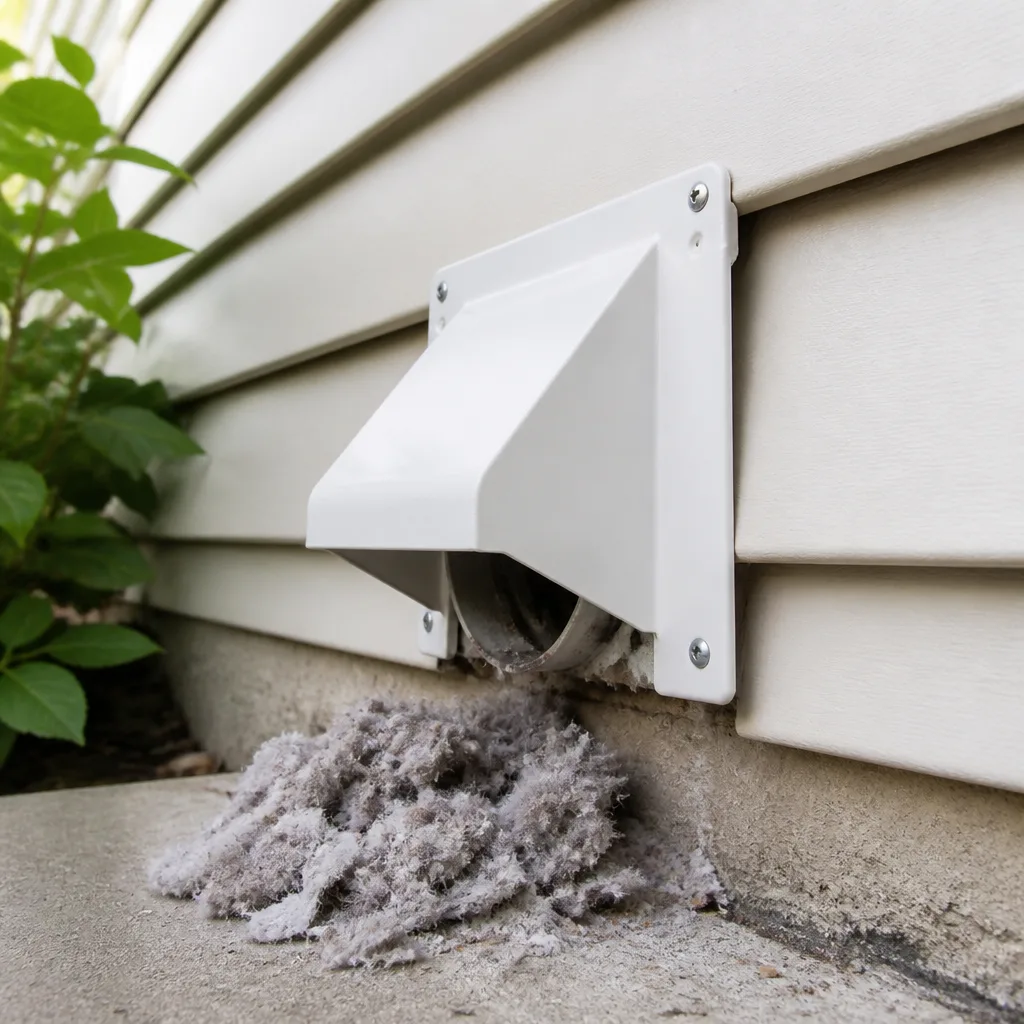
 Camera inspection
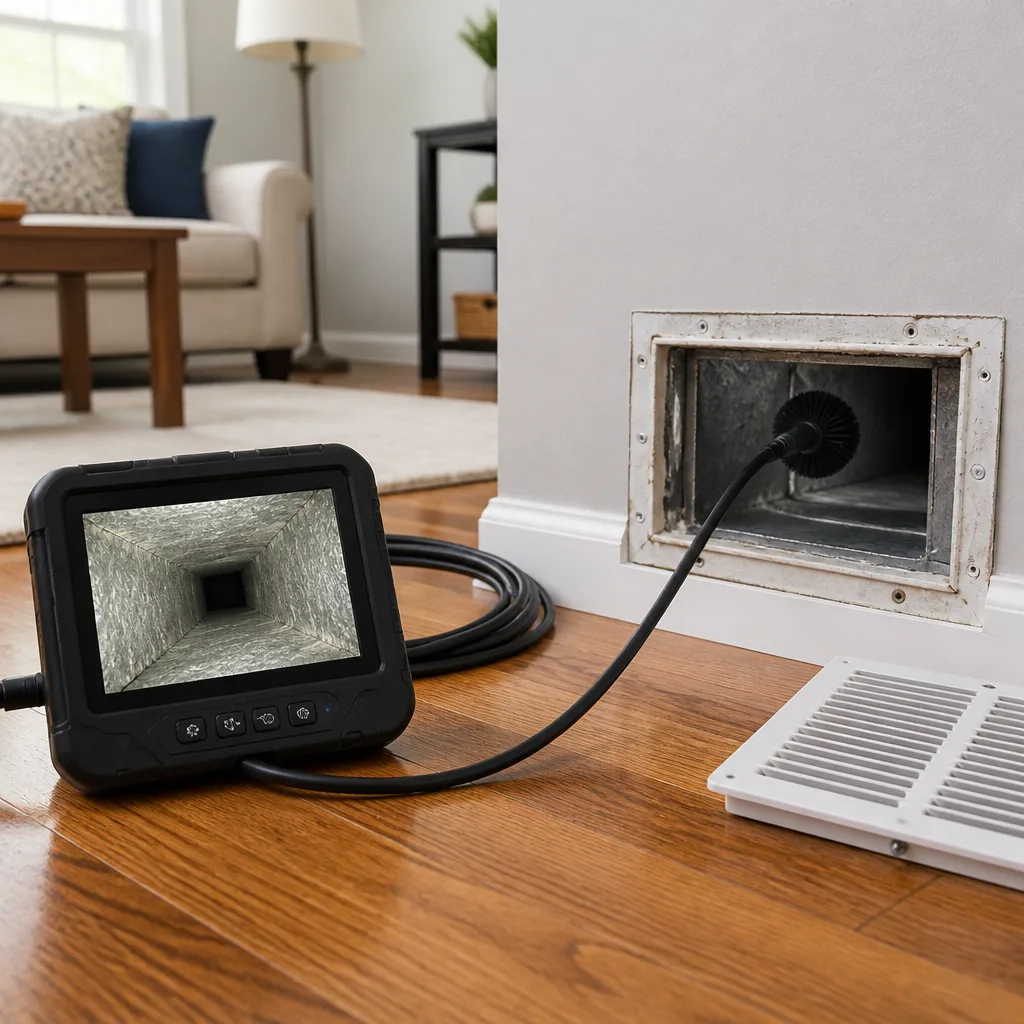
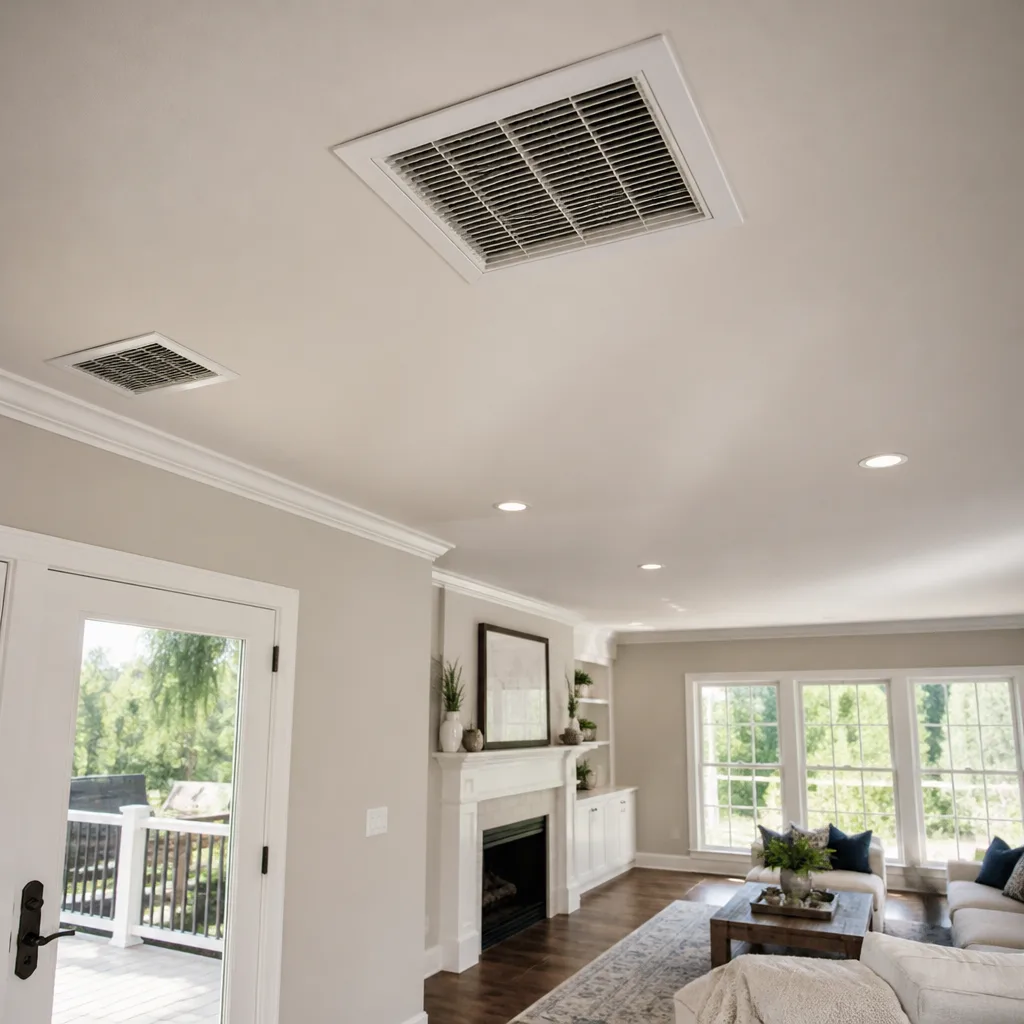 Sanitizing & deodorizing
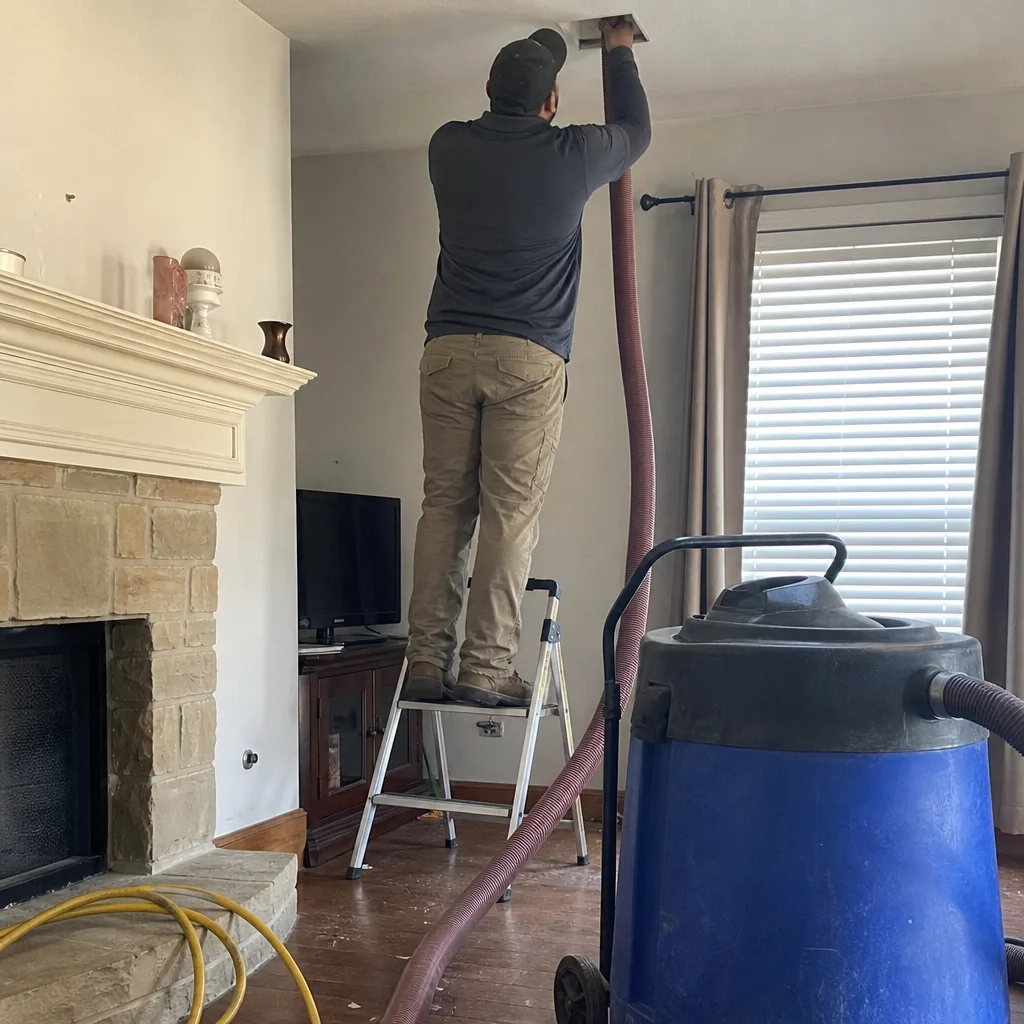
Whole-system duct and dryer vent check with before-and-after photos - you see exactly what came out of your vents
That "$99 whole-house special" is a bait ad - the real number appears once they are in your hallway, or the "clean" is a shop-vac at the register. We photograph the inside of your ducts before and after instead.
Air Duct Cleaning Emergency Preparedness Guide for White Rock Homes
Most White Rock homeowners treat the HVAC system as the last thing to worry about after an emergency. In truth, it’s the first. After a house fire (even a contained kitchen fire), turning the air handler back on can push smoke particulates and combustion byproducts through every room within minutes of startup. After a flood or severe storm rolls through North Texas, ducts routed low or through a crawlspace can harbor moisture that feeds microbial growth within 48 to 72 hours. And during a regional wildfire smoke event, fine particulate at 2.5 microns slips into the duct network even with the windows shut. This guide covers the post-event protocols that protect occupant health, walk through what insurance adjusters need, and show you how to build a pre-event record for your White Rock home.
Quick Answer
After any fire, flood, or smoke event in White Rock, keep the HVAC system off until the duct system is inspected by a qualified professional. Post-event duct cleaning typically requires more than a surface vacuum: contaminated insulation and flexible duct sections often need replacement, and proper post-clean sanitizing with Guardsman-grade products is what stops odor and microbial regrowth. Document the condition with photos before any cleaning starts so your insurer has a baseline.
Styles & brands we work with
- Whole-home duct cleaning
- Dryer vent cleaning
- Camera inspection
- Sanitizing & deodorizing
Table of Contents
- Post-Fire Protocol: Why the HVAC Stays Off Until Inspected
- Post-Flood Response for North Texas Storm Events
- Wildfire Smoke Events and Fine Particulate in White Rock
- System Documentation for Insurance Claims
- Pre-Event Preparedness: What to Map and Keep
- Cleaning vs. Replacement: How the Decision Is Made
- Common Mistakes to Avoid
- When to Call a Professional
Post-Fire Protocol: Why the HVAC Stays Off Until Inspected
The instinct after a kitchen fire is to open windows and run the air conditioning to clear the smell. That’s the wrong move. Smoke residue from a fire contains combustion byproducts, soot particles, and volatile organic compounds that deposit on duct walls, then get pulled back into the airstream every time the system cycles. Once that contamination is distributed across the supply side, every room in your White Rock home carries a fresh layer of odor molecules for weeks.
What smoke residue looks like depends on the material it lands on. Inside galvanized sheet metal, soot tends to cling to the seams, elbows, and any oil film left by manufacturing or previous service. It’s visible as a dark film and can be mechanically removed with the right brushes and negative-pressure containment. Inside flexible duct, the story is different. Flex duct is a corrugated plastic inner core wrapped in insulation. Soot gets trapped in the corrugations and penetrates the insulation layer. That kind of contamination is not reliably cleanable; the standard recommendation is section replacement.
Why Odor Neutralization Is More Than Fogging
Fogging a duct system with a scented product masks odor for a few days, then it returns. Real neutralization requires three steps in order:
- Mechanical cleaning first. No sanitizer works on top of soot. The source has to come off, using Rotobrush or Nikro equipment built for duct interiors.
- Surface-appropriate sanitizing. Not every product is safe on every duct lining. A Guardsman-grade sanitizer is chosen for the material, not just for the smell.
- Sealing and verifying. Any gap in the ductwork is a pathway for new contamination. Sealing closes it. A final visual pass with before-and-after photos confirms the work.
The same post-fire concern applies to ductwork connected to any appliance. If a fire reaches the kitchen, the airborne grease aerosol that travels through the return ducts creates a film that regular cleaning doesn’t remove. Ask specifically for grease-film removal during the inspection. For a full breakdown of the standard cleaning process, see air duct cleaning.
Post-Flood Response for North Texas Storm Events
North Texas storm seasons bring heavy rain in short windows. When water rises under a house, through a slab penetration, or into an attached garage, the duct system often sits in the water’s path. Ducts routed low in a crawlspace, or those with any low-lying branch, are the most vulnerable. The sign that matters is not visible water in the duct: it’s moisture in the insulation wrapping it. Wet fiberglass and wet flex duct insulation become a growth medium, and that medium stays wet long after the visible water is gone.
The 48 to 72 hour window is the decision pivot. Microbial growth begins in that range once moisture is present. The choice between cleaning and replacement depends on three factors:
- Is the insulation wet? Wet insulation in flex duct means replacement of that section. No amount of cleaning dries fiberglass back to a safe state.
- Is the interior of the metal duct wet? Galvanized metal can often be cleaned, sanitized, and dried, but only if drying happens before microbial growth sets in.
- Is there visible growth? Any sign of growth inside the ductwork means the contaminated section goes.
Schedule the inspection as soon as the water recedes. Waiting for the ducts to “dry out on their own” is what turns a cleanable section into a replacement job. In our experience, the 72-hour mark separates the two outcomes more reliably than any other factor. For a full review of HVAC-side contamination, see HVAC cleaning.
What to Do After a Flood: A Short Checklist
- Turn off the HVAC system at the thermostat and at the breaker.
- Photograph every visible duct, register, and air handler before touching anything.
- Call your insurer and open a claim before any cleaning is booked.
- Book a professional inspection inside the 48 to 72 hour window.
- Replace the filter only after cleaning; a filter installed before the ducts are clean will be saturated in a day.
Wildfire Smoke Events and Fine Particulate in White Rock
Regional smoke from distant wildfires has become a regular summer and fall visitor in North Texas. When air quality advisories are issued, White Rock homes without upgraded filtration are breathing 2.5-micron particulate through the return. Windows closed does not mean smoke stays out; it means the HVAC system is now the main path.
Fine particulate at 2.5 microns is small enough to bypass standard fiberglass filters. A basic 1-inch filter in a typical White Rock home captures some of it, but not enough to protect indoor air during a multi-day smoke event. What matters during an advisory:
- Filter rating. A MERV 11 or MERV 13 media filter gives meaningfully better 2.5-micron capture than the default 1-inch filter. Check your air handler’s rated maximum before upgrading.
- Air handler fit. A filter that doesn’t seat properly lets air bypass the media. The gap matters as much as the rating.
- Sealed cabinet. If the filter slot or air handler cabinet is unsealed, particulate gets in behind the filter. This is a common finding during White Rock inspections.
For long-term protection, media cabinets from Honeywell or Aprilaire hold a higher-MERV filter without adding the airflow restriction a 1-inch filter would cause. If a smoke advisory has already pushed particulate into the system, cleaning is the reset step. Our Air Duct Cleaning White Rock service handles the post-smoke-event cleaning and filter upgrade as one visit.
System Documentation for Insurance Claims
Adjusters process ductwork claims on paperwork, not impressions. If you walk them through a “bad smell” with no documentation, the claim gets negotiated down. If you walk them through before-and-after photos of each duct run, the material classification (flex vs. sheet metal), and a written scope of work, the claim moves faster and often covers more of the work.
What a qualified duct cleaning contractor in White Rock should be able to provide after a contamination event:
- Pre-cleaning photographs of every accessible duct run, register, and the air handler interior.
- Post-cleaning photographs from the same angles.
- A written report listing each area treated, the method used, and the products applied (for example, the specific Guardsman-grade sanitizer).
- Any sections flagged for replacement, with a reason (wet insulation, microbial growth, brittle flex).
- A note of any gaps or disconnects found during inspection, since sealing is often the cheapest way to close the contamination pathway.
The adjuster needs to see that the work was done according to a standard, not improvised. Ask the contractor for the report structure before the job starts; any company that cannot describe the scope in writing before arriving is not the right one for an insurance-funded job.
Pre-Event Preparedness: What to Map and Keep
Preparedness is cheaper than recovery. Before an emergency happens, take a couple of hours to build a record of your duct system. In an insurance claim, this record is what separates “we can prove the ducts were in good condition” from “we’re negotiating from zero.”
Map Your System
- Locate the air handler and photograph its data plate (make, model, serial, filter size).
- Locate every return register and supply register, and photograph each one with its cover on and off.
- Locate every access panel on the ductwork. These are the points a technician uses to inspect and clean.
- Draw a rough sketch of the duct layout, labeling each branch. Keep it with your homeowner documents.
- Record the filter brand, MERV rating, and the date you last replaced it.
Retain the Documents
Keep a folder (physical or digital) with the sketch, the photographs, filter receipts, and any prior service reports. If you have had the ducts cleaned before, keep that report; it establishes a baseline condition that post-event photos can be compared against. White Rock has plenty of homes with original ductwork from the last several decades, and a missing baseline makes it harder to demonstrate that a flood or fire changed anything. For reference on what a baseline cleaning record looks like, see dryer vent cleaning and the reports we hand off after that service.
Cleaning vs. Replacement: How the Decision Is Made
Not every contamination event requires new ducts, and not every event can be cleaned back to standard. The judgment is made on three criteria, in this order.
1. Material
Galvanized sheet metal ductwork, which is most of the rigid duct in White Rock homes, is usually cleanable unless it has been wet long enough for microbial growth to colonize the seams. Flexible duct is generally replaceable once contaminated by smoke, water, or growth; the corrugated inner core cannot be cleaned reliably to bare-surface standard.
2. Moisture
Moisture in the insulation layer is the leading reason a section is replaced rather than cleaned. Even if the interior looks fine, wet fiberglass around a duct run is a growth medium and has to come out. A qualified contractor inspects the duct exterior as carefully as the interior for exactly this reason.
3. Accessibility
Sections that can’t be reached through an access panel can still be cleaned with the right equipment, but the scope and cost adjust. In older White Rock homes, ducts that were added after the original build are sometimes routed in ways that make inspection complicated. A Rotobrush or Nikro system can reach further into a run than a shop-vac setup used by a generalist crew.
The written scope should state clearly which sections are cleaned, which are sealed, and which are scheduled for replacement. That way the decision is transparent before any work starts.
Common Mistakes to Avoid
- Turning the HVAC back on to “clear the smell.” That single move distributes contamination across every supply register in the house. Keep the system off until ducts are inspected.
- Fogging the ducts without cleaning. A scented fog masks odor for days and then the smell returns worse. Cleaning has to come first.
- Hiring a low-bid crew with a shop vac. Post-event contamination needs Rotobrush or Nikro equipment built for duct interiors, not a generalist vacuum. Cheap quotes on a post-fire job are almost always a sign the scope is thin.
- Installing a MERV 13 filter without checking the air handler’s rated maximum. A filter that’s too restrictive can strain the blower. Check the rating before upgrading.
- Skipping the pre-cleaning photographs. Without a before-photo, your insurer has no baseline. Document everything before the crew arrives.
- Waiting past 72 hours after a flood. That window is when cleanable becomes replaceable. Book the inspection early.
- Ignoring the dryer vent. Post-event conditions expose existing lint buildup in the dryer vent, and that’s a fire risk that compounds with the event itself.
See the difference
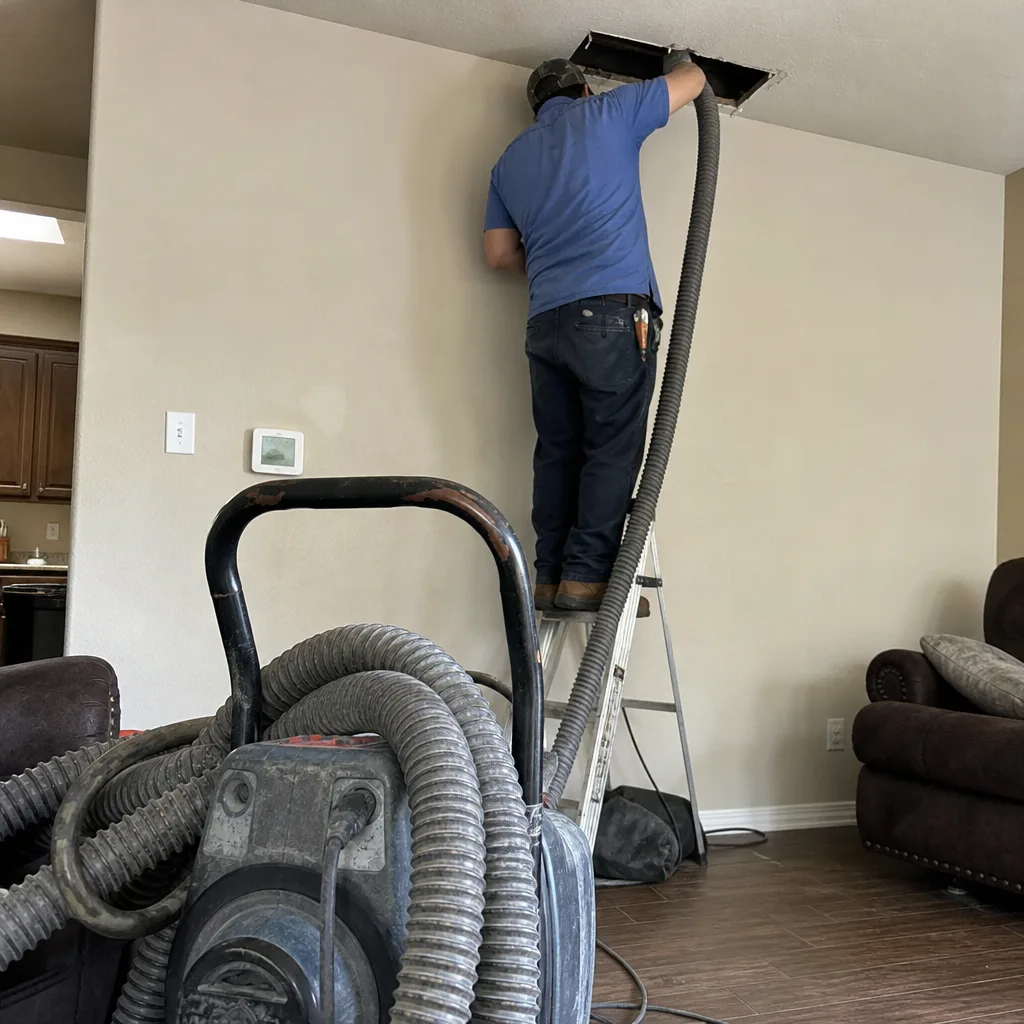 Before
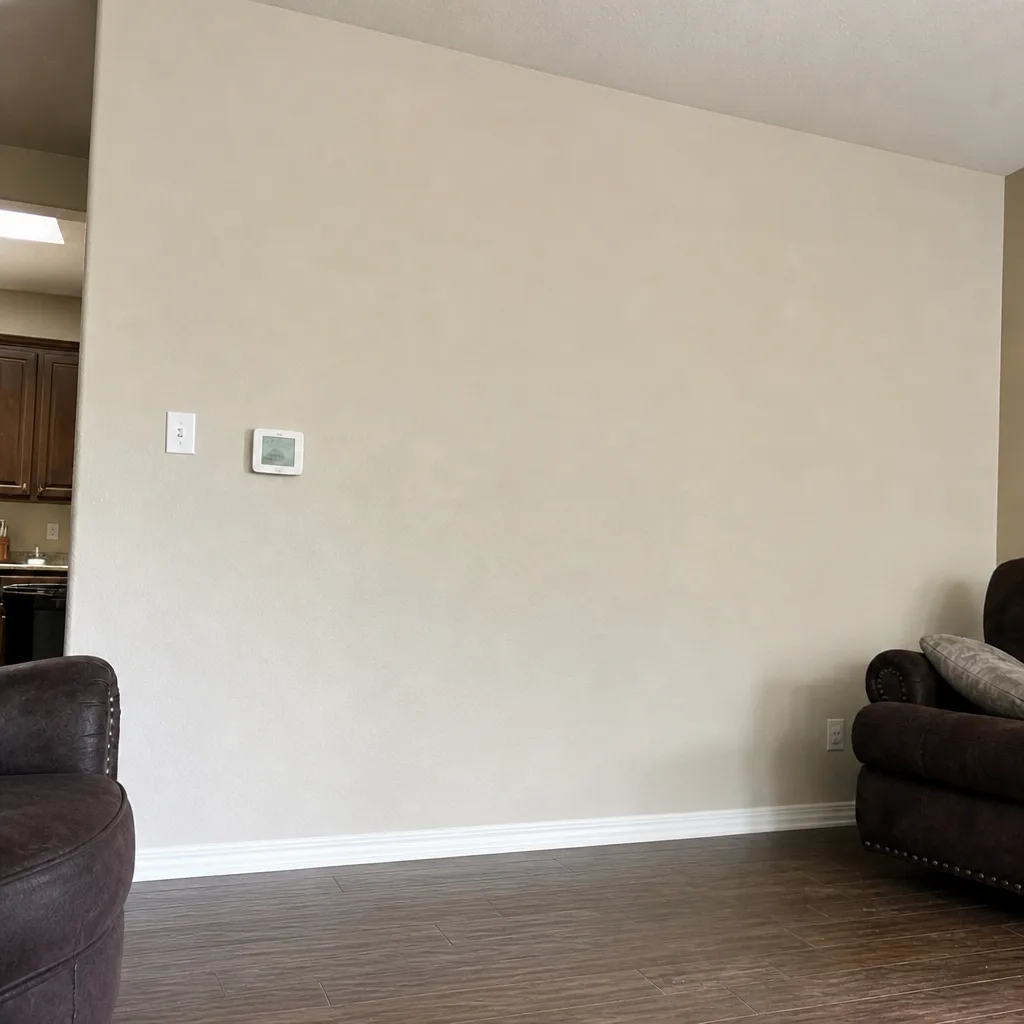 After
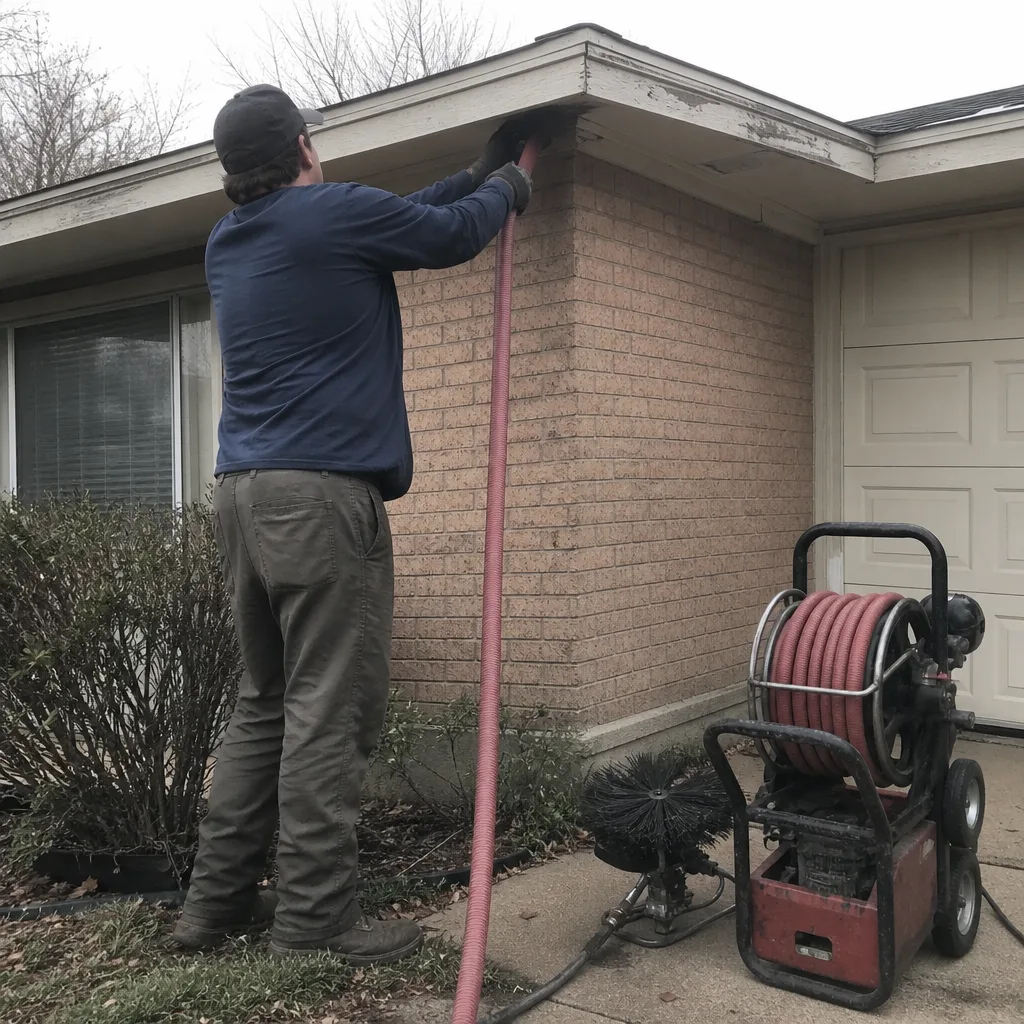 Before
 After
 Before
 After
When to Call a Professional
Some post-event conditions are homeowner-checkable. Others require a trained technician with the right equipment and the right documentation. Call a professional if you have had any fire inside the home (even a contained kitchen fire), if standing water reached the crawlspace or any low duct run, if a wildfire smoke advisory lasted more than a couple of days with your system running, if you see visible debris at a supply register, or if the system’s airflow has dropped noticeably since the event. On the pre-event side, call us to inspect and clean on a normal schedule if your ducts haven’t been touched in years. Air Duct Cleaning White Rock offers free estimates in White Rock – call (855) 337-2035 to schedule an inspection before or after an event. We answer 24/7, and fast dispatch from 7am to 7pm, Sunday through Friday.
Frequently Asked Questions
No. Even a contained kitchen fire deposits combustion byproducts and grease aerosol in the return ducts, and running the system redistributes that contamination through the entire house. Keep the HVAC off until a qualified technician inspects the duct system. Call (855) 337-2035 for a free estimate on inspection and cleaning.
Microbial growth in wet duct insulation can begin within 48 to 72 hours. The faster the ductwork is inspected after the water recedes, the more likely the section can be cleaned instead of replaced. Call (855) 337-2035 to book an inspection inside that window.
Most policies cover duct contamination that results from a covered peril (fire, water damage from a burst pipe, storm intrusion), but the claim has to be documented. Ask for before-and-after photographs, a written scope, and a product list from the contractor. Estimates from Air Duct Cleaning White Rock are free – call (855) 337-2035 to start the documentation process.
Usually yes, provided your air handler is rated for it. MERV 13 captures more 2.5-micron particulate than the standard 1-inch filter, but a filter that exceeds the air handler’s rated maximum can strain the blower. Our technicians have up to 12 years of experience and can verify the rating before recommending an upgrade. Call (855) 337-2035 for an exact quote – estimates are free.
Access panels can be located by tracing the supply and return runs from the air handler; a technician can also cut and reseal a new access point if needed. If you don’t have documentation from a prior service, book an inspection to map the system. Call (855) 337-2035 for a free estimate.
Yes, if it’s done in the right order. Odor removal requires mechanical cleaning to remove the deposited carbon and soot, followed by surface-appropriate sanitizing with a Guardsman-grade product, followed by sealing any gaps that would let new contamination in. Fogging without cleaning will not solve it. Call (855) 337-2035 for an exact answer on your system – estimates are free.
The Bottom Line
Duct systems are overlooked in home emergency planning, but they’re the primary path for smoke, moisture, and particulate to reach every room in the house. Keep the system off after a fire until inspected. Book the flood inspection inside 48 to 72 hours. Upgrade your filter before the next smoke advisory, not during it. Document your system now so you have a baseline for the claim. And in every case, the cleanup goes cleaner than the machine that looks the part: Rotobrush and Nikro equipment, a written scope, before-and-after photographs, and a professional-grade sanitizer applied after the cleaning, not in place of it.
Call (855) 337-2035 for a free estimate. We answer 24/7, with fast dispatch from 7am to 7pm, Sunday through Friday.
Written by the team at Air Duct Cleaning White Rock.