
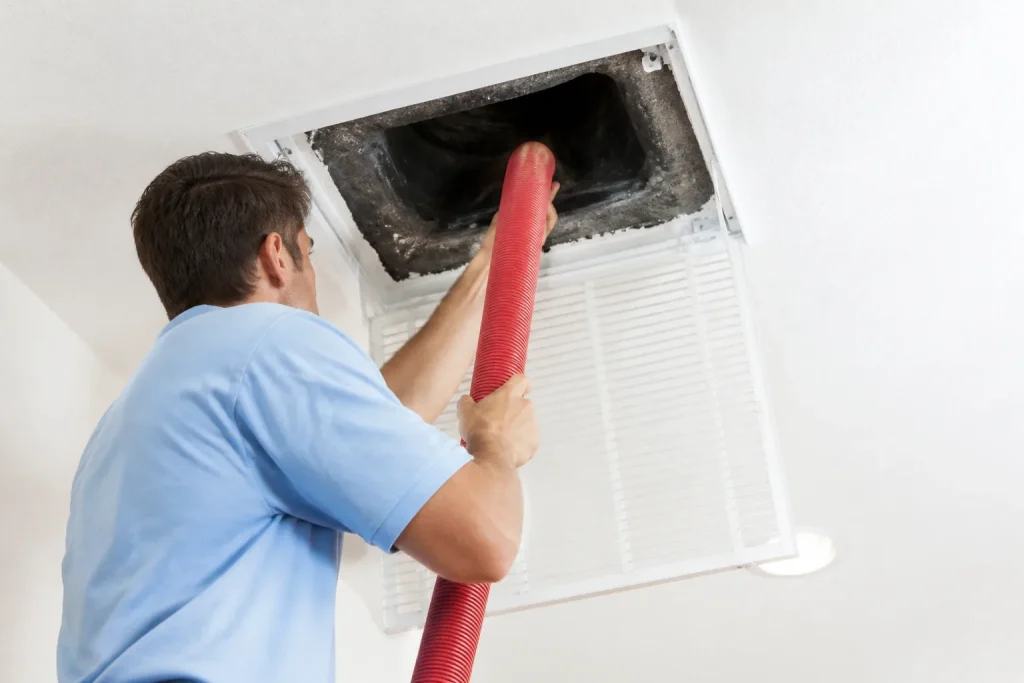
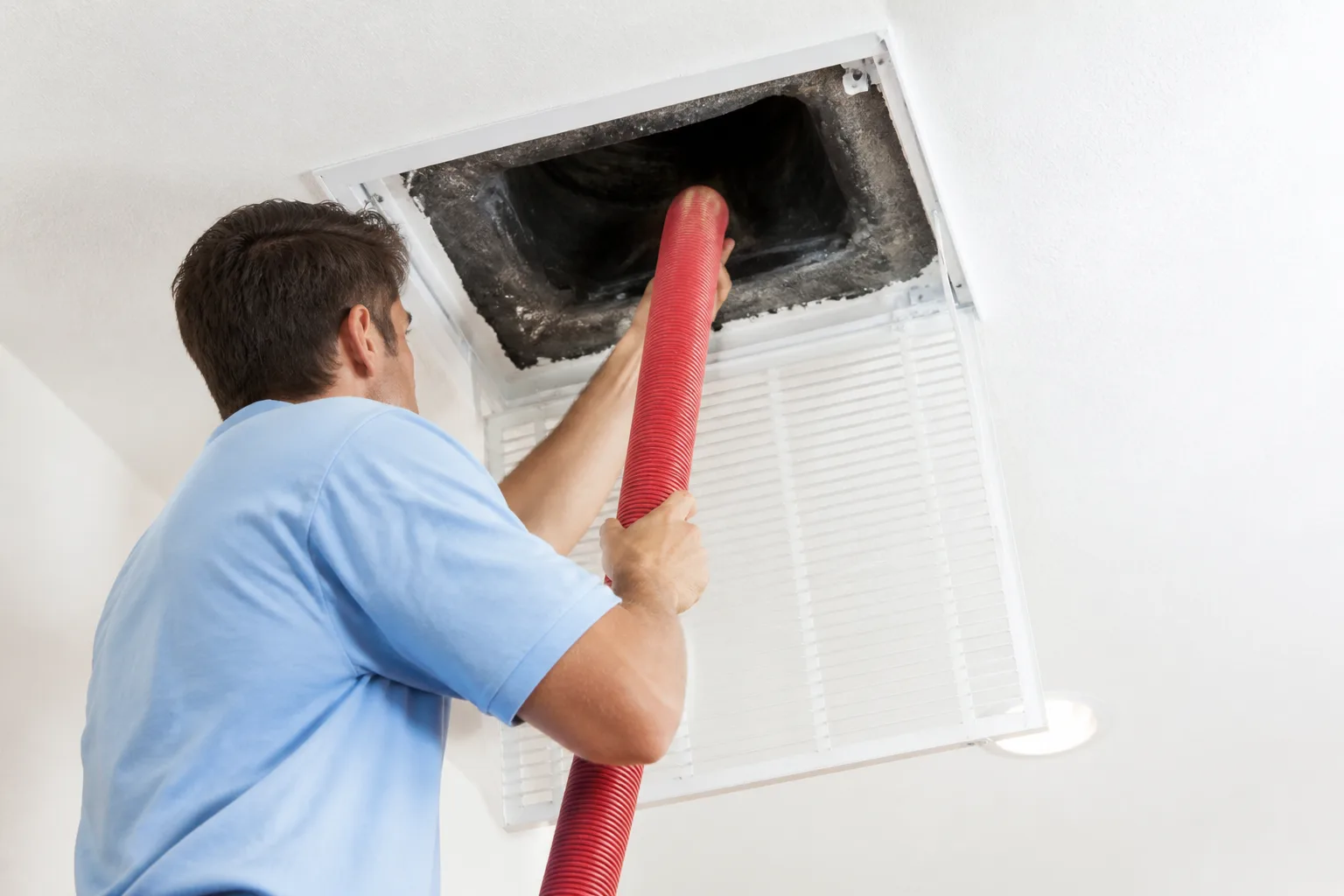
Top Signs You Need Air Duct Cleaning Service – Don’t Ignore These
Most homeowners judge their ducts by what they can see: a dusty register, a grey smear on the ceiling vent. That’s backwards. Uneven room temperatures and climbing utility bills tell you far more about duct contamination than a visible dust film ever will, because performance loss is measurable and dust is just cosmetic. If your system is running longer, pushing less air, or heating some rooms while ignoring others, the ducts deserve a closer look before you spend money on anything else.
If you’d rather have someone qualified take a look than guess from the hallway, call (855) 337-2035.
Start With Performance, Not Appearance
The most reliable signs of dirty ducts are the ones you feel in your wallet and across the house. A system that used to heat evenly now leaves the back bedroom cold while the living room cooks. The blower runs longer to reach the setpoint. Static pressure inside the plenum climbs because debris has narrowed the path. None of that shows up on a vent cover, which is why so many homeowners miss it.
Watch for these in a White Rock home:
- Unbalanced airflow between rooms. One register blasts, another barely whispers, and it wasn’t always that way.
- Longer run cycles. Your HVAC works harder to hit the same temperature it used to reach easily.
- Static pressure creep. A technician can measure this with a manometer. Rising pressure across the system is one of the clearest restriction indicators we’ve seen.
- A dusty film on furniture that returns within days of cleaning. The system is redistributing what it pulls in.
- Higher energy bills without a rate change. Contamination forces the equipment to compensate.
These are system signals. They matter more than a dirty vent cover, and they tell you the ducts are restricting airflow rather than just looking tired. Proper diagnostic work from Rotobrush and Nikro equipment catches them before a homeowner wastes money on guesswork.
Contamination or System Failure? How to Tell the Difference
Here’s what the standard online list gets wrong: dirty ducts and broken ducts produce overlapping symptoms, and cleaning the wrong one wastes your money. A cleaning candidate has surface debris sitting on intact ductwork. A repair candidate has disconnected joints, crushed flex runs, or seams that leak air into the attic. Cleaning a failing system just re-dirties it within weeks.
Use this decision tree:
- Does the ductwork hold its shape and stay connected? If a joint has separated or a run is crushed, that’s a repair first.
- Can you see daylight or feel a draft at a seam? Leakage points to sealing, not scrubbing.
- Is the debris sitting loose on intact metal or flex? That’s your cleaning case.
- Is there visible moisture, rust, or biological growth on the interior? That’s a sanitizing and repair conversation, not a simple vacuum.
In White Rock, the overlap shows up constantly because the region’s construction activity and post-storm debris infiltration both push contamination into systems that were structurally fine. An honest assessment separates the two before anyone quotes work.
White Rock’s Local Triggers You Probably Haven’t Considered
Some houses get dirtier ductwork because of what’s happening outside and around them, not because of neglect. Three local factors deserve a mention.
- Nearby construction. New builds and renovations across the area generate fine particulate that migrates into return-air intakes. Even homes down the street pick up the dust.
- Post-storm debris. Severe Texas weather pushes grit and airborne material into the envelope. After a big weather event, a lot of White Rock systems pull in material that never existed in them the month before.
- New-home off-gassing. Fresh construction, new cabinets, paint, and carpet release volatile compounds that circulate through the HVAC before the home airs out. A system that pulls this through its ducts keeps redistributing it.
If you’re in a newer White Rock build or within sight of an active construction site, your cleaning trigger might arrive sooner than a homeowner in a mature neighborhood two streets over. That’s a legitimate reason to inspect, not a sales pitch. Sanitizing products like Guardsman-level formulations are worth considering after the mechanical clean, because off-gassing and debris residue don’t always come out with a vacuum alone.
What an Honest Pre-Cleaning Inspection Actually Looks Like
Before anyone recommends cleaning, they should look inside the system. A qualified technician inserts a borescope into the supply and return trunks, photographs what’s there, and reads static pressure and airflow at key points. You should see those images yourself. If someone quotes a full cleaning without opening anything, they’re guessing.
Here’s what a proper inspection confirms:
- Borescope images of interior ductwork in at least two locations, not just the return.
- Airflow readings at the plenum and at a representative sample of registers.
- A clear recommendation – clean, repair and seal, sanitize, or none of the above.
- Before-and-after photos of your own ducts once the work is done, so you can verify the outcome.
Equipment brands matter here. Rotobrush and Nikro systems are engineered for duct interiors and give a technician the ability to reach and record what a shop-vac could never touch. We use both for that reason. Air-quality measurement tools from Aprilaire and Abatement Technologies let a White Rock homeowner see the numbers, not just hear a claim.
Why “Every Three to Five Years” Is a Marketing Number
The rule of thumb you see everywhere online isn’t based on your ducts; it’s based on a schedule that makes selling easier. A home with pets, a recent renovation, or a new build shouldn’t follow the same timeline as a quiet, low-occupancy house. Condition, not calendar, should drive the decision.
Seasonal timing also matters. In White Rock’s mild winters, the heating system runs less than in cold climates, but humid summer operation means cooling coils and supply trunks spend more time wet. That moisture promotes biological growth that a three-year schedule won’t necessarily catch. A condition-based approach looks at four things:
- Visible debris depth inside the trunk, measured rather than eyeballed.
- Airflow performance compared to what the equipment is rated to deliver.
- Recent events like a remodel, a storm, or a move-in.
- Household factors like pets, occupants with allergies, or a smoker in the home.
When to call a pro: if any of those four signals is off, get a real inspection rather than running to the phone every three years on command.
Related Services in White Rock
If the inspection points to something beyond cleaning, we can address the whole system in one visit. Our Air Duct Cleaning White Rock team handles the full scope, and air duct cleaning is often paired with dryer vent cleaning in the same appointment to keep the service visit efficient. If the ducts themselves are the problem – crushed runs, leaking seams, disconnected joints – our repair and sealing work fixes the underlying cause. For the equipment side, HVAC cleaning keeps coils and blower components clear so the whole system runs as designed. One call covers the whole system, which we think is long overdue in this trade.
What happens when you call
- 1
A real person answersNo phone trees – you reach a local pro.
- 2
You get an upfront price rangeHonest numbers before anyone is dispatched.
- 3
A background-checked tech heads outLicensed & insured, dispatched right away.
- 4
You approve before work beginsNothing starts until you say go.
The Bottom Line
Dust on a vent cover is the least useful sign you need duct work. Uneven airflow, longer run cycles, rising static pressure, and a bill that’s climbing without explanation are the real indicators, and they deserve a proper borescope inspection before anyone commits to a recommendation. In White Rock, nearby construction, storm debris, and new-home off-gassing all accelerate contamination beyond what a fixed calendar can predict. Get an honest inspection with photos and measurements, then decide.
If you’re in White Rock and need help, Air Duct Cleaning White Rock offers free estimates – call (855) 337-2035. We answer 24/7. Fast dispatch from 7am to 7pm, Sunday through Friday. Our technicians have up to 12 years of experience, and every job gets one flat price per system agreed before work starts.
Frequently Asked Questions
Uneven airflow between rooms and longer HVAC run cycles are the most reliable signs because they’re measurable, unlike visible dust. If your system works harder to reach the same temperature it used to reach easily, the ducts are a likely cause. Call (855) 337-2035 for a free estimate.
There’s no fixed number of years that fits every home, despite what the “every three to five years” rule suggests. The right interval depends on what’s actually inside your ducts – debris depth, airflow readings, recent construction, pets, or storm exposure. A borescope inspection tells you, and it beats guessing. Call (855) 337-2035 to book one.
Cheap quotes usually skip the inspection, skip the equipment, or price by the vent rather than by the system. A proper job uses professional equipment like Rotobrush or Nikro and includes before-and-after photos of your own ducts so you can verify the work. We quote one flat price per system and agree it before anything starts. Call (855) 337-2035 for an honest estimate.
Repair and seal first if the ductwork is crushed, disconnected, or leaking. Cleaning a failing system just means it re-dirties within weeks. If the ducts are structurally sound and just need debris removal, cleaning and sanitizing come first. An inspection with borescope images tells you which case you’re in. Free estimates at (855) 337-2035.
Written by the team at Air Duct Cleaning White Rock.
Need Air Duct Cleaning Help?
Call Air Duct Cleaning White Rock - the local pro we connect you with is licensed and insured, with free written estimates in White Rock.
(855) 337-2035