
Last updated November 23, 2026
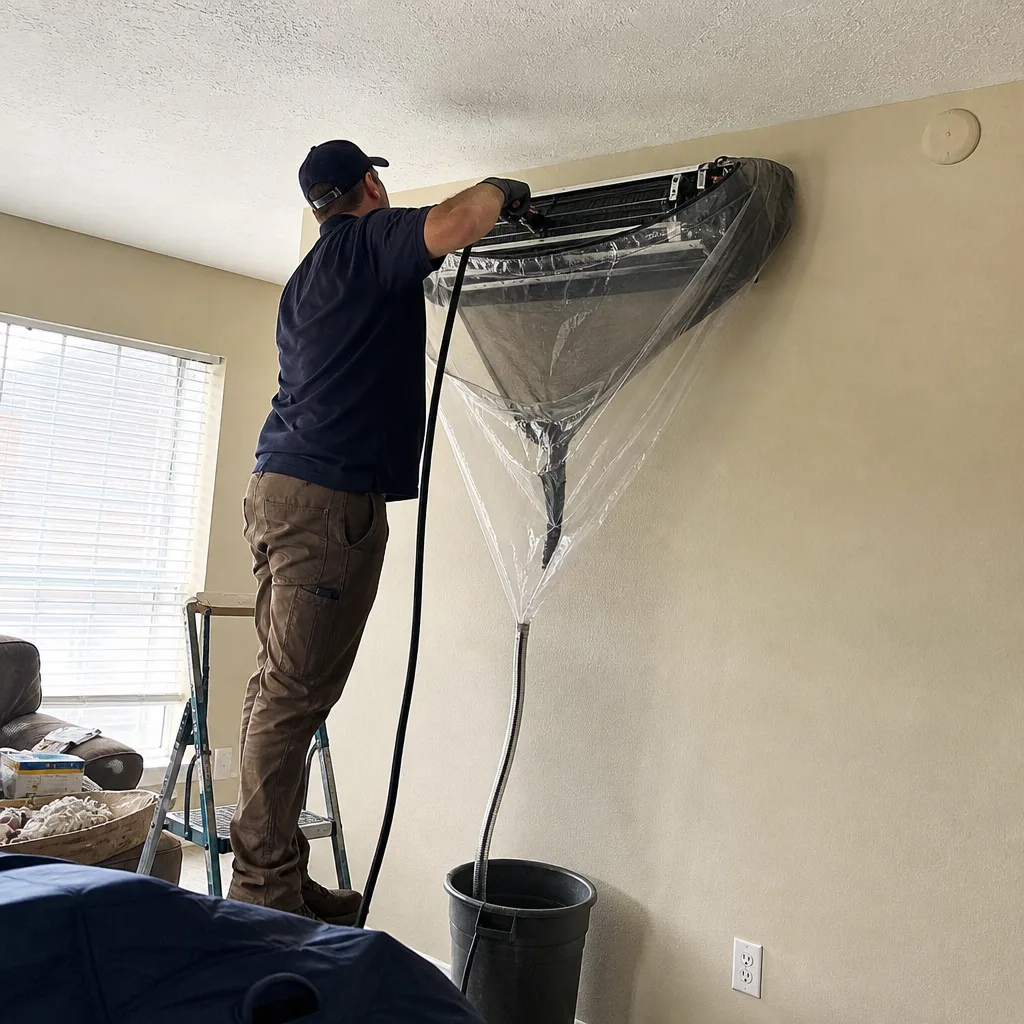
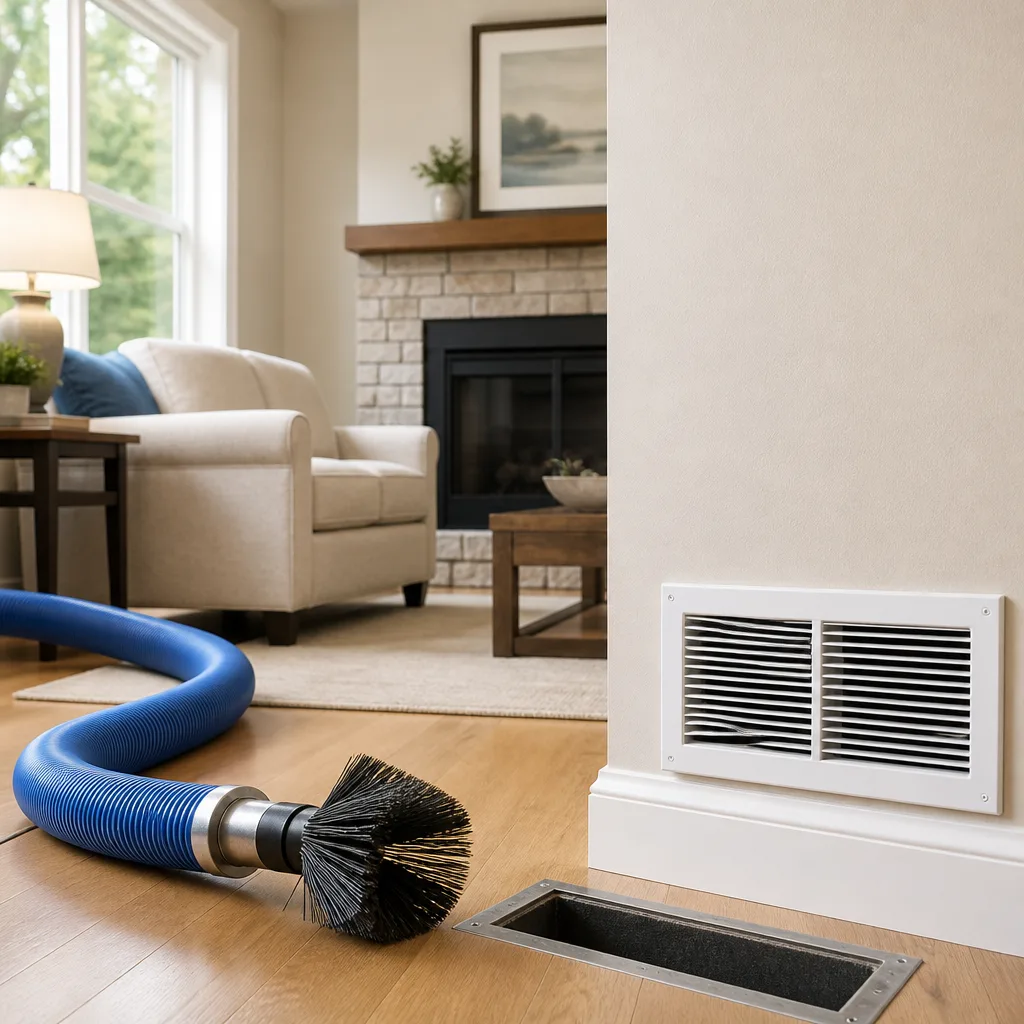 Whole-home duct cleaning
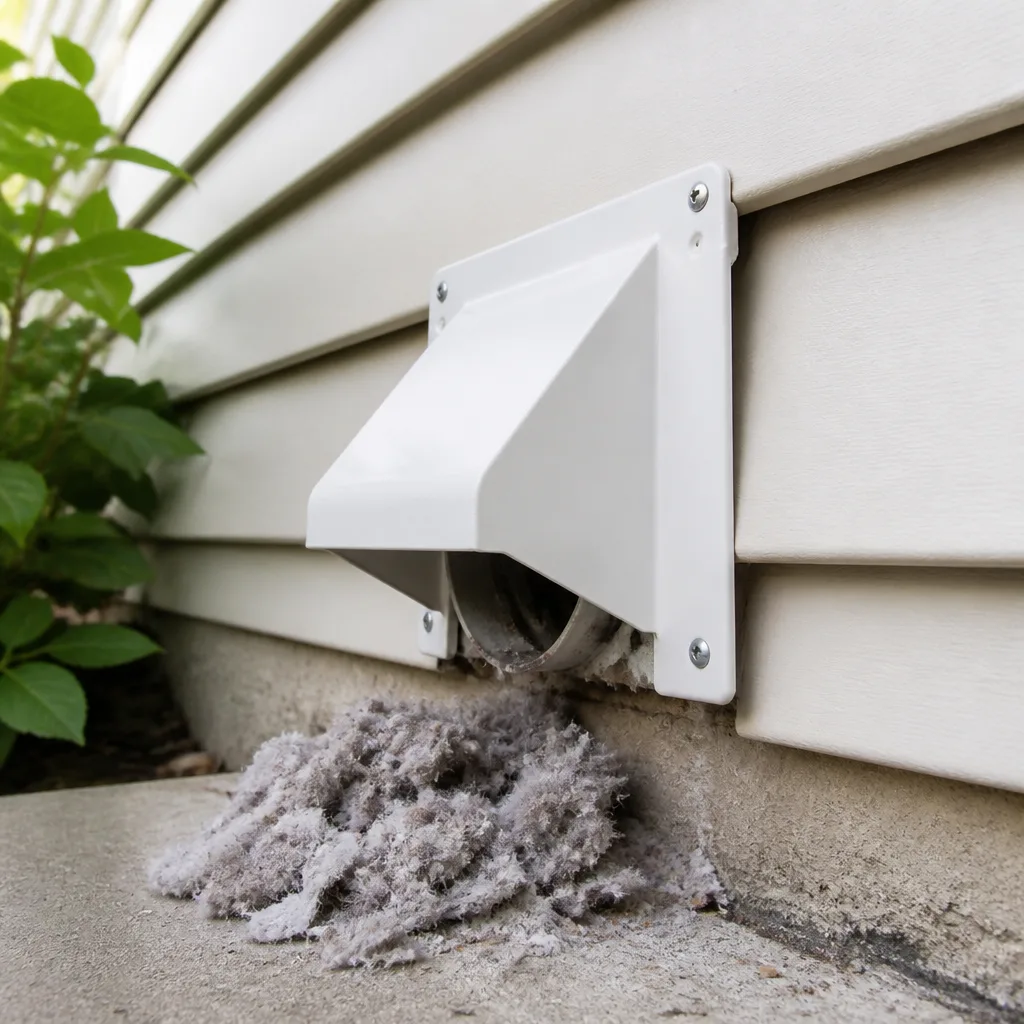 Dryer vent cleaning
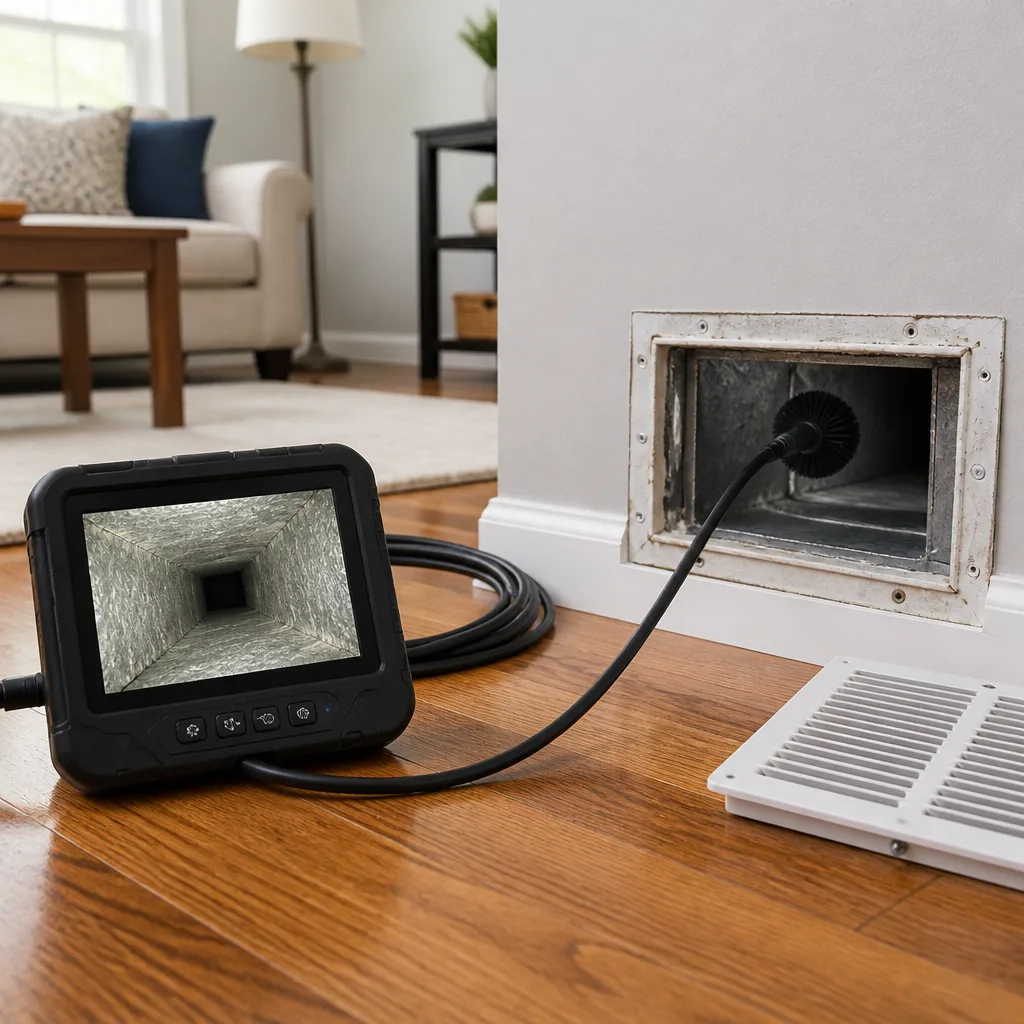 Camera inspection
 Sanitizing & deodorizing
Whole-system duct and dryer vent check with before-and-after photos - you see exactly what came out of your vents
That "$99 whole-house special" is a bait ad - the real number appears once they are in your hallway, or the "clean" is a shop-vac at the register. We photograph the inside of your ducts before and after instead.
DIY vs Professional Air Duct Cleaning: The White Rock Homeowner’s Decision Guide
Most homeowners who ask about DIY duct cleaning are picturing the wrong tool. They picture a shop vac, a long hose, and a Saturday afternoon. What actually matters isn’t effort or willingness. It’s airflow physics. A shop vac hooked to a supply register might pull around 150 CFM of suction. A truck-mounted negative pressure unit used properly pulls somewhere in the range of 3,000 to 5,000 CFM, and that difference is the whole ballgame. Below that threshold, debris doesn’t leave the system. It gets loosened, stirred up, and pushed into places it wasn’t before. This guide walks through what source removal actually requires, what you can safely do yourself, what DIY attempts tend to damage, and how to verify whether a professional job delivered anything a homeowner with a vacuum cannot. We’ve written it for White Rock homeowners who research before they buy, because that’s exactly the kind of reader this deserves.
Quick Answer
DIY air duct cleaning can handle surface dust at registers and filters, but it cannot achieve the negative pressure required for true source removal inside trunk lines and branch runs, so the debris ends up redistributed rather than extracted. Professional cleaning uses equipment that generates several thousand CFM of controlled vacuum and pairs it with agitation tools sized for residential ductwork. For most White Rock homes with a central HVAC system and visible dust buildup, the professional route is the only one that actually removes contamination from the system.
Styles & brands we work with
- Whole-home duct cleaning
- Dryer vent cleaning
- Camera inspection
- Sanitizing & deodorizing
Table of Contents
- The Physics of Source Removal: Why a Shop Vac Can’t Do This
- What Homeowners Can Legitimately Do Themselves
- DIY Attempts That Cause Real Damage
- When DIY Is a Reasonable Interim Measure
- How to Verify a Professional Job Did What DIY Could Not
- White Rock Conditions That Affect Duct Buildup
- What Professional Cleaning Typically Costs and Why Quotes Vary
- The Equipment Behind a Professional-Grade Job
The Physics of Source Removal: Why a Shop Vac Can’t Do This
Air duct cleaning works on a principle called source removal, which means physically extracting debris from the duct surface and carrying it out of the system, not just disturbing it. That extraction depends on two things working together: sustained negative pressure across the whole duct network, and mechanical agitation that breaks debris loose from the metal or flex liner so the airflow can carry it away.
The negative pressure side is where DIY collapses. A consumer shop vac pulls a small volume of air through a narrow hose. Attached to a supply register, it draws from one opening in a system that has many other openings, and air simply enters through those other openings instead of coming from the trunk. You end up pulling ambient room air through a short stretch of duct near the register. Debris in the trunk line, several feet away and around corners, doesn’t move.
Professional systems solve this by sealing the main trunk with a large vacuum source attached at one strategic point while all other openings are worked through in sequence. Truck-mounted negative pressure units move enough air volume to create a pressure differential across the entire duct run, which is what pulls debris along the inside of the duct toward the collection point.
- Consumer shop vac: roughly 150 CFM, hose diameter of 1.25 to 2.5 inches, no duct-sized agitation tools, no sealed trunk connection.
- Professional unit: roughly 3,000 to 5,000 CFM, sealed trunk connection, duct-specific rotary brushes and air whips sized for the run being cleaned.
- The gap in practice: the consumer tool cannot overcome the leakage and distance in a typical residential duct network, so the airflow never reaches the source.
This is why you’ll sometimes read anecdotes about someone vacuuming a register and seeing a puff of dust come out of a different vent across the house. That puff is debris that got loosened. It didn’t leave the system. It relocated.
What Homeowners Can Legitimately Do Themselves
A lot of duct maintenance doesn’t require a full professional cleaning, and there’s real value in doing the simple parts yourself. The key is knowing where the safe line sits.
Filter replacement is the single highest-impact thing a homeowner can do for indoor air quality. A filter changed on schedule keeps the blower and evaporator coil from loading up, and it protects the duct system downstream. Nobody needs a professional for that.
Register and grille cleaning is also safe. Pop the cover off, wipe the slats, vacuum the surface with a brush attachment, and reinstall. The grille face is where dust accumulates first because it’s the visible transition point between room air and duct air. Keeping it clean helps the system look and function better, and nothing about it is risky.
Dryer vent disconnection and brushing is a reasonable DIY job for a short, straight run. Unhook the flexible connector at the back of the dryer, inspect the interior, and run a vent brush through if the run is short and reachable. Where it stops being reasonable: long runs, tight bends, behind-wall routing, or any vent that terminates on the roof. Those setups hide lint in places a brush won’t reach and require proper rotary equipment.
Visual inspection with a phone camera is a genuinely useful first step. Many phones have a camera small enough to slip past a register with a light source, and the footage tells you whether you’re looking at surface dust or a heavier accumulation that suggests the system needs more than a filter change.
What all four of these have in common: they don’t require pressure differentials, duct-sized tools, or any contact with the main trunk. That’s the dividing line.
DIY Attempts That Cause Real Damage
There’s a category of DIY duct work that doesn’t just fail to clean. It actively damages the system, and some of the damage isn’t discoverable until a professional is looking at it.
- Improper brush use in flex duct. Flex duct is a metal wire helix wrapped in a plastic inner liner with insulation outside. A stiff brush run aggressively by hand can tear the inner liner, and once that tear exists the liner collapses into the airstream, creating turbulence and a dust-collection point. Fixing it means replacing the run.
- Chemical foggers applied without proper dwell time. Consumer foggers sold as duct sanitizers depend on controlled dwell time and the right concentration for each duct material. Spray-and-go applications leave residue on metal that attracts dust, and over-application in systems with flex runs can degrade the liner.
- Compressed air blown into registers. This is the classic mistake. Blowing air into one register pushes debris toward the air handler, where it loads up the evaporator coil, the blower wheel, and the filter. You’ve moved the mess into the most expensive place in the system.
- Shop vac attached at the air handler return. A shop vac connected to the return plenum can pull air through the coil, but it doesn’t provide enough volume to reach the branch lines, and it can pull loose debris directly into the coil fins.
- Sealing registers during cleaning. Sealing every register except one, then vacuuming, sounds clever, but without main trunk agitation the debris in the trunk doesn’t lift, and you’ve created a false sense of a thorough job.
In our experience, the flex duct liner tear is the most common of these. It’s also the one that costs the most to correct, because a torn run has to be replaced, not just cleaned.
When DIY Is a Reasonable Interim Measure
Loose surface dust from a recent renovation is a genuine case where a homeowner can meaningfully intervene before a professional cleaning is scheduled. If a new addition, a kitchen remodel, or drywall work introduced construction dust into a room, and the HVAC isn’t yet commissioned in that space, wiping registers and changing filters will catch the worst of it. That’s a short list, but it matters.
Other reasonable interim actions:
- Changing filters more frequently for a few weeks after renovation dust settles.
- Wiping register faces and grilles every week or two during a dusty season.
- Vacuuming the return grille with a soft brush attachment.
- Keeping pets off registers that pull heavily, to slow buildup at the return.
Where DIY becomes insufficient: any situation where dust is visibly puffing out of supply registers when the system starts, where noticeable musty odor develops when the air handler runs, or where a filter clogs much faster than it should. Those are signals that whatever is accumulating is inside the trunk system, not at the surface.
For most White Rock homes, the honest answer is a hybrid: do the simple maintenance yourself, then bring in professional air duct cleaning when the system signals it needs something more.
How to Verify a Professional Job Did What DIY Could Not
The verification piece is where a lot of duct cleaning jobs fall short, and it’s where homeowners should ask more questions before work starts. A legitimate professional job produces things a DIY attempt cannot, and they’re observable.
The most useful verification points:
- Before-and-after photos inside the main trunk. Ask for camera footage showing the interior of the trunk before work begins and after. If the technician can’t or won’t document the trunk interior, that’s a signal.
- Airflow measurement at the register. A technician should be able to measure airflow at a supply register before and after cleaning. Significant improvement indicates the system is moving more air than it was.
- Filter loading rate comparison. Install a fresh filter after the cleaning and check it 30 days later. If it loads up at a much slower rate than before, the source removal worked. If it looks the same, it didn’t.
- Static pressure check at the air handler. A trained technician can measure total external static pressure across the system before and after service. Changes indicate whether the system’s resistance to airflow improved.
- Visible collection canister. While the job is running, ask to see what the collection unit has pulled out. Debris volume confirms that removal actually occurred.
These are the checkpoints that separate a professional cleaning from a surface tidy-up. Before-and-after documentation is also the single best protection against the bait-and-switch problem that has damaged this industry’s reputation in White Rock and everywhere else.
White Rock Conditions That Affect Duct Buildup
White Rock’s climate matters for how quickly duct systems accumulate debris and what type. Mild winters mean heating and cooling loads don’t swing wildly, but they also mean the system runs in cooling mode most of the year, and that has a specific effect on duct buildup.
Cooling-season operation keeps the evaporator coil wet for long stretches. A wet coil picks up more dust than a dry one, and if the filter isn’t changed on schedule, the coil becomes a breeding ground for biological growth. Once that growth starts, the duct system downstream of the coil sees higher spore counts, and homeowners notice musty odor through supply registers.
The other White Rock condition worth flagging: newer construction and additions where ductwork is installed near attic or mechanical closets that aren’t perfectly sealed. Tiny leaks at joints let ambient dust into the system, and that dust migrates to the trunk. It’s a slow accumulation, but on a five-year horizon it’s meaningful.
White Rock’s housing stock varies quite a bit across neighborhoods, and that variety affects what a duct system looks like. Older homes often have sheet metal trunk and branch systems that hold up well with regular maintenance. Newer homes in White Rock tend to have flex duct throughout, which is easier to clean but easier to damage with the wrong tools. Knowing which type of system is in the house is a practical first step before deciding whether to call a professional.
Access matters too. In some White Rock homes, the air handler is in a tight attic or mechanical closet, and that changes what equipment can physically reach the trunk. A technician visiting the home is the right way to sort that out.
What Professional Cleaning Typically Costs and Why Quotes Vary
Air duct cleaning pricing varies widely in White Rock, and the range reflects real differences in equipment, scope, and how many systems a house has. Cheaper quotes often skip the trunk work, use shop vac-grade equipment, and treat the branches only. That’s not source removal, and the homeowner ends up paying again a year later.
A useful way to think about cost is per system, not per register. Here’s what typical line items look like in a residential job, stated as ranges so you can compare quotes:
- Full air duct cleaning (single HVAC system): typically quoted per system, with the exact figure set in the written estimate.
- Dryer vent cleaning: usually quoted separately from duct cleaning because it’s a distinct service with its own equipment. See our dryer vent cleaning page for scope details.
- HVAC cleaning (air handler, coil, blower): commonly bundled when the coil is visibly loaded or the blower has heavy buildup. Details are on the HVAC cleaning page.
- Air quality and sanitizing: an add-on when biological growth or odor is present, using products from Abatement Technologies or Honeywell depending on the situation.
- Duct repair and sealing: quoted after inspection, because the scope depends on where the leaks are.
Why quotes vary so much: some companies price per register, which encourages a visit that technically satisfies a count but doesn’t address the trunk system. Others quote for a full system clean with proper negative pressure, agitation tools, and documentation. The written estimate should make clear which of those you’re getting. Estimates are free, so there’s no reason to accept a quote without knowing exactly what’s included.
The Equipment Behind a Professional-Grade Job
The equipment difference is easy to state but worth understanding properly, because it explains why the professional route exists at all. Industry-standard duct cleaning rigs use purpose-built components that don’t have consumer equivalents.
Rotobrush and Nikro equipment covers the two main categories a residential job needs. Rotobrush systems are built for branch-line cleaning with rotary brushes that reach into flex and metal runs without damaging the liner. Nikro units are built more around high-volume negative pressure with collection canisters, sized for the trunk system. Together they cover what a shop vac cannot: simultaneous pressure at the trunk and precision agitation at the branch.
When a system also has biological growth or odor, air quality equipment matters. Honeywell and Aprilaire products integrate filtration and humidity control at the system level. Abatement Technologies equipment is used in commercial and medical settings and provides HEPA-grade collection during the cleaning itself, which is one reason professional cleaning doesn’t leave fine dust settling back into the house afterward. Guardsman-grade sanitizing products are applied after mechanical cleaning to protect the cleaned surface, not as a substitute for it.
That’s the equipment stack a professional job should have, and it’s also the part of the process most homeowners don’t see. Asking what equipment the crew plans to use is a fair question before booking. See the full scope on our air duct cleaning White Rock page.
Common Mistakes to Avoid
- Renting a shop vac and calling it duct cleaning. Surface dust at registers might come off, but the trunk lines get redistributed rather than cleaned, and the homeowner ends up paying twice. If you’re going to spend the afternoon, spend it on filters and register wipes instead.
- Believing a low advertised price covers the whole system. Coupon-priced cleaning is often priced per register or per vent, which means the trunk is either excluded or billed separately once the crew is on site. Ask what the quote covers before work starts, and get it in writing.
- Blowing compressed air into registers as a “quick clean.” This pushes debris into the evaporator coil, which is the most expensive place in the system to clean. The mess gets worse, not better.
- Skipping the dryer vent because it looks fine. Lint accumulation is not always visible from the outside, and it’s the leading cause of dryer-related house fires. If the vent hasn’t been cleaned in a couple of years, have it looked at regardless of appearance.
- Assuming a filter change is the same as duct cleaning. A filter catches what passes through it and doesn’t reach the trunk lines, and changing it more often doesn’t address the interior of the ductwork.
- Not asking for before-and-after visual documentation. The single easiest way to get ghosted by a low-quality job is to let the crew leave without showing you what was inside the trunk. Ask first, book second.
- Running chemical foggers without knowing the liner material. Flex duct liners react differently than sheet metal to liquid fogging, and over-application in a White Rock home with flex runs can leave residue that attracts new dust faster than before.
See the difference
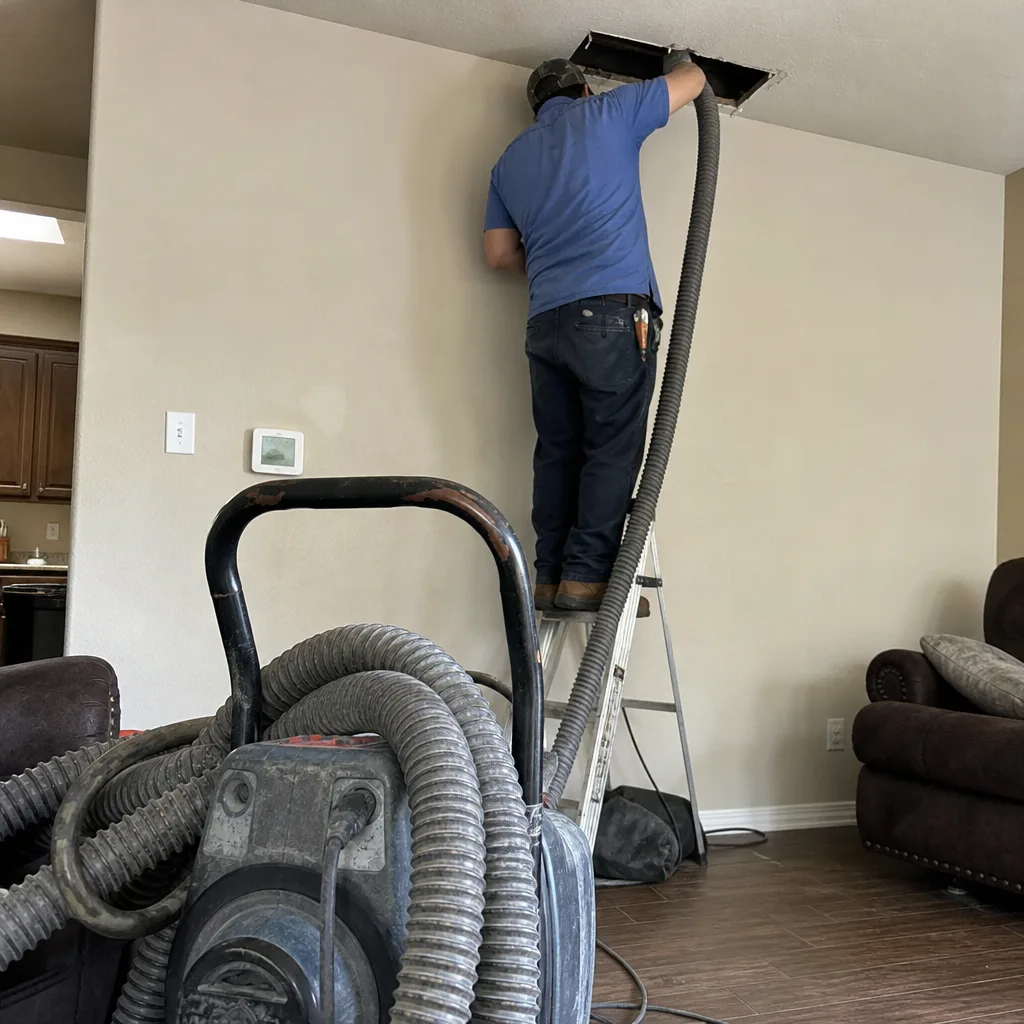 Before
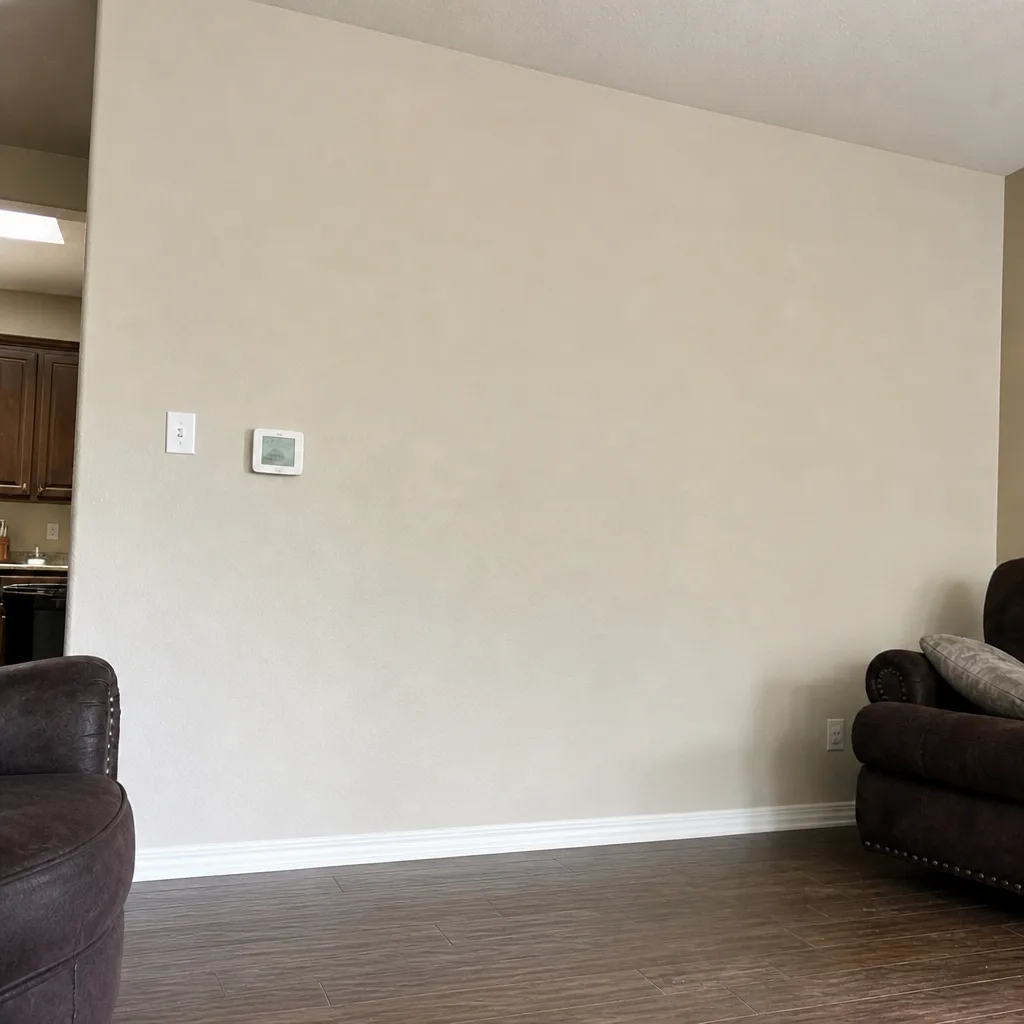 After
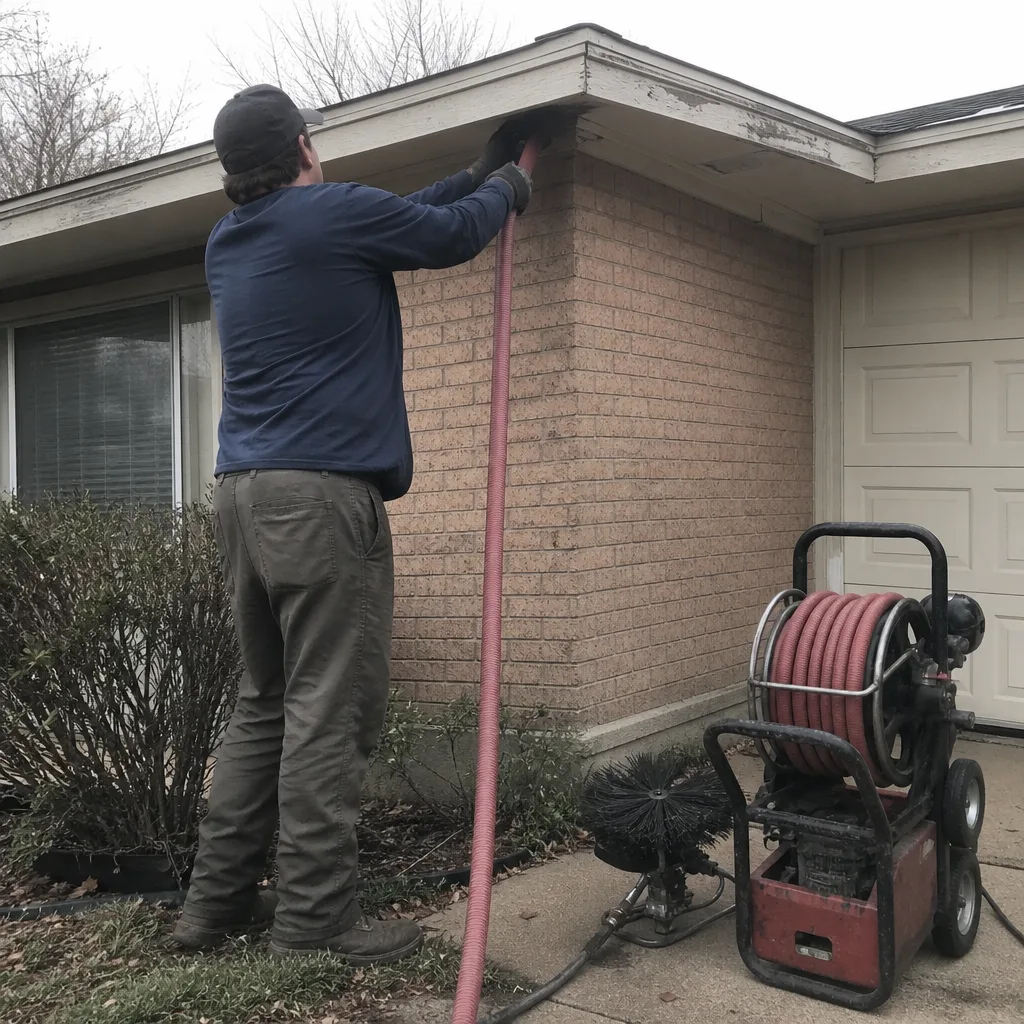 Before
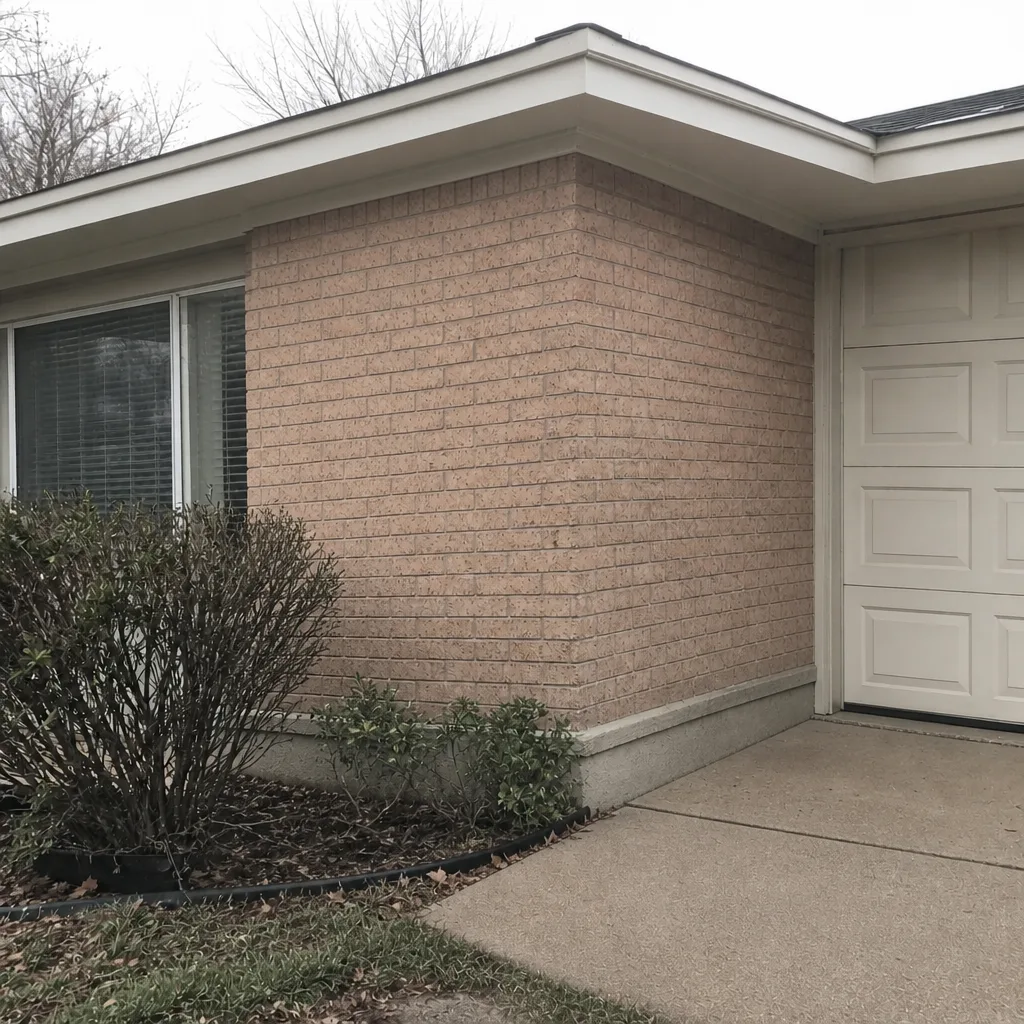 After
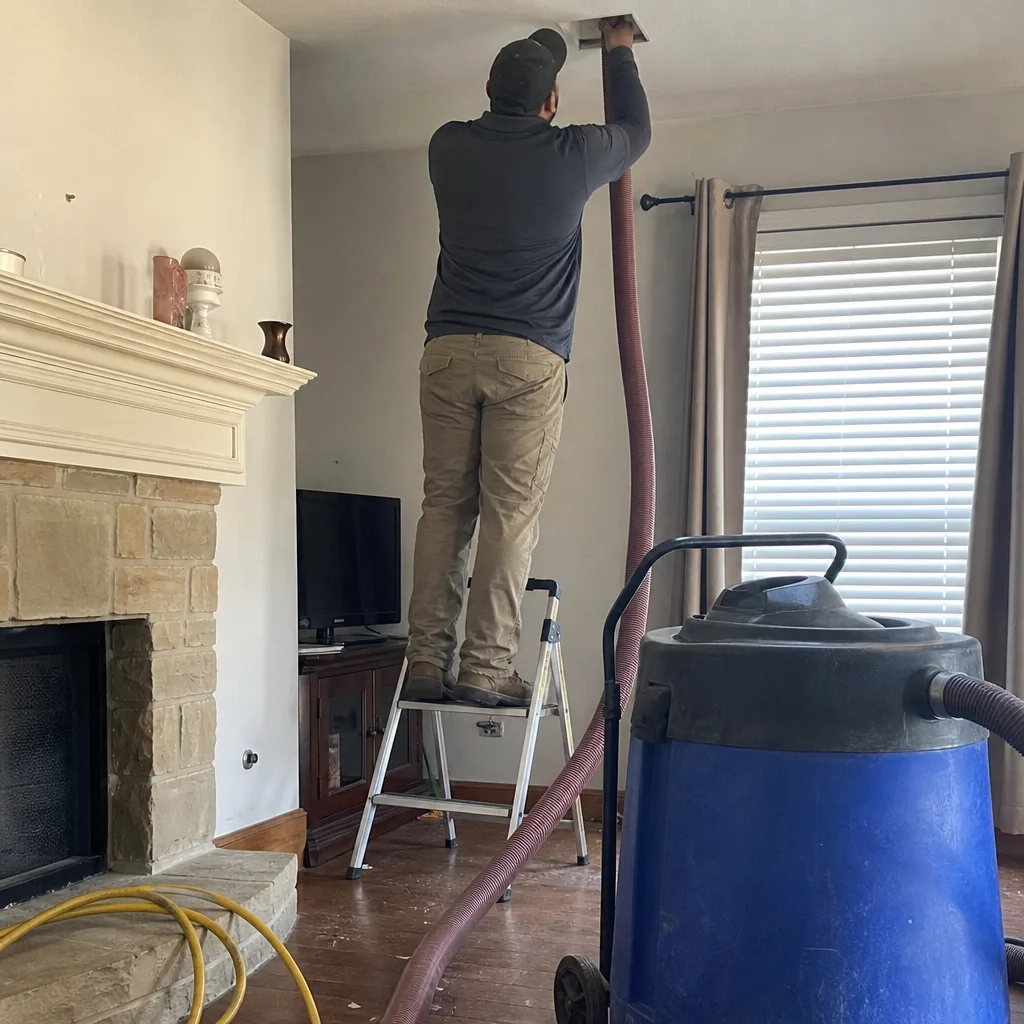 Before
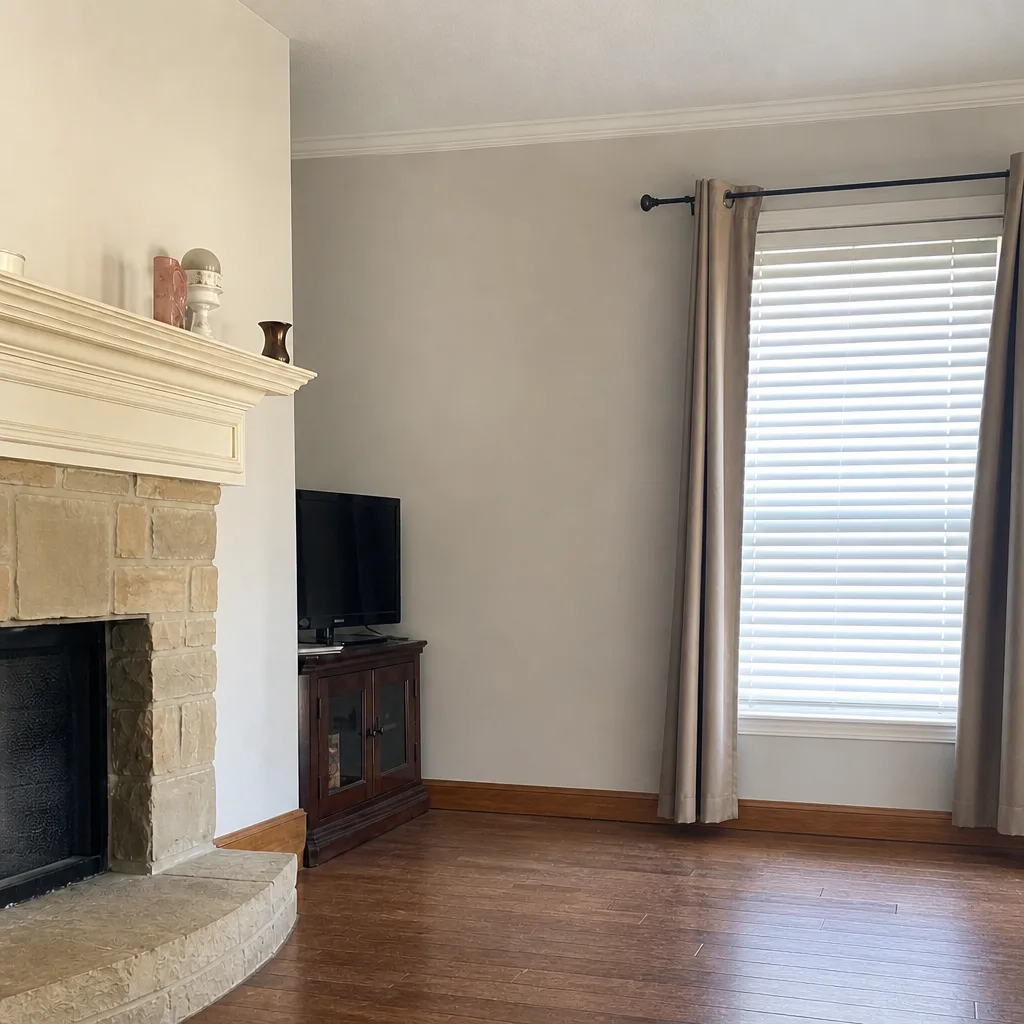 After
When to Call a Professional
Call when the system gives you a signal you can’t resolve with filters and grille wipes. Visible dust puffing out of supply registers on startup, a musty odor when the air handler runs, or a filter that clogs in a fraction of its usual life span all point to debris inside the trunk system. Unexplained respiratory irritation that eases when you leave the house is worth a professional inspection too. Structural issues like torn flex liners, disconnected runs, or airflow loss in one part of the house are repair scope, not cleaning scope, and need an inspection to sort out. Air Duct Cleaning White Rock offers free estimates in White Rock and can quote on all five services under one roof. Call (855) 337-2035 to book. We answer 24/7. Fast dispatch from 7am to 7pm, Sunday through Friday.
Frequently Asked Questions
You can vacuum visible dust off registers and grilles with a shop vac, but you cannot achieve source removal inside the trunk lines. The pressure volume from a consumer shop vac is roughly a fraction of what a truck-mounted unit delivers, so debris in the trunk stays where it is or gets pushed to the air handler. For surface work, a shop vac is fine. For source removal, it’s not the right tool.
Cost is quoted per system, with the final figure set by a written estimate after a technician sees the ductwork. Pricing depends on the number of systems, system type (sheet metal vs. flex), access, and whether add-on services like dryer vent cleaning or duct sealing are included. Estimates are free, so there’s no reason to book without knowing the exact scope and price first. Call (855) 337-2035 for a free estimate.
Cheap quotes usually reflect a different scope: per-register pricing, no trunk work, consumer-grade equipment, and no documentation. The homeowner pays less and gets a service that doesn’t address the source of the contamination. A proper quote explains what equipment is used, what’s included, and what proof-of-work you’ll receive. Call (855) 337-2035 for an estimate that spells those out.
Ask for before-and-after camera footage inside the main trunk, airflow measurements at a supply register taken before and after, and a filter loading comparison 30 days post-service. A technician with proper equipment can provide all three. Before-and-after photos from inside the ductwork are the single best verification, and any reputable company will offer them upfront. Call (855) 337-2035 to book a job that documents its work.
Most homes go several years between cleanings, but the right interval depends on the home. Pets, recent renovation, high occupant count, and heavy cooling-season operation all shorten the interval. In White Rock, homes running the AC year-round with visible dust at registers tend to need cleaning more frequently than homes without those factors. If a fresh filter clogs in a month or two, that’s a signal to inspect the ducts, not to clean them more often. Call (855) 337-2035 for a free estimate.
It’s a real safety service, not an upsell. Lint accumulation inside a dryer vent line restricts airflow, which raises dryer operating temperature and increases fire risk. Any run that hasn’t been cleaned in a couple of years is worth inspecting, and any run that’s long, bends sharply, or terminates at the roof should be professionally cleaned rather than DIY’d. We can quote dryer vent cleaning alongside duct cleaning on the same visit. Call (855) 337-2035 to book.
The Bottom Line
DIY and professional duct cleaning aren’t competing options for the same job. They operate at different scales. DIY handles the surface: registers, grilles, filters, and visual inspection. Professional cleaning handles the trunk system, which requires negative pressure in the thousands of CFM and agitation tooling built for duct interiors. Trying to push a shop vac into the professional category causes damage more often than it produces results, and torn flex liners or dust-loaded air handlers are the cost. For White Rock homeowners, the smart approach is to do the simple maintenance yourself and book professional cleaning when the system signals it needs more. Call (855) 337-2035 for a free estimate. We answer 24/7. Fast dispatch from 7am to 7pm, Sunday through Friday. One call covers the whole system: cleaning, sanitizing, repair, and sealing, with proper equipment and documented results.
Written by the team at Air Duct Cleaning White Rock.