
Last updated November 23, 2026
 Whole-home duct cleaning
 Dryer vent cleaning
 Camera inspection
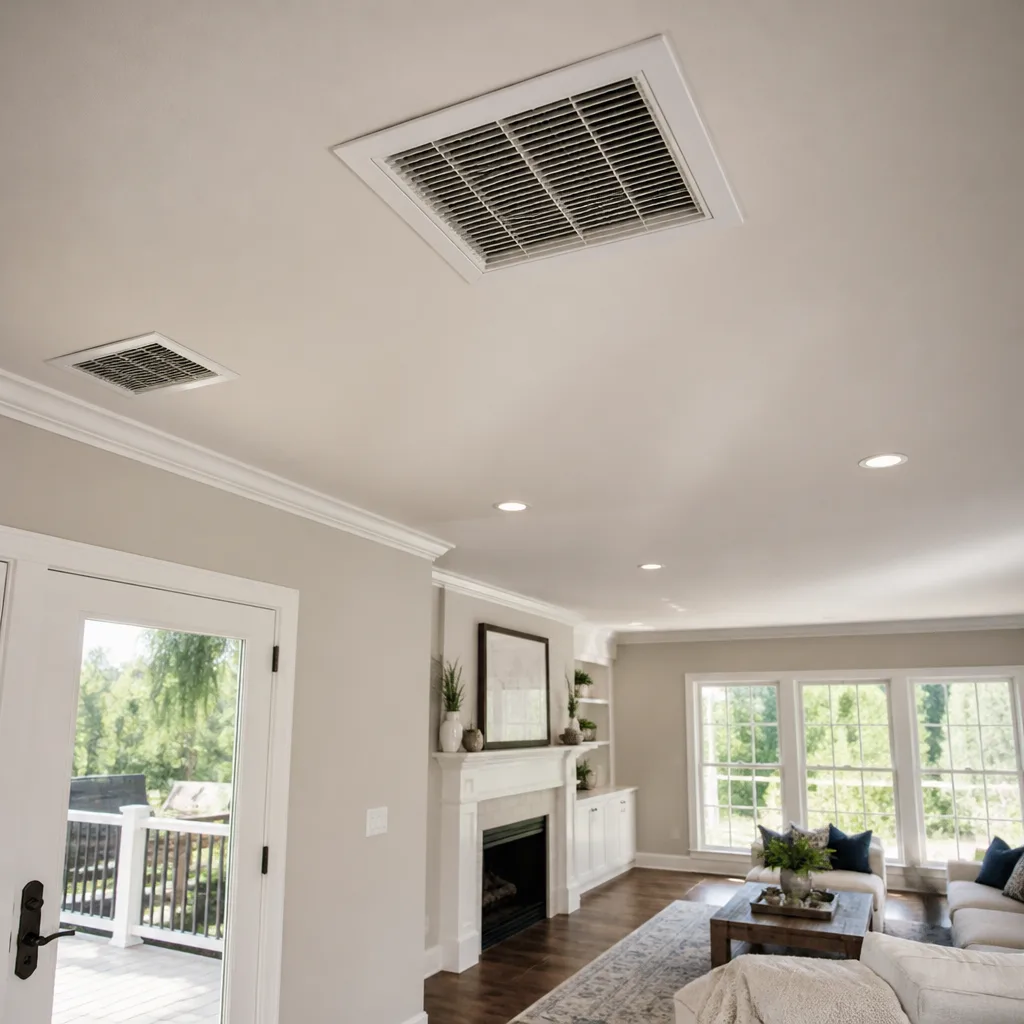 Sanitizing & deodorizing
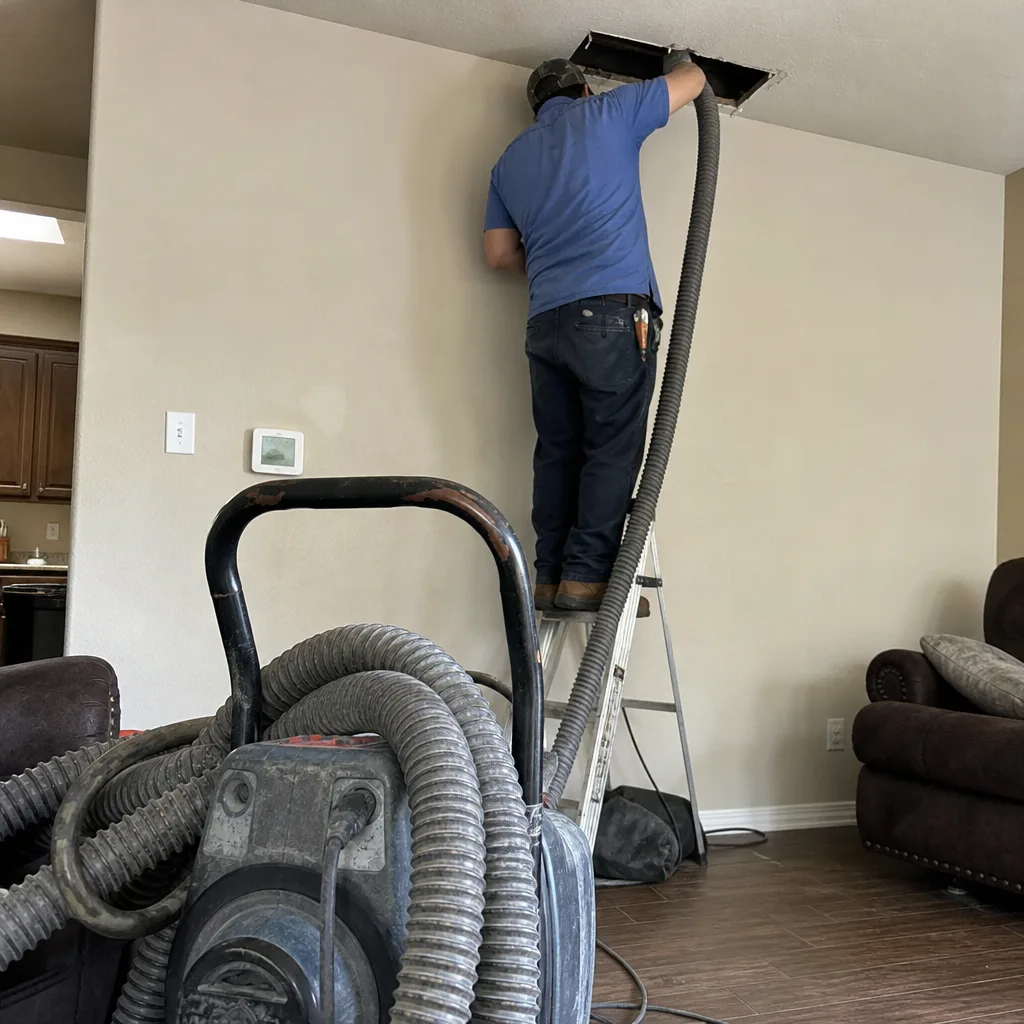
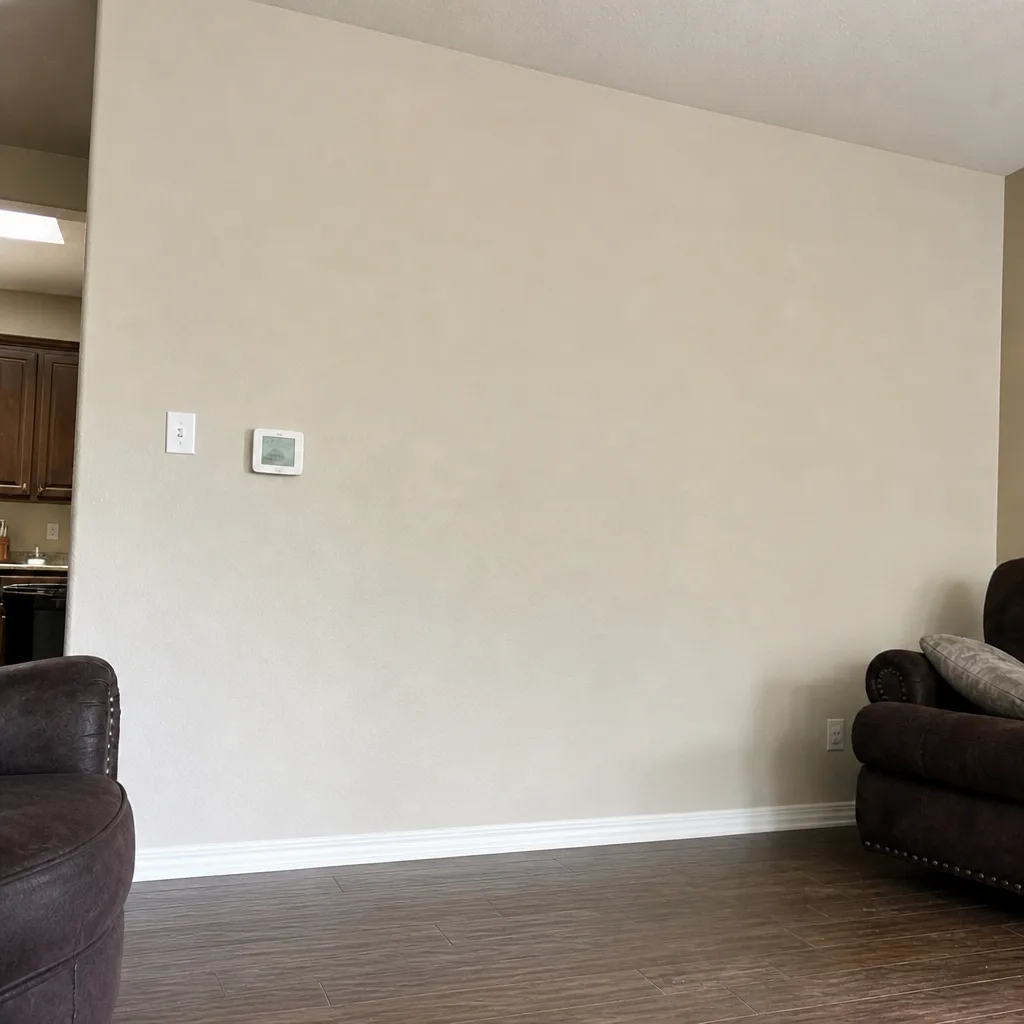
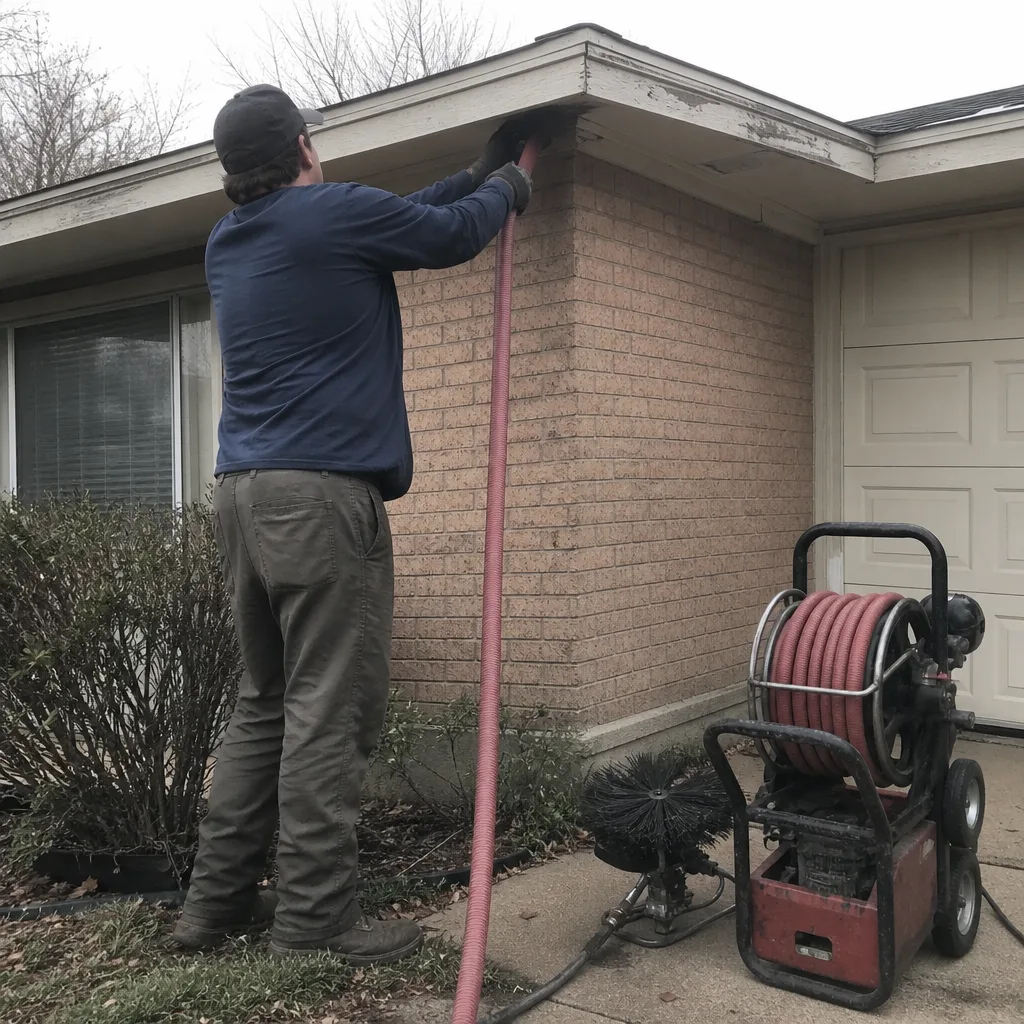
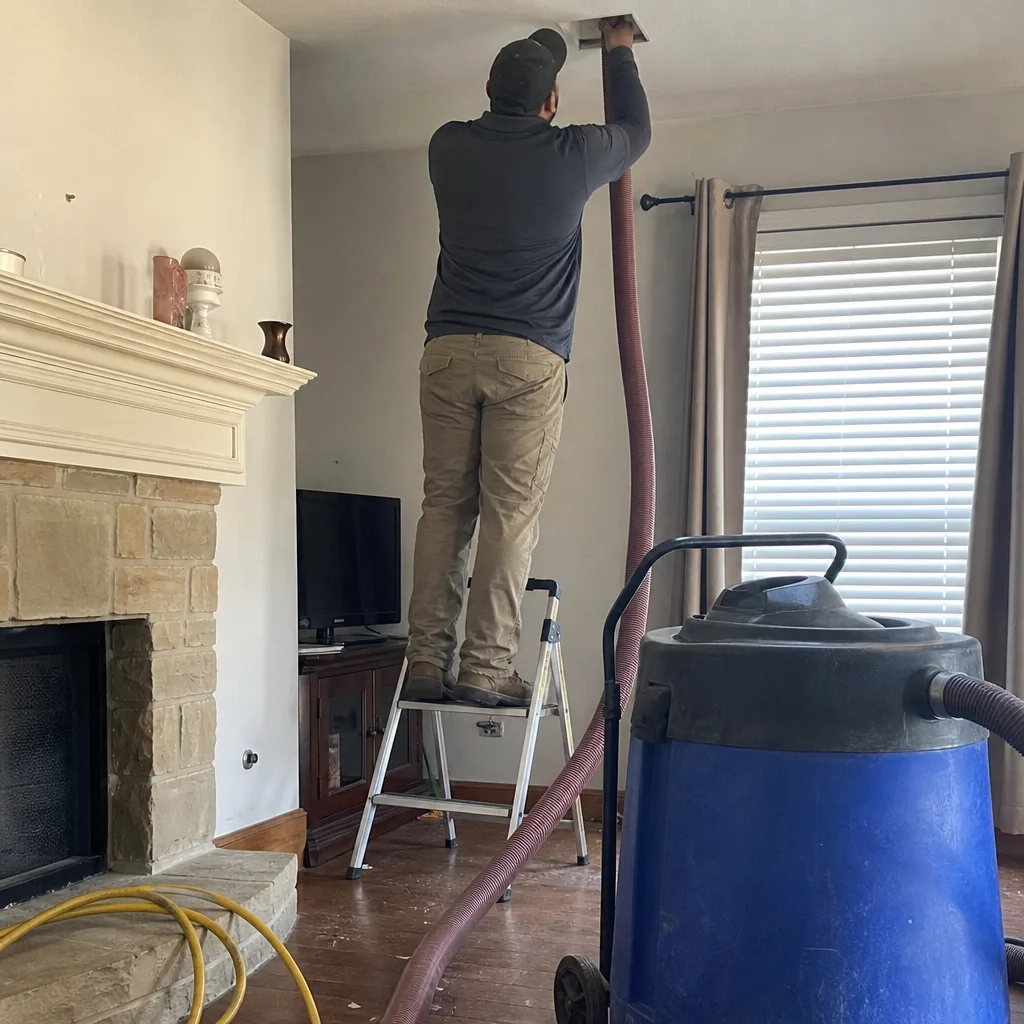
Whole-system duct and dryer vent check with before-and-after photos - you see exactly what came out of your vents
That "$99 whole-house special" is a bait ad - the real number appears once they are in your hallway, or the "clean" is a shop-vac at the register. We photograph the inside of your ducts before and after instead.
Air Duct Cleaning Maintenance Checklist for White Rock Homeowners
Replacing a $12 filter on schedule while ignoring a disconnected flex duct in the attic is the most common and costliest duct maintenance mistake we see in White Rock. One is visible and satisfying; the other hides above the ceiling, quietly bleeding conditioned air into an attic that doesn’t need it. Standard checklists don’t flag the difference, because they treat every maintenance item as equal. This guide draws the line explicitly: what you can observe and judge yourself, what needs a gauge or a camera, and when either signal justifies calling a professional. You’ll finish knowing how to inspect your own registers, read pressure symptoms, and keep your ducts, HVAC, and dryer vent on a schedule that fits your household rather than a generic annual reminder.
Quick Answer
A useful duct maintenance checklist splits tasks into two groups: owner-observable items you check monthly or seasonally (filter loading, register airflow, dust at grilles, odors, attic flex duct condition) and instrumented items that need a professional (static pressure readings, duct leakage testing, interior camera inspection). In White Rock’s hot climate, the attic-side checks matter as much as the filter, and the dryer vent belongs on the same list because a lint-restricted vent raises system static pressure just like a crushed duct does.
Styles & brands we work with
- Whole-home duct cleaning
- Dryer vent cleaning
- Camera inspection
- Sanitizing & deodorizing
Table of Contents
- What Homeowners Can Check Themselves
- Attic Inspection Indicators for North Texas Heat
- Pressure Imbalances: The Tissue Test and Manometer
- Why the Dryer Vent Belongs on the Same Checklist
- How Often Should Ducts Be Cleaned? Match Intervals to Your Household
- Duct Repair and Sealing: The Step Most Checklists Skip
- Professional Tools vs. Consumer Shortcuts
- Common Mistakes to Avoid
What Homeowners Can Check Themselves
Four observations cover most of what a homeowner can judge without instruments, and all four cost nothing but a few minutes each month. Do them at the same time so you build a baseline you can compare against later. A change over time tells you more than any single reading.
Register airflow balance. Hold a tissue or your hand at each supply register while the system runs. Airflow should feel roughly comparable across rooms on the same branch. One register that pushes noticeably weaker than its neighbors on the same zone suggests a crushed or disconnected duct feeding it, not a dirty filter (a dirty filter weakens every register at once).
Visible dust accumulation at grilles. A thin, even film on return grilles is normal. Dark streaking or a fuzzy buildup on supply grilles within a few weeks of cleaning points to a source upstream: leaky return ductwork pulling attic or wall-cavity air, or a gap at a boot where the duct meets the ceiling.
Filter loading rate. Note how many weeks it takes before your filter looks visibly loaded. A filter that used to last three months and now loads in four to six weeks is telling you particulate is entering the return side from somewhere it shouldn’t.
Unusual odors by season. Musty smells that appear when the cooling season starts and fade in cooler months usually trace to condensation or biological growth in the air handler or duct lining. Odors that follow a renovation are construction dust that has settled. A persistent chemical or burning smell is a stop-and-call situation, not a maintenance item.
Attic Inspection Indicators for North Texas Heat
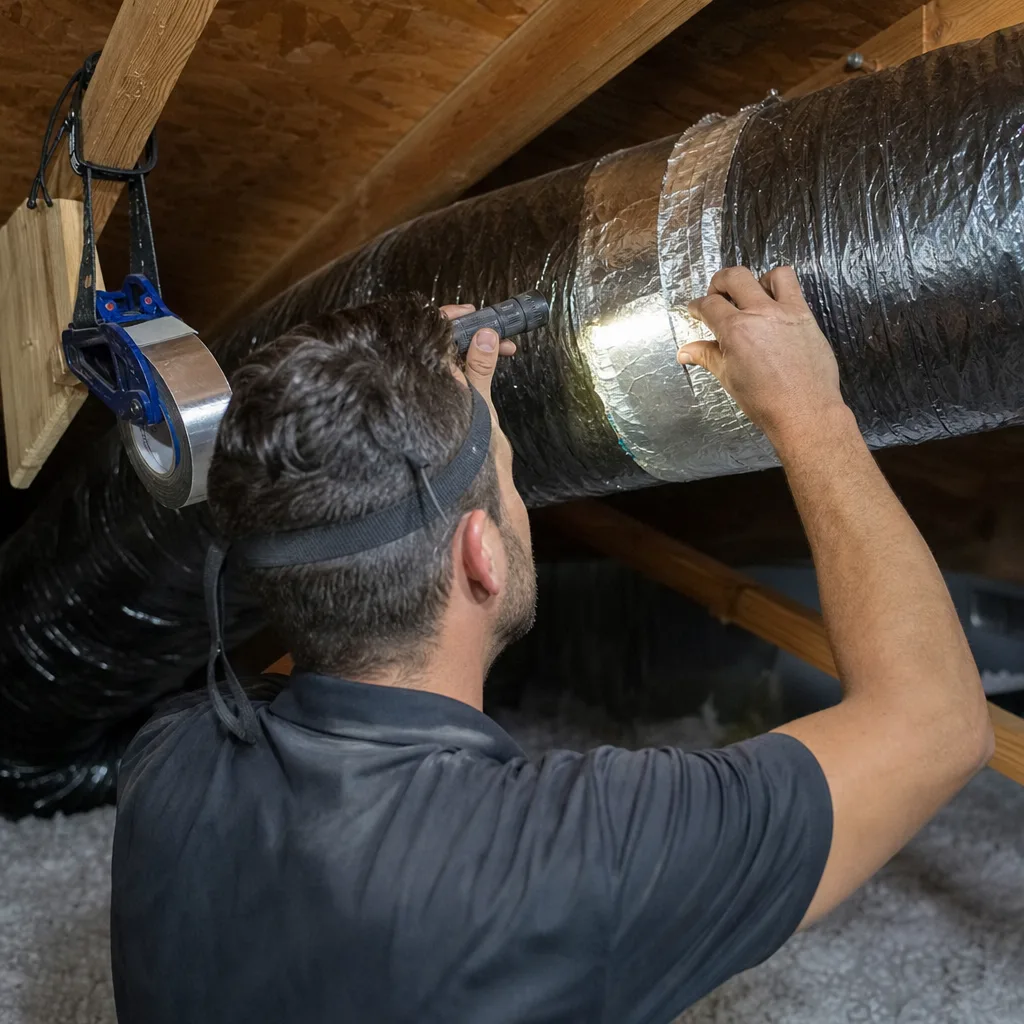
The attic is where duct systems in White Rock fail first. Summer attic temperatures push flex duct and its connections toward the edge of their rated service range, and the effects show up as sagging runs, radiant barrier interference, and insulation that has drifted away from the boots. None of these are visible from inside the house, which is why they go unnoticed for years.
If you’re comfortable doing so safely, look into the attic during the cooler part of the day with a flashlight. Stay on marked walkways and look from a distance rather than stepping across joists. What you’re checking for:
- Flex duct sag. Runs should be supported and relatively straight. A long, drooping span between supports is more restrictive than a taut run, and it can collect condensation.
- Radiant barrier interference. Where foil-faced radiant barrier sheathing meets a duct or a boot, the foil can be touching or compressing the duct. Radiant foil that presses into insulation or duct surfaces undermines both.
- Insulation displacement around boots. The insulation should be pushed up tight around every ceiling penetration. Gaps there let attic air - and attic heat - into the system supply side.
- Disconnected or slipped connections. Look at every junction between the plenum, the main trunk, and the branch runs. A joint that has slipped apart is dumping conditioned air into the attic, and it’s the single most common problem we find.
If anything looks disconnected, crushed, or sitting in water, don’t handle it yourself; note the location and get a professional out to look. Flexible duct connections are easy to re-secure once a technician is in the attic, but harder to fix correctly from below.
Pressure Imbalances: The Tissue Test and Manometer
Pressure is the one duct-system property you can estimate without tools and confirm with a cheap gauge, and it’s the best early warning of leakage between service intervals. A duct system that is losing air to the attic or wall cavities will show a pressure difference between the supply side and the return side. The more leaky the system, the harder the blower works to maintain the same airflow.
The tissue test. Tape a thin strip of tissue to the edge of an open return grille and watch it while the system runs. If the tissue flutters erratically or looks like it’s being pulled in short pulses rather than a steady draw, that’s an airflow or pressure symptom worth investigating. Do the same at a supply register: a tissue that hangs limp or flaps backwards on a supply means air isn’t arriving where it should.
A simple manometer reading. An inexpensive digital manometer can be used to compare pressure at the return plenum and at the supply plenum. Ask a professional to show you where to take the readings and what the numbers mean for your specific system. A growing gap between the two readings over a season is an indicator of leakage, not dirt.
A word on what the tissue test can’t do: it detects a symptom. Only an instrumented inspection can tell you where the leak actually is and how much it’s costing you. Use the tissue test as a monthly flag, not a diagnosis.
Why the Dryer Vent Belongs on the Same Checklist
The dryer vent is a parallel duct system that most maintenance lists leave off entirely, and it interacts with your HVAC system more than most people realize. A lint-restricted vent raises static pressure at the dryer. In a house where the dryer vent and HVAC share attic or wall chase space, that pressure back-up and the added heat load from a struggling dryer can affect the whole envelope.
A lint-clogged dryer vent is also the leading household fire risk in residential laundry setups. Lint is highly combustible, and a vent that has built up a restricting layer of it can trap heat. The maintenance checks that belong on your checklist:
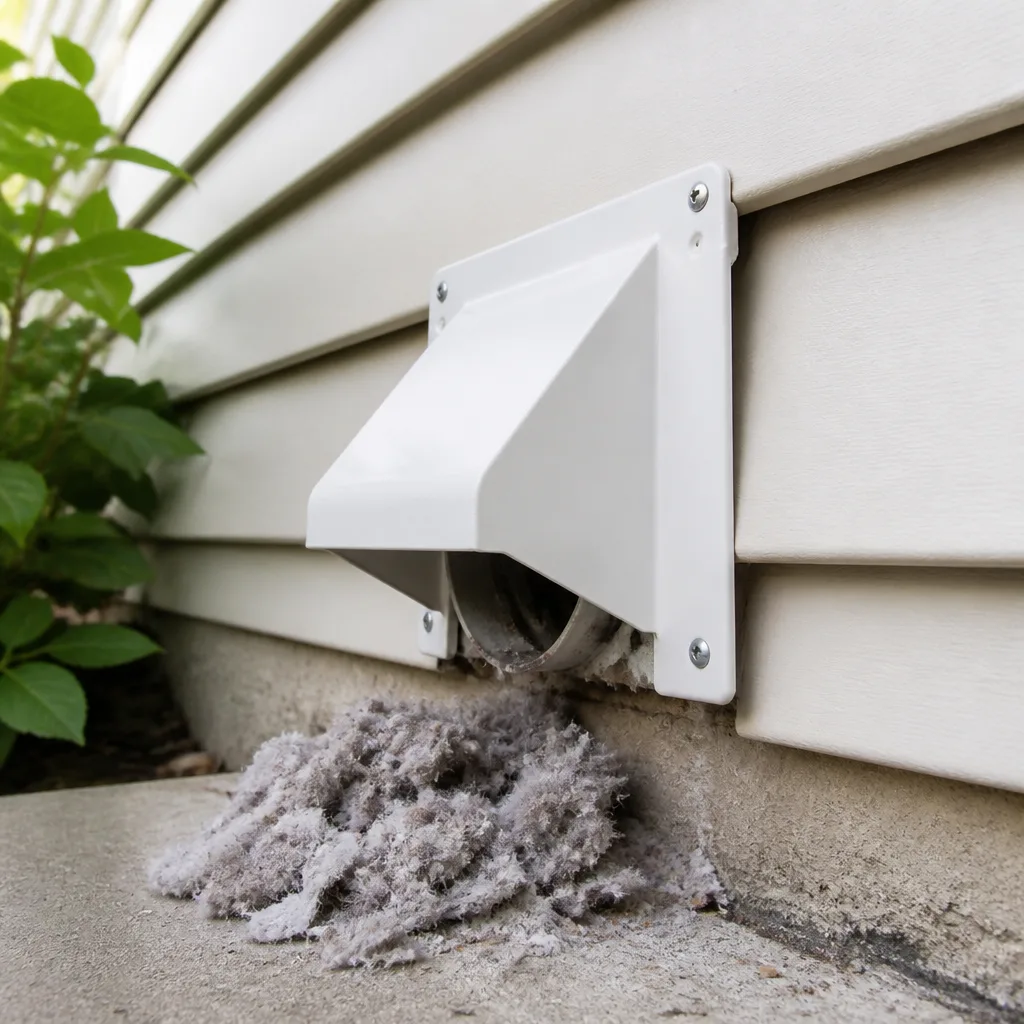
- Inspect the exterior vent flap. It should swing freely and there should be no visible lint matting at the outlet.
- Check for a lint screen that’s cleaned before every load (this is basic but it’s the biggest single variable).
- Check that the flexible connector behind the dryer isn’t kinked or crushed against the wall.
- Note how long a typical load now takes to dry. A cycle that has crept from 45 minutes to 70 is a pressure symptom.
If your exterior vent flap doesn’t open cleanly, if you see lint escaping around the outside, or if drying times are trending up, the vent needs cleared. dryer vent cleaning is the safest way to deal with that, and it’s worth doing on its own schedule rather than waiting for the ducts to need service.
How Often Should Ducts Be Cleaned? Match Intervals to Your Household
There is no single right interval. A home with two adults and no pets in White Rock has very different duct maintenance needs than a home with shedding dogs, recent renovation dust, and an occupant with allergies. Tying your interval to household variables is more useful than following a one-size schedule. Our technicians have up to 12 years of experience, and in our experience the variables below shift the interval by years, not months.
Use this as a starting point:
- Baseline, low-variable household. Two to four occupants, no pets, no recent renovation, no known allergies. Inspect yourself monthly, schedule a professional inspection roughly every few years.
- Pet households. Double the maintenance attention. Pet hair and dander load the return side faster than human occupants alone, and the filter loading rate will tell you.
- Post-renovation households. Within a few months of drywall, framing, or major floor work, look inside the system. Construction dust settles in return plenums and duct runs and is hard to clear without professional equipment.
- Occupants with allergies or respiratory conditions. Shorter intervals and annual inspection are reasonable, especially in White Rock’s long cooling season, when the system runs more hours and moves more air through the same ductwork.
- Older systems. A system 15 years or older is likelier to have leaky joints, failing flex duct, and displaced insulation around boots. Age alone justifies more frequent inspection, because repair is often the real need.
If two or more of the above apply to your home, lean toward the shorter interval. If only the baseline applies, a solid monthly self-check plus a professional inspection every few years is reasonable maintenance.
Duct Repair and Sealing: The Step Most Checklists Skip
Cleaning a duct system that leaks is like washing a bucket that has holes in the bottom. The debris returns because the leaks keep pulling outdoor and attic air into the system. We clean the system, then seal it - repair and sealing is the logical completion of the job, and it’s the step a lot of generic checklists leave out because it requires more than a vacuum.
Here’s what the repair-and-sealing side of the checklist covers:
- Re-securing and taping slipped joints at plenums, trunks, and branch takeoffs.
- Replacing crushed or kinked flex duct runs on short, unrestricted paths.
- Re-seating insulation around boots so the ceiling penetration is tight.
- Sealing duct penetrations at the air handler cabinet.
- Confirming return-side joints are sealed, not just the supply side.
After sealing, the static pressure readings come down, which is the measurable signal that the work actually did what it promised. This is also why HVAC cleaning and duct repair should be evaluated together; a clean air handler pulling through leaky ducts just re-loads.
| Variable | Self-check frequency | Professional inspection |
|---|---|---|
| Baseline household, no pets, no allergies | Monthly | Every few years |
| Pets in the home | Monthly | Shorter interval, watch filter loading |
| Recent renovation | Weekly for first few months | Within a few months of completion |
| Allergies or respiratory condition | Monthly | Annual inspection is reasonable |
| System 15+ years old | Monthly | More frequent, repair-focused |
Professional Tools vs. Consumer Shortcuts
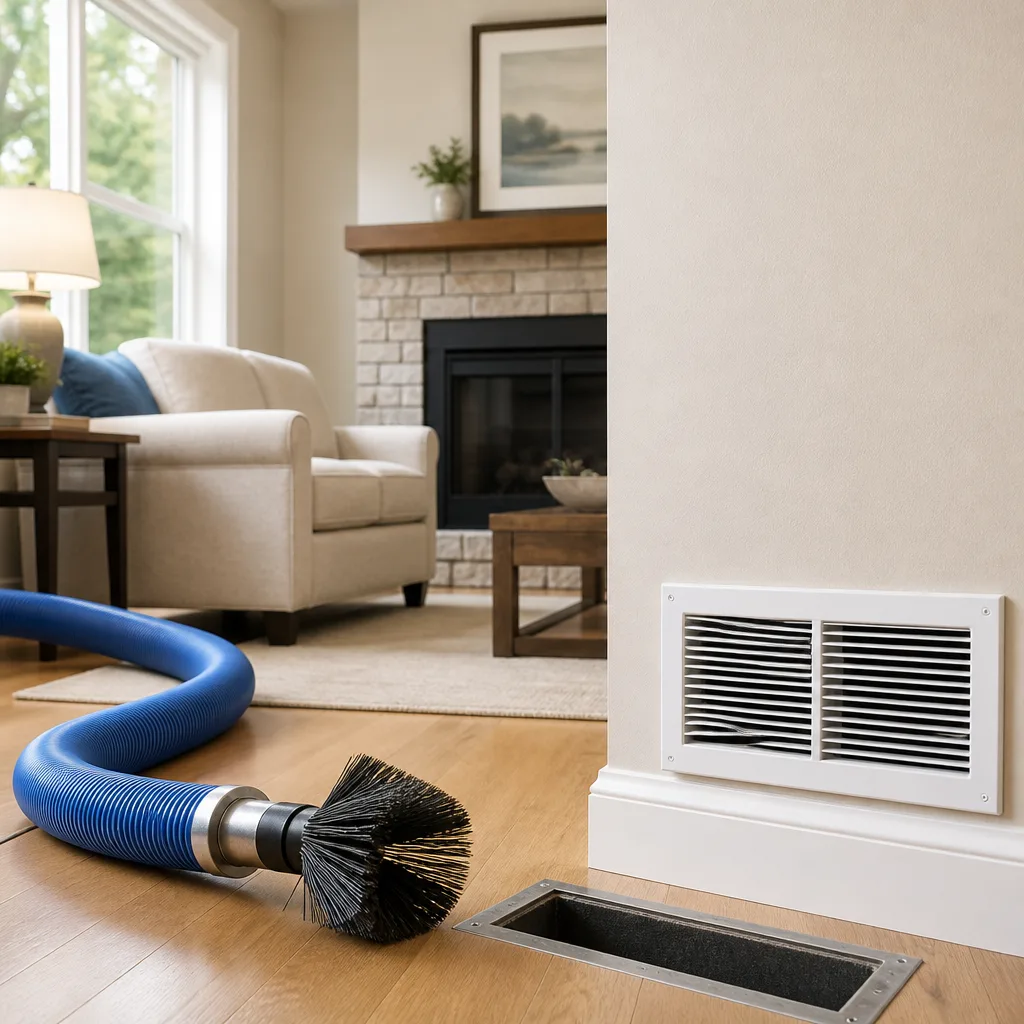
When your self-checks point to a problem, the home question to ask before hiring anyone is what equipment they’ll put inside your duct system. A generalist crew with a shop vacuum can lift surface dust off the first few feet of a run. It can’t reach a 15-foot flex run with a crushed elbow, and it can’t tell you whether a joint is leaking. Professional-grade equipment - the kind used by commercial HVAC contractors - is the difference between a visual improvement and a system that actually performs better afterward.
We operate Rotobrush and Nikro equipment because those systems are purpose-built for duct interiors, not adapted from general cleaning gear. For air quality and filtration work, we deploy products from Honeywell, Aprilaire, and Abatement Technologies, brands you’d otherwise encounter in commercial and medical settings. For post-clean protection, Guardsman-level sanitizing products are used to leave surfaces treated rather than just mechanically cleared. The point isn’t the brand names themselves; it’s that each of those names represents a standard this work can be held to.
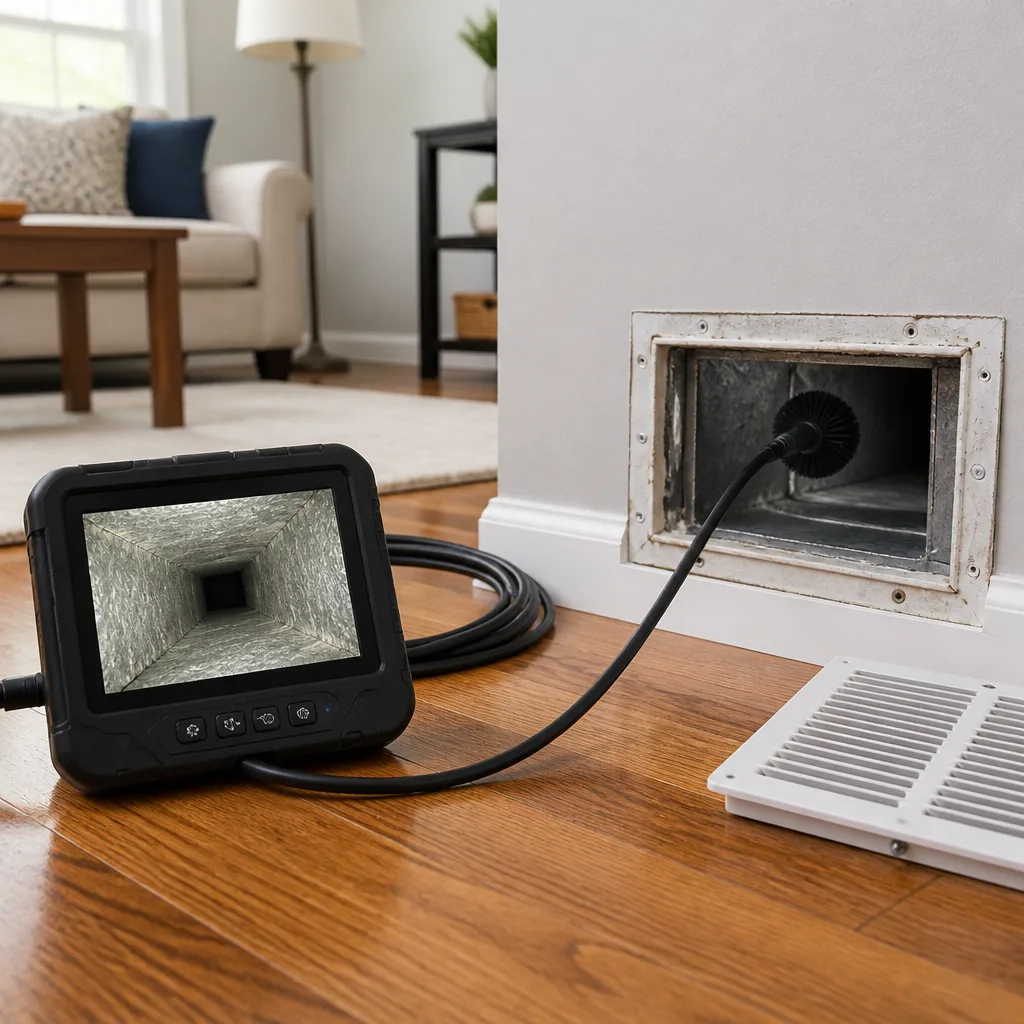
The checklist item for a homeowner here is a single question: “What equipment will you use, and can you show me before-and-after images of the system interior after the job?” A professional will answer both without hesitation.
Common Mistakes to Avoid
The same handful of mistakes turn up again and again in White Rock homes. None of them are exotic. Each is easy to fix once you know to look for it.
- Treating the filter as the whole checklist. A clean filter is necessary and nowhere near sufficient. The attic-side flex duct checks catch the failures the filter never sees.
- Ignoring the dryer vent because it “still works.” A dryer that still dries doesn’t mean the vent isn’t restricted. If drying times have crept up, the vent needs cleared.
- Assuming register airflow is even when it isn’t. One weak register on an otherwise balanced zone is a duct problem, not a filter problem. Run a tissue at each register before scheduling a cleaning.
- Skipping the inspection after a renovation. Drywall and framing dust loads the return system. A recent remodel is a trigger for an inspection, not a substitute for one.
- Cleaning without sealing. If joints are leaking, the debris comes right back. The repair-and-sealing step is part of the job, not an upsell.
- Letting a radiant barrier compress a duct run. Foil sheathing that presses into flex duct or insulation undermines both. Bring it up when you’re in the attic.
- Using a shop-vac “cleaning” and calling it done. Consumer equipment cannot properly clean a duct interior. Surface dust removal is not a system clean.
See the difference
 Before
 After
 Before
 After
 Before
 After
When to Call a Professional
Call a professional when any of the self-checks flag something you can’t verify with a flashlight: a register that’s clearly weaker than its neighbors, a filter loading twice as fast as it used to, an odor that follows the cooling season, an attic flex run that looks crushed or disconnected, or a dryer vent that has slowed down. Also call if your home has occupants with allergies, if you’ve just finished a renovation, or if the system is 15 years or older and hasn’t been professionally inspected. Self-checks tell you when to look; they can’t tell you what’s happening inside the duct interior. That takes a camera, a gauge, and a technician who reads them. Air Duct Cleaning White Rock offers free estimates in White Rock - call (855) 337-2035.
Frequently Asked Questions
There is no fixed number, but a reasonable baseline is a professional inspection every few years for a low-variable household, with shorter intervals for homes with pets, recent renovations, allergies, or an older system. In White Rock’s long cooling season, the system runs many hours, so filter loading and register airflow are your best monthly signals. Call (855) 337-2035 for an exact quote - estimates are free.
You can safely look, but not handle. Walk on marked paths, never step across joists, and look from a distance for flex duct sag, radiant barrier contact, displaced insulation around boots, and slipped joints. Any of these warrants a professional. Do not attempt to reconnect flex duct yourself.
Cheaper quotes usually mean a surface-only clean with a shop vacuum rather than professional-grade Rotobrush or Nikro equipment, no camera inspection, and no repair-and-sealing step. If the crew isn’t inspecting and sealing, the debris comes back. A written estimate for the full scope is the fair comparison, not the headline price. Call (855) 337-2035 for an exact quote - estimates are free.
Ask to see before-and-after images of your own system interior, and ask for the static pressure readings before and after. Professional equipment produces those records; a vacuum pass doesn’t. A crew that can’t show them hasn’t done the work you’re paying for.
Yes. The dryer vent is a separate duct system that shares the pressure and heat load of your house, and lint restriction raises static pressure in ways that affect both the dryer and, in chase-shared setups, the HVAC system. A lint-clogged dryer vent is the leading fire risk in residential laundry setups. Schedule air duct cleaning and the dryer vent together and you get a single inspection that covers both.
Cleaning removes debris from inside the ductwork. Sealing closes the joints and connections that let debris back in and let conditioned air escape. Cleaning without sealing means the debris returns. Sealing without cleaning means you’re sealing dirty ducts. The two steps should be done together, and our Air Duct Cleaning White Rock and Duct Repair & Sealing services are scheduled as a single job for that reason.
The Bottom Line
The checks that matter most are the ones a standard list leaves out: the attic flex runs, the pressure symptoms, and the dryer vent. A monthly tissue test at your registers, an occasional look above the ceiling, and a note on filter loading give you early warning of the same problems a professional would find with instruments. When the self-checks flag something, get a written estimate for the full scope, confirm the equipment and the repair-and-sealing step, and ask for before-and-after images. One call covers the whole system: cleaning, sanitizing, repair, and sealing, from a team that reads the same signals you can learn to see.
Call (855) 337-2035 for a free estimate. We answer 24/7. Fast dispatch from 7am to 7pm, Sunday through Friday.
Written by the team at Air Duct Cleaning White Rock.