
Last updated November 23, 2026
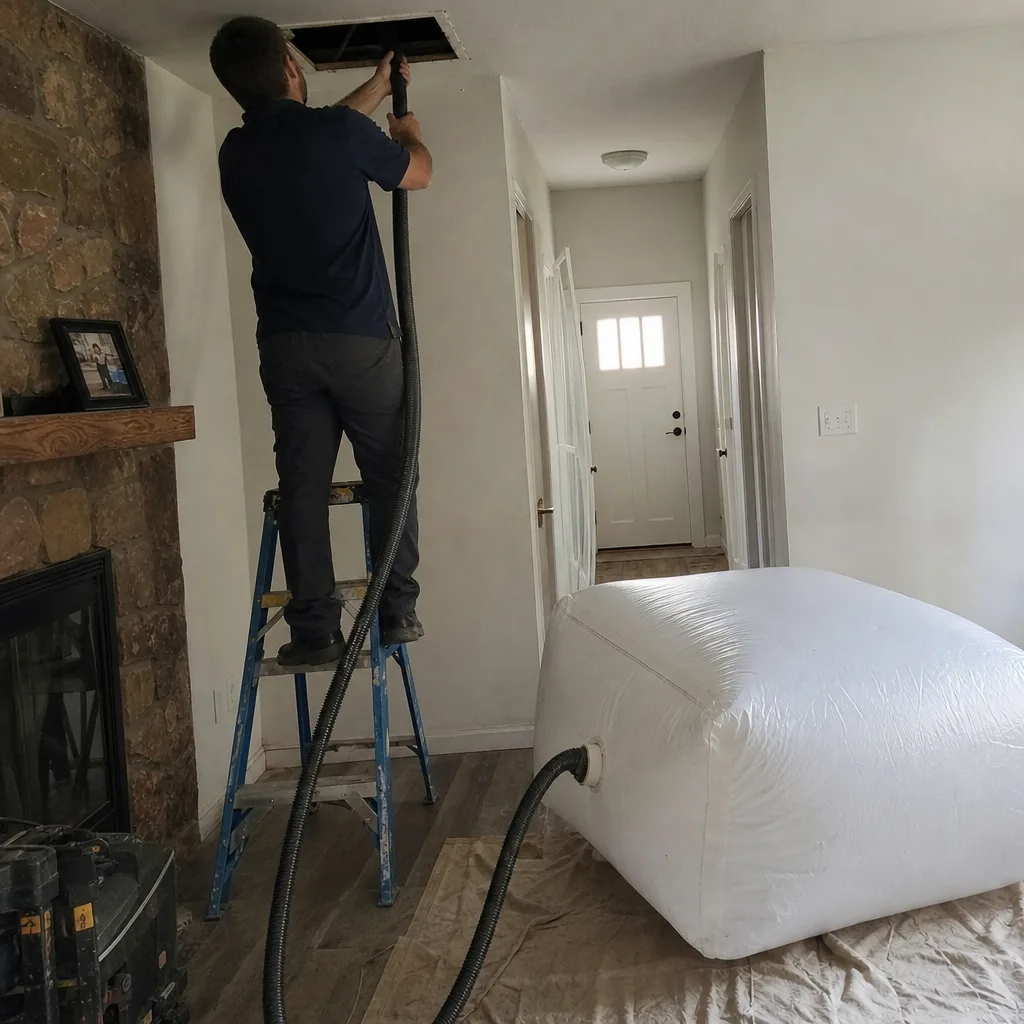
 Whole-home duct cleaning
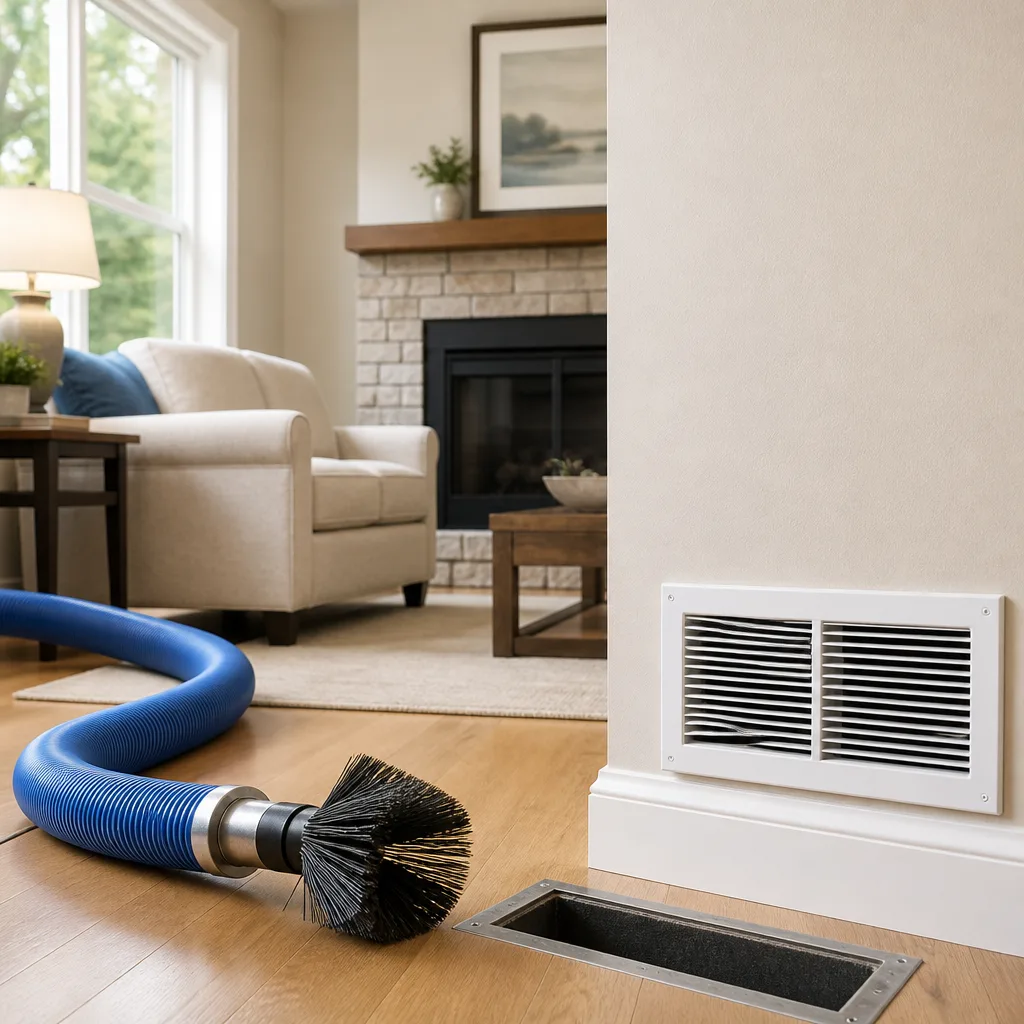
 Dryer vent cleaning
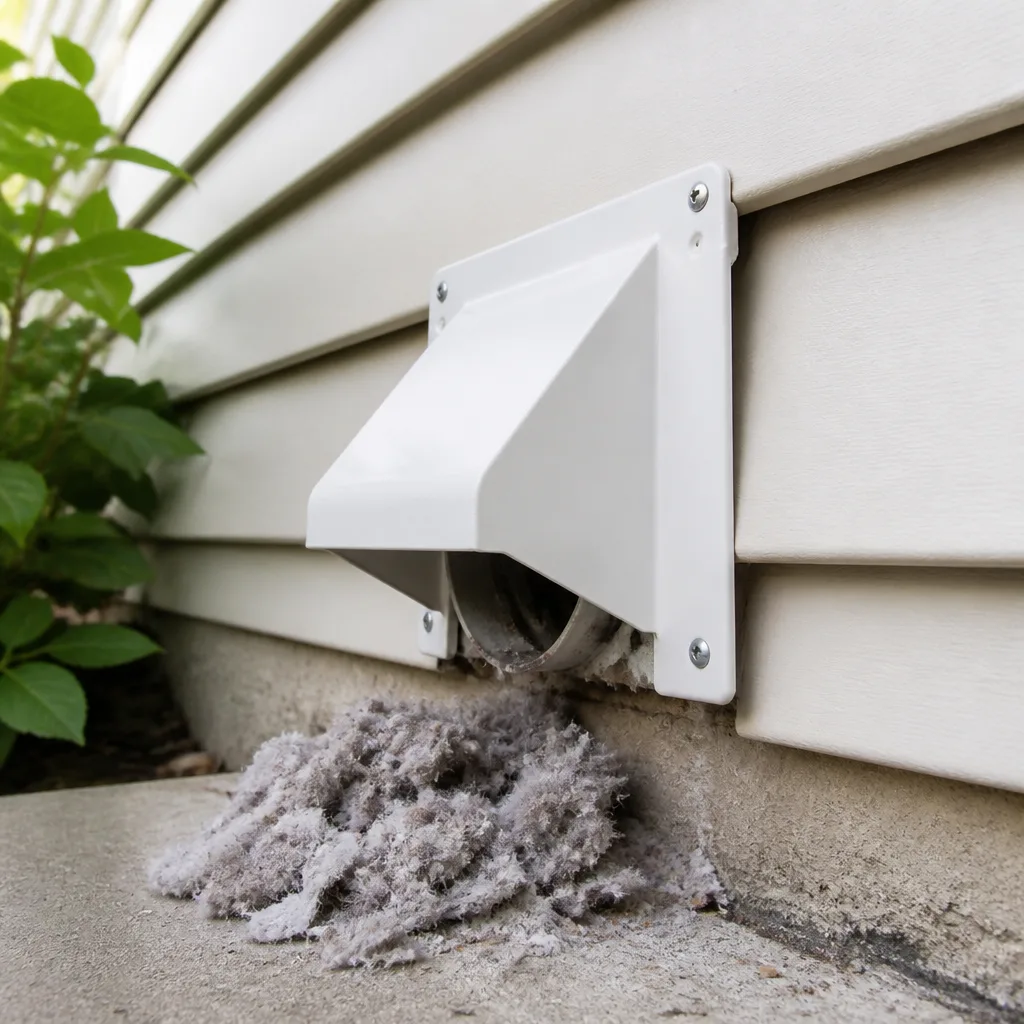
 Camera inspection
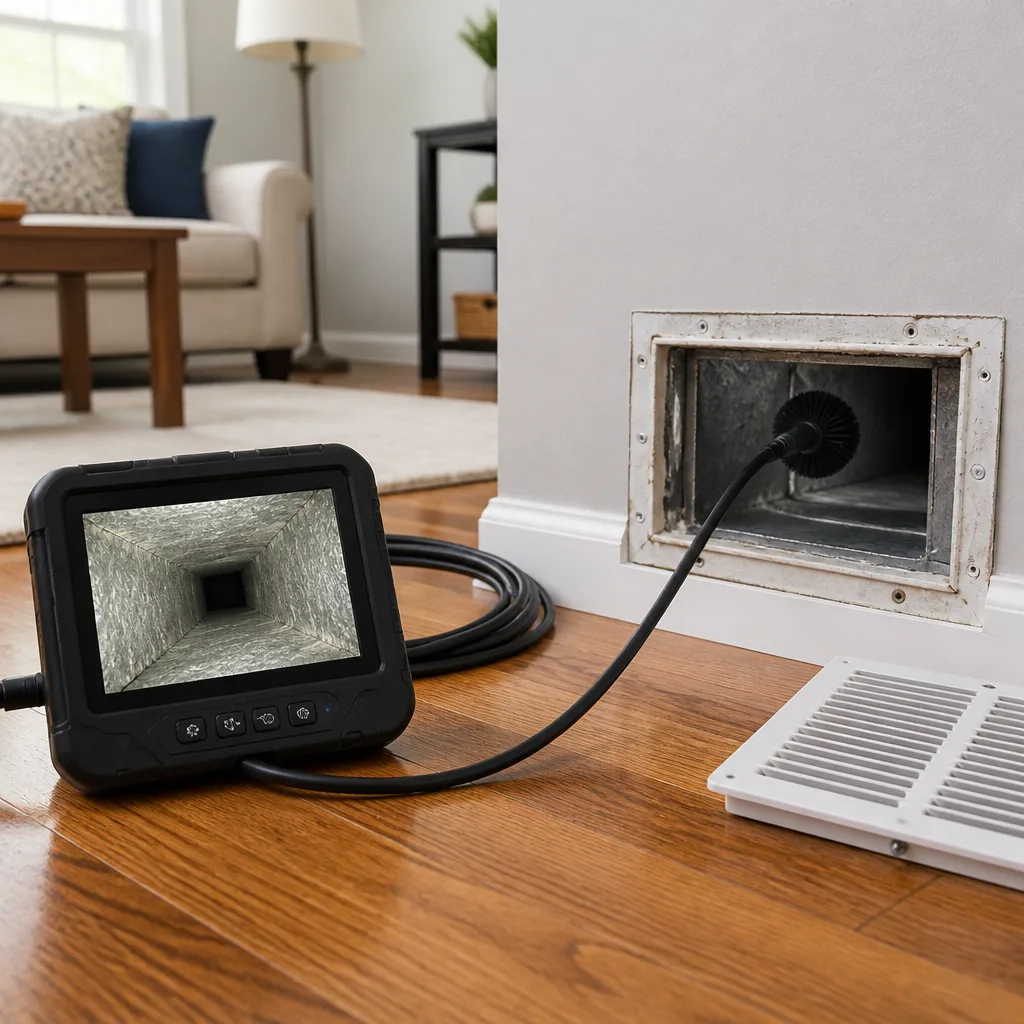
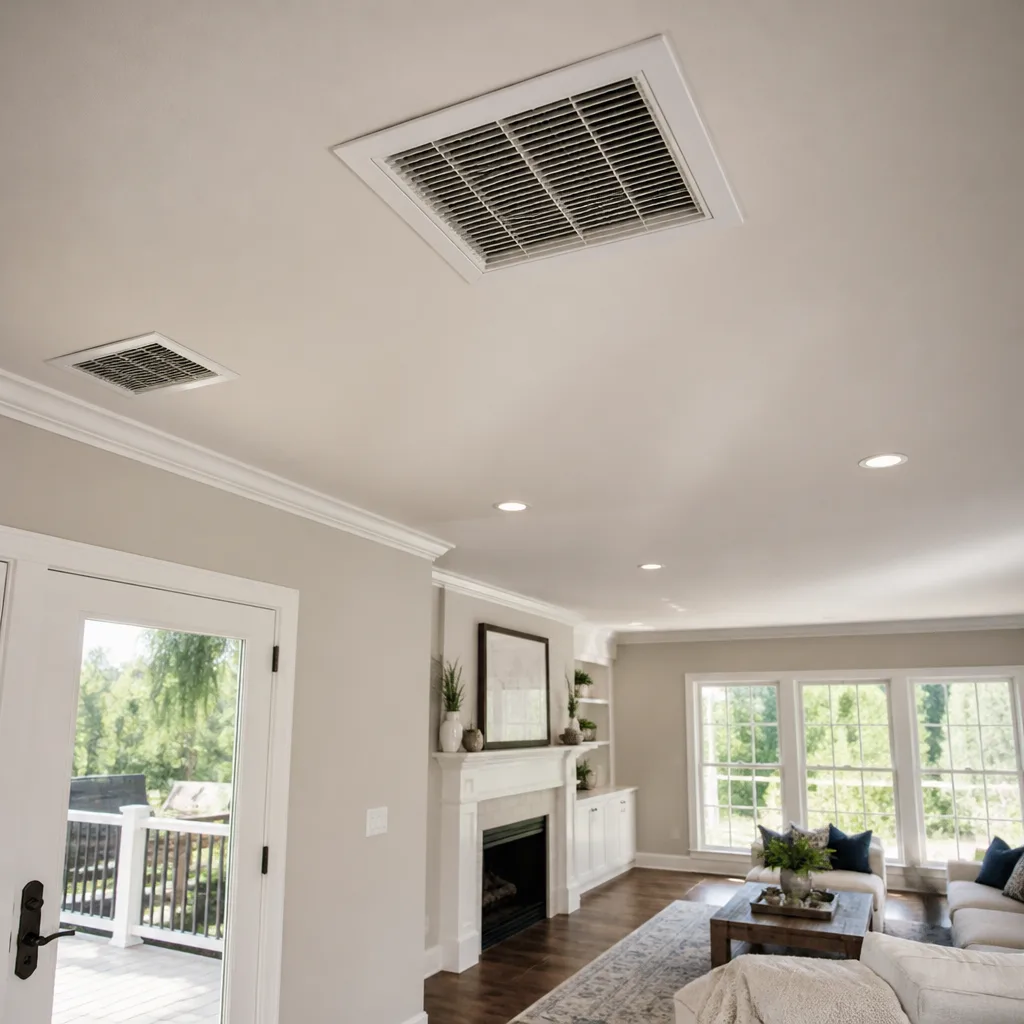 Sanitizing & deodorizing
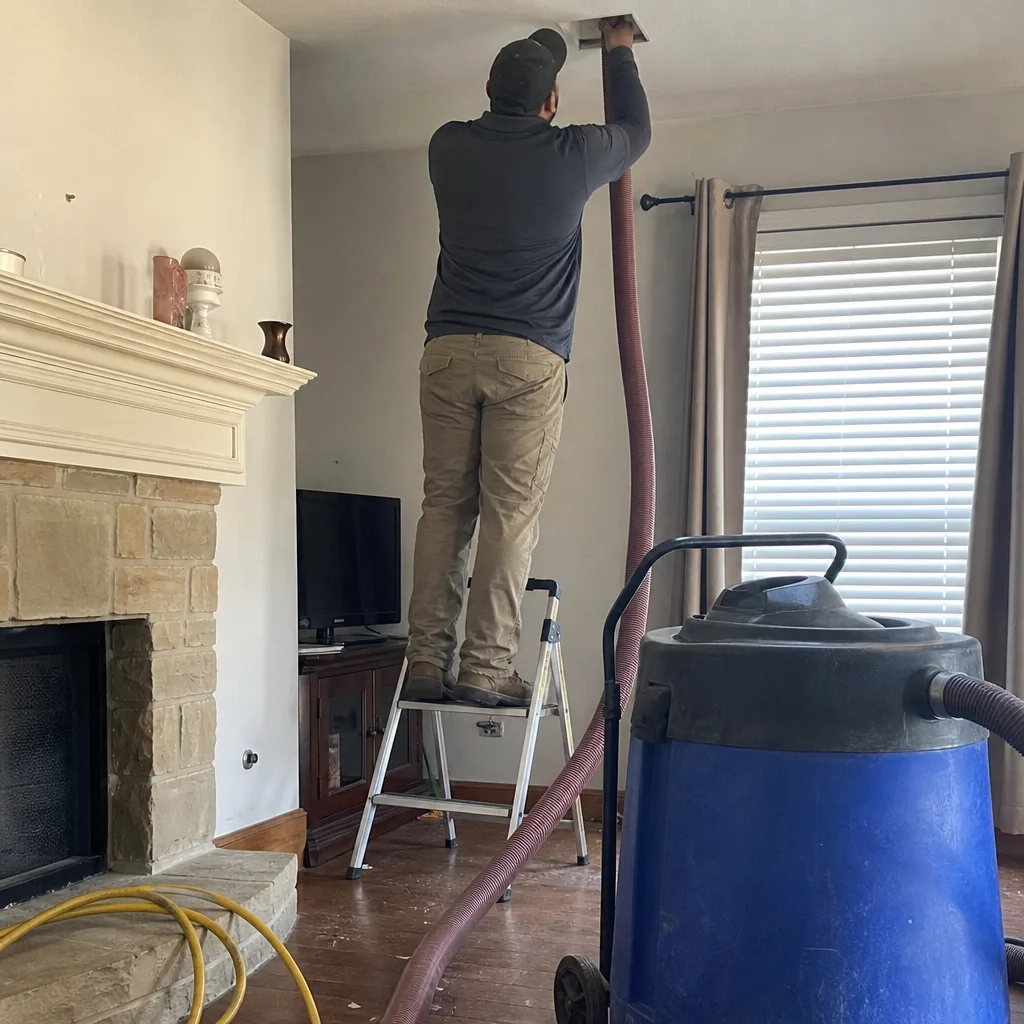
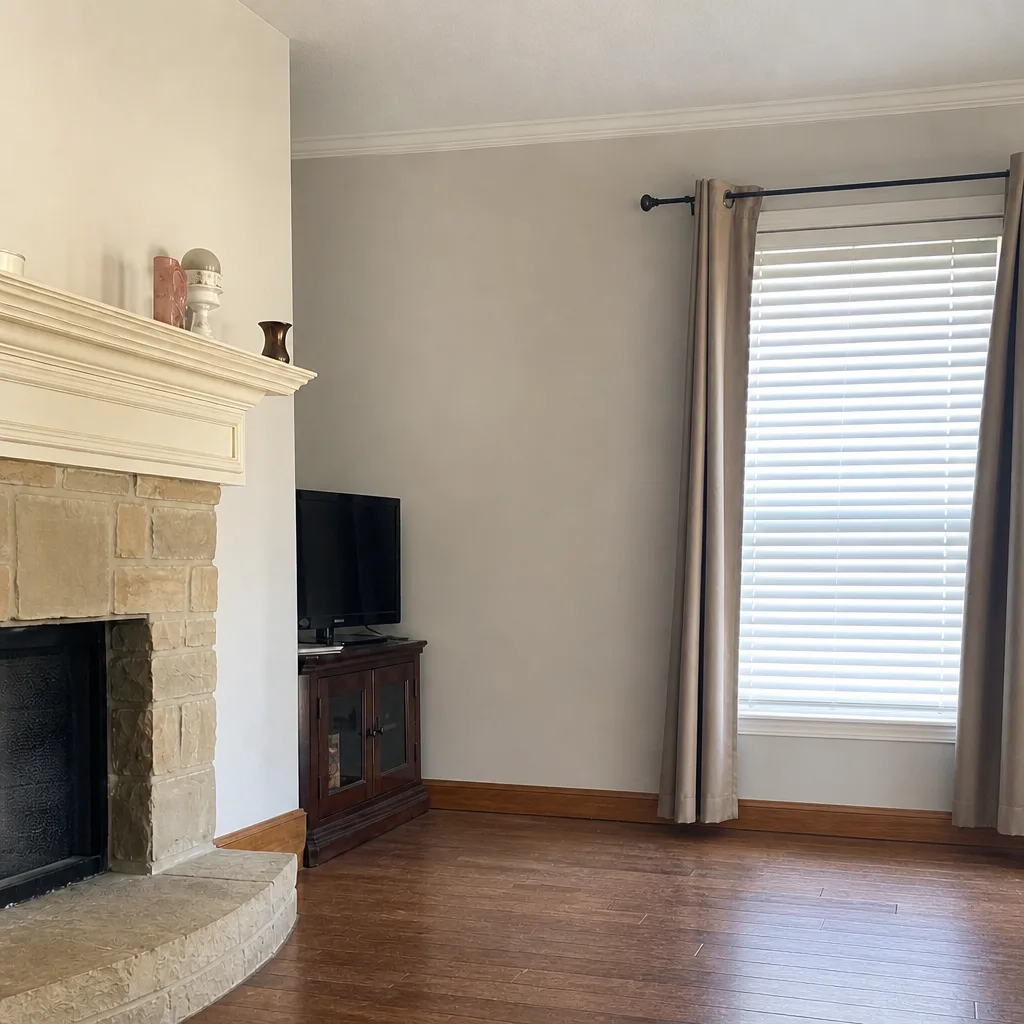
Whole-system duct and dryer vent check with before-and-after photos - you see exactly what came out of your vents
That "$99 whole-house special" is a bait ad - the real number appears once they are in your hallway, or the "clean" is a shop-vac at the register. We photograph the inside of your ducts before and after instead.
The Complete Guide to Air Duct Cleaning in White Rock
Most people picture their ductwork as one long tube running behind the walls. It isn’t. A residential air system is a set of distinct components – supply trunks, return plenums, flex branches, registers, and the air handler – and each one collects a different kind of debris at a different rate. A crew that cleans only the branches hanging off the main line but never opens the return plenum has cleaned roughly the half of the system that pushes air out, while the half that pulls every cubic foot of air through your home first stays untouched. That return side is where the heaviest loading builds up. This guide breaks the system into its real parts, explains what accumulates in each, and shows you how to verify a cleaning was actually complete.
Quick Answer
Air duct cleaning in White Rock means removing accumulated dust, pollen, and debris from every component of the system – supply trunks, return plenums, flex branches, registers, and the air handler – using source-removal equipment rather than a shop-vac or a blow-and-collect pass. A proper job follows the source-removal standard: debris is dislodged and captured, not pushed into the living space. Because White Rock’s clay-heavy soil and seasonal wind events drive fine particulate into return grilles faster than in many other areas, a component-by-component cleaning and a subsequent sealing of leaks is the most durable approach.
Styles & brands we work with
- Whole-home duct cleaning
- Dryer vent cleaning
- Camera inspection
- Sanitizing & deodorizing
Table of Contents
- Why Duct Condition Matters More Than You Think
- The Anatomy of a White Rock Duct System
- White Rock’s Clay Soil and Wind Events: Why They Matter for Your Ducts
- Source-Removal Cleaning vs. Blow-and-Collect
- What “Sanitizing” Actually Means
- How to Verify Your Cleaning Was Complete
- The Five Services and When You Need Each
- Frequently Asked Questions
Why Duct Condition Matters More Than You Think
Ducts are not passive pipes. Every time your air handler cycles, the system moves a large volume of air through passages that were typically installed years ago and rarely inspected since. Dust accumulates on the interior walls of the supply trunk. The return plenum pulls in whatever is suspended in the air near the intake – and that intake is often in a hallway or a utility closet near the garage, the laundry room, or a doorway where outdoor air enters.
The consequences compound. A loaded return plenum restricts airflow, the blower works harder, and static pressure rises across the system. That pressure finds weak joints and pushes conditioned air into unconditioned spaces – attics, wall cavities, crawlspaces. You pay to cool or heat air that never reaches your living room.
There’s also the contamination loop. Once debris coats the interior of the ducts, the moving air keeps re-suspending fine particles that pass through standard filters. Filters catch what’s airborne at the intake, but they don’t clean the walls of the duct behind them. That’s a separate physical job.
We’ve worked in enough White Rock homes to see the pattern clearly: the homes with visible dust settling on furniture and frequent allergy complaints almost always have a loaded return side and unsealed supply joints. Cleaning alone helps, but cleaning plus sealing solves the root cause. This guide focuses on both.
The Anatomy of a White Rock Duct System
To understand why a partial cleaning is wasted work, you need to know what each part of the system does and what collects inside it. Here’s the component-by-component breakdown.
1. Return Plenum and Return Drops
The return side pulls air back to the air handler. In most White Rock homes it includes a central return plenum and one or more return drops. This is the heaviest-loading part of the system because it draws the dirtiest air – air that has already passed through the living space – through a relatively large opening. Dust, pet hair, lint from laundry, and fine clay particulate all concentrate here. A cleaning that bypasses the return plenum misses the most contaminated section.
2. Supply Trunk Lines
After the air handler, conditioned air travels through the supply trunk, a larger rectangular or round main line, before branching off. Interior walls of the supply trunk collect a lighter, finer dust film than the return side, but in older homes the trunk may also carry construction debris, drywall dust, or loose insulation fragments from the original install. The trunk needs to be mechanically agitated and vacuumed, not just swept with a brush.
3. Flex Branches and Takeoffs
The branches that run from the trunk to individual rooms are typically flexible insulated duct. Flex duct has ridges and corrugations where dust catches. It also sags and kinks if it was installed hastily, which creates dead spots that no airflow reaches. A proper cleaning treats each branch individually; a blow-and-collect approach tends to flush the trunk but skip the long, low-airflow branches entirely.
4. Registers and Grilles
The visible registers in each room are the final delivery point. They collect dust on the face and inside the boot where the branch meets the floor or wall. Registers should be removed and cleaned separately, not just wiped. The boot – the short transition fitting behind the register – is a common collection pocket for debris that never gets reached without removal.
5. The Air Handler and Evaporator Coil
The air handler houses the blower and, in a cooling system, the evaporator coil. The coil is typically wet during cooling season, and a damp coil catches dust and biological growth quickly. Cleaning the air handler is distinct from cleaning the ducts – it’s one of the five core services we offer. A dirty coil limits both airflow and heat transfer regardless of how clean the ducts are.
That’s the full system. A cleaning that addresses only supplies, or only branches, or only the registers is a partial job. Understanding the components is the first step toward judging whether a quote covers what you’re actually getting.
White Rock’s Clay Soil and Wind Events: Why They Matter for Your Ducts
Local soil and weather directly affect how fast duct systems load up. In White Rock, two factors push particulate into homes faster than in many other areas.
Clay-heavy soil. North Texas is dominated by expansive clay. When it dries out in summer, it cracks and releases fine, powdery clay particles into the air. Those particles are small enough to bypass coarse filters and settle inside ductwork. When wind picks up and the ground is dry, clay dust becomes airborne in volume, and return grilles capture a share of it every time the system runs.
Seasonal wind events. Spring and early summer bring sustained wind and dust events across the region. Homes with return grilles near doors, garage-adjacent utility closets, or open hallways pull that outdoor dust inside continuously. If your return plenum is already coated, fresh clay dust adheres to the existing film and builds faster.
Two practical implications follow:
- Return-side cleaning is not optional in White Rock. It’s the component most exposed to local particulate loading.
- Sealing leaks at supply joints and return boots reduces how much outdoor dust bypasses the filter entirely. That’s why the repair-and-sealing service matters here as much as cleaning.
If your system has never been cleaned and your home sits near open ground or construction activity, we’ve seen the return side load heavily within just a few cooling seasons. An inspection tells you where your system actually stands.
Source-Removal Cleaning vs. Blow-and-Collect
The cleaning method matters as much as the equipment. There are two broad approaches, and they produce very different results.
Source-Removal Cleaning (the NADCA Standard)
Source-removal cleaning means the debris is physically dislodged from every interior surface and then captured and removed from the system. The process typically includes mechanical agitation – rotary brushes or air whips – followed by high-powered negative-pressure vacuuming that holds the debris in a HEPA-filtered collection unit outside the living space. Nothing is pushed into rooms. The standard is defined by NADCA, the National Air Duct Cleaners Association, and it’s the benchmark a proper job should meet.
The equipment matters. Professional-grade systems from Rotobrush and Nikro are purpose-built for source-removal work: rotary agitation heads, HEPA filtration, and controlled vacuum. These are the same equipment families used by commercial HVAC contractors. A shop-vac and a length of hose won’t do this job – the vacuum isn’t strong enough, the agitation doesn’t exist, and the filtration doesn’t meet the standard.
Blow-and-Collect Approaches
Blow-and-collect services use compressed air or a boosted blower to push loose debris through the ducts while capturing some of it at the far end. When done correctly with negative pressure and enough collection capacity, this can be part of a source-removal process. When done incorrectly – without sufficient vacuum, without agitation, or without opening the return plenum – it dislodges debris and leaves it re-suspended in the system, or worse, pushes it into your living space.
Truck-mount-only services sometimes rely on a single high-pressure pass without the mechanical agitation needed to break debris off the duct walls. Dust that has adhered to an interior surface for years doesn’t release with a light air blast.
How to Tell Which You’re Being Offered
- Ask whether the return plenum and return drops are included.
- Ask whether mechanical agitation – rotary brush or air whip – is used, or just compressed air.
- Ask whether the vacuum runs HEPA filtration and holds negative pressure throughout the job.
- Ask for before-and-after photos of your own ducts. A source-removal job can show you the difference.
- Ask whether the air handler and coil are inspected and cleaned as part of the quote.
A quote that can’t answer these clearly is a quote that isn’t promising a source-removal clean. That’s the single most useful filter for sorting through bids.
What “Sanitizing” Actually Means
“Sanitizing” gets used loosely in this trade. It’s worth knowing what the word can and can’t claim, because the chemical products differ widely.
EPA-Registered vs. Non-Registered Products
In the US, any product that makes antimicrobial or sanitizing claims on a label must be registered with the EPA under the Federal Insecticide, Fungicide, and Rodenticide Act (FIFRA). That registration is a legal category, not marketing language. A product with an EPA registration number has been reviewed for the specific claims on its label – which surfaces it can be applied to and what it kills. A product without registration can still be sold and used as a cleaner, but it can’t legally make the same claims.
For ductwork, the distinction matters. HVAC surfaces include metal, flex duct liner, insulation, and the air handler housing – materials that a household disinfectant may not be labeled to treat. Ask whether the sanitizing product is EPA-registered for HVAC surfaces specifically. A product labeled for hard, non-porous surfaces and applied to fiberglass duct liner isn’t a valid sanitizing job.
When Sanitizing Is Appropriate
Sanitizing is a reasonable additional step when:
- Biological growth – visible mold or musty odor – is present inside the system.
- The system has been subject to water intrusion or a pest issue.
- Prior occupants had pets, and odor is persisting after cleaning.
It isn’t a substitute for cleaning. A sanitizer applied to a dirty duct surface doesn’t penetrate a dust film. The correct sequence is: clean first, then apply the sanitizing product to clean surfaces. That’s why product quality matters – a Guardsman-grade product applied after a thorough source-removal clean protects the cleaned surface against re-contamination and controls odors. A cheap fogger applied before cleaning is not the same service.
If a company offers “sanitizing” as a standalone upfront fee before the ducts are cleaned, ask what product they use and whether it’s EPA-registered for HVAC surfaces. The answer tells you whether the step is meaningful.
How to Verify Your Cleaning Was Complete
You don’t need to climb into the attic to check. A few simple checkpoints give you real evidence about whether the job covered the whole system.
Before the job starts
- Ask which components are included: return plenum, return drops, supply trunk, flex branches, registers, air handler. Get it in writing.
- Ask for before photos of the return plenum and supply trunk. A service offering source-removal can show you the loading before they begin.
- Confirm whether any leaks found during cleaning will be reported. Sealing is the natural completion step.
After the job is finished
- Ask for after photos of the same locations. Compare with the before shots – the return plenum and trunk should visibly differ.
- Open two or three registers and look at the boot behind them. The boot interior should be visibly cleaner, not just the grille face.
- Run the system and watch the register airflow. A cleaned and sealed system typically feels stronger at the supply registers; if airflow seems unchanged and a leak was noted, ask about sealing.
- Smell the air in the first hour. A properly cleaned, sanitized system shouldn’t release a strong chemical odor – only a faint, brief product smell that clears quickly.
- Check the floor under each return grille in the days after. If fine dust appears there that wasn’t there before, call the company back – that’s a sign debris wasn’t fully captured.
What Checkpoints Reveal
- Photos from the truck that don’t correspond to your home’s ductwork mean the job wasn’t documented.
- No after-photos at all is a red flag in a service that can easily produce them.
- Dust on the return face after the visit usually means the return plenum was skipped or under-cleaned.
None of these checkpoints require special tools. They just require the company to be willing to show you the work.
The Five Services and When You Need Each
Duct cleaning is one part of a full-system job. We’ve organized our services into five distinct scopes, and each addresses a different part of the problem. Here’s when each applies.
1. Air Duct Cleaning
This is the component-by-component source-removal cleaning described earlier – return side, supply trunk, branches, registers, air handler inspected. For most homes it’s the core service. For an overview of what that service involves in White Rock, see air duct cleaning.
2. Dryer Vent Cleaning
The dryer vent is separate from the HVAC ductwork but equally important. Lint accumulates in the exhaust run and reduces the dryer’s efficiency; in severe cases it becomes a fire risk. A clogged vent pushes hot, moisture-laden air back into the laundry room and stresses the dryer. If your laundry room feels humid during cycles or your dryer takes longer than it used to, the vent is likely the reason. You can read more on dryer vent cleaning.
3. HVAC Cleaning
HVAC cleaning covers the air handler, evaporator coil, and blower. A dirty coil restricts heat transfer and strains the compressor; a dirty blower wheel loses airflow regardless of how clean the ducts are. Cleaning the HVAC components and cleaning the ducts are complementary jobs, and often they’re best done together. Details are on HVAC cleaning.
4. Air Quality and Sanitizing
This layer adds filtration and treatment beyond source removal. Products from Honeywell, Aprilaire, and Abatement Technologies handle air quality and filtration work – the same brands used in commercial and medical settings. Post-clean sanitizing with Guardsman-grade products addresses odors and biological growth on cleaned surfaces. This service is appropriate when family members have respiratory concerns, when a musty odor persists, or when prior occupants left a lasting smell in the system.
5. Duct Repair and Sealing
This is the step most cleaning-only services skip. Ductwork develops leaks at joints, takeoffs, and boots – especially in attics where temperature swings stress the connections. A leaky joint pushes conditioned air into unconditioned space, drawing outdoor dust in. Sealing closes the gaps and reduces future contamination. It’s the reason we treat repair and sealing as a service in its own right rather than an upsell.
One company handling all five avoids the coordination problem of splitting a system across contractors. And Air Duct Cleaning White Rock is where that whole-system approach begins.
Common Mistakes to Avoid
- Hiring on price alone without asking about the return plenum. The return side is the most contaminated part of the system. A quote that excludes it is a partial clean regardless of how attractive the price looks.
- Assuming a truck-mounted vacuum is the same as source-removal. Truck-mount equipment can be excellent, but it isn’t automatically source-removal. Ask whether the crew uses mechanical agitation – rotary brush or air whip – inside the ducts and whether negative pressure is maintained throughout the job.
- Accepting sanitizing as a standalone upfront charge. Sanitizer applied to a dirty surface doesn’t reach what’s underneath. It should come after cleaning, using a product that’s EPA-registered for HVAC surfaces.
- Skipping the air handler and coil. Even a fully cleaned duct system runs inefficiently if the coil and blower are loaded. Ask that they’re inspected and, if needed, cleaned in the same visit.
- Ignoring a humid laundry room. A dryer vent that isn’t exhausting properly is a genuine safety issue in White Rock homes where laundry rooms sit away from an exterior wall. Don’t defer a dryer vent cleaning if you notice the dryer running hot or the room feeling damp.
- Not asking for before-and-after photos of your own system. A crew that can’t produce photos of your return plenum and supply trunk before and after the job hasn’t given you any way to verify the work.
- Skipping sealing after cleaning. Cleaning removes what’s there; sealing prevents what comes back through leaky joints. In White Rock, where clay dust and wind events drive outdoor particulate inside, unsealed supply joints pull that dust in on every cycle.
See the difference
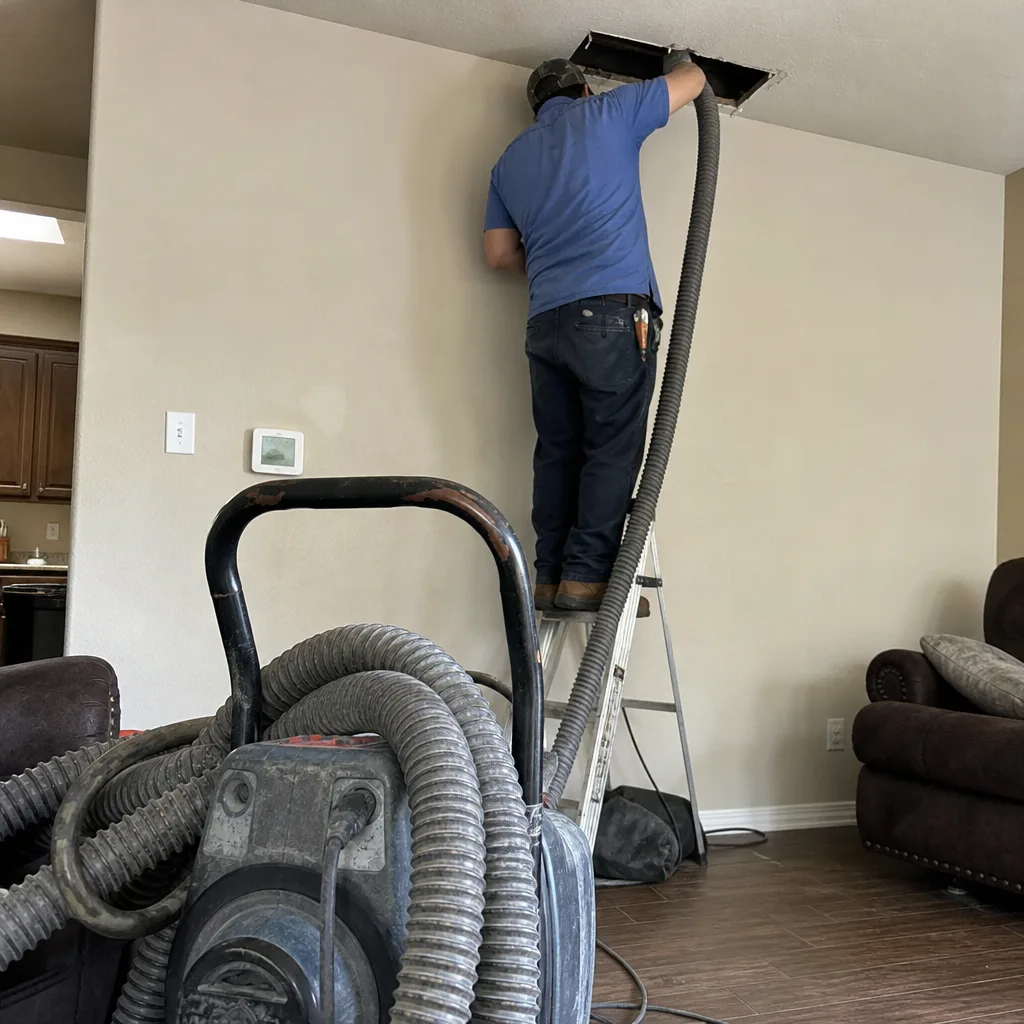 Before
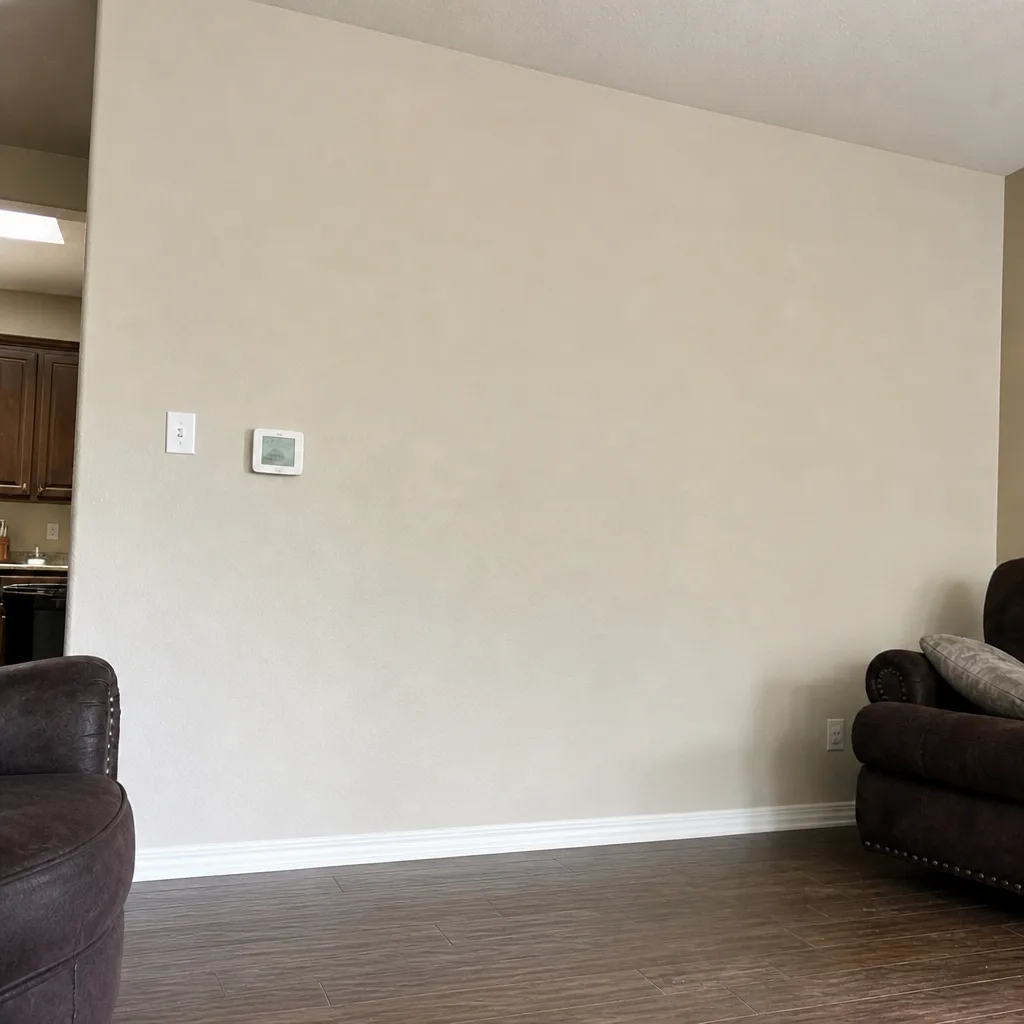 After
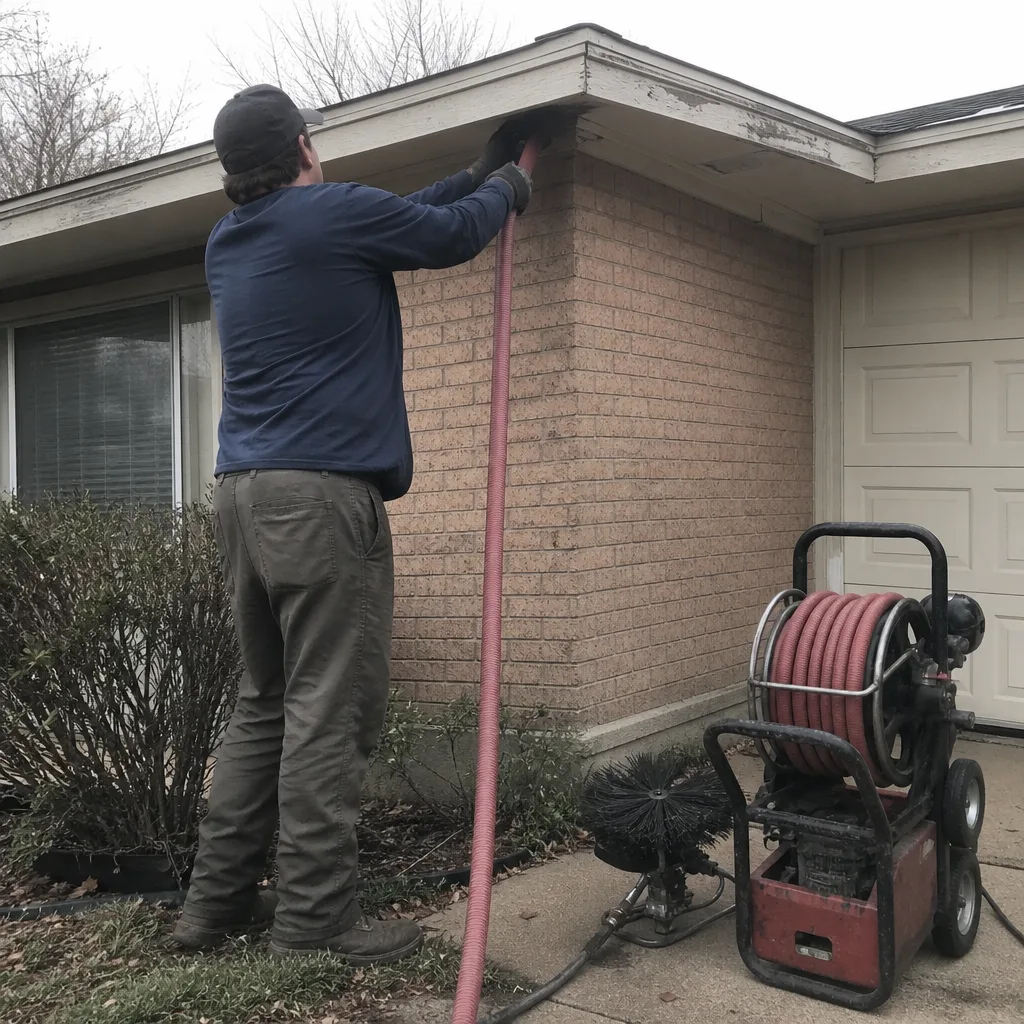 Before
 After
 Before
 After
When to Call a Professional
Some jobs are worth investigating yourself, but a full-system inspection and cleaning is a professional job. Call us when:
- You’ve never had a duct cleaning and the home is more than a few years old – the return plenum is likely loaded.
- You see visible dust settling on furniture soon after cleaning it, especially near return grilles.
- Family members have respiratory or allergy complaints that seem worse indoors.
- Your dryer runs longer or the laundry room feels humid during a cycle.
- You notice a persistent musty or stale smell when the system cycles on.
- A previous cleaning was done with a light pass or without opening the return plenum.
- You’ve had a construction or remodeling project that generated fine dust inside the home.
Air Duct Cleaning White Rock offers free estimates in White Rock – call (855) 337-2035. We answer 24/7. Fast dispatch from 7am to 7pm, Sunday through Friday. Every job runs on a single flat price per system, agreed before work starts, with before-and-after photos of your own ducts as standard.
Frequently Asked Questions
Most homes in White Rock fall into a range based on the number of registers, the size of the trunk, and whether sealing is included – the written estimate sets the final price after we’ve seen the system. We price per system, not per vent, so the number you agree to up front is the number you pay. Call (855) 337-2035 for an exact quote – estimates are free.
Cheaper quotes usually cover less of the system, not more for less – often skipping the return plenum, mechanical agitation, or both. A low per-vent price that turns into a larger invoice once the technician is on site is the most common complaint in this trade. Ask what each quote includes component by component. Call (855) 337-2035 and we’ll walk you through what a full-system clean involves.
Photos of your own ducts are the single most reliable check, followed by inspecting the boot behind two or three registers after the crew leaves. A complete job produces visible before-and-after evidence at the return plenum and supply trunk. Call (855) 337-2035 to schedule an inspection with documentation.
The general rule of thumb is every three to five years for a typical home, but homes with pets, allergy concerns, recent remodeling, or return grilles near outdoor dust sources in White Rock often need it sooner. A visual inspection is the honest way to decide. Call (855) 337-2035 for a free assessment.
Cleaning removes the physical debris from inside the ducts; sanitizing applies an EPA-registered antimicrobial product to cleaned surfaces to control biological growth and odor. Sanitizing after cleaning helps; sanitizing instead of cleaning doesn’t. We use Guardsman-grade sanitizing products after the source-removal step. Call (855) 337-2035 to discuss whether sanitizing is right for your system.
Often yes – dryer vents are a separate run from the HVAC ducts and load up with lint, which reduces drying efficiency and becomes a fire risk when heavily clogged. If your dryer takes longer than it used to, or the laundry room feels humid during a cycle, the vent is likely overdue. Call (855) 337-2035 and we’ll schedule it alongside your duct cleaning if needed.
The Bottom Line
Your duct system is a set of components, not a single tube. Cleaning the supply side but leaving the return plenum untouched cleans roughly half the system – the half that draws the dirtiest air in first. In White Rock, clay dust and seasonal wind events drive local loading faster than many homeowners expect, and the return side is where that load concentrates. Source-removal cleaning with equipment from Rotobrush or Nikro, followed by sealing and – when needed – sanitizing with an EPA-registered product, addresses the cause rather than the surface. Verify the work with photos and a register check. And when you’re ready, get a single flat price per system, agreed before any work begins.
If your system hasn’t been inspected in years, the fastest way to know where you stand is a call. Reach us at (855) 337-2035 for a free estimate in White Rock. We answer 24/7. Fast dispatch from 7am to 7pm, Sunday through Friday. Our technicians have up to 12 years of experience, and we work to a single flat price per system agreed before work starts, with before-and-after photos of your own ducts.
Written by the team at Air Duct Cleaning White Rock.