
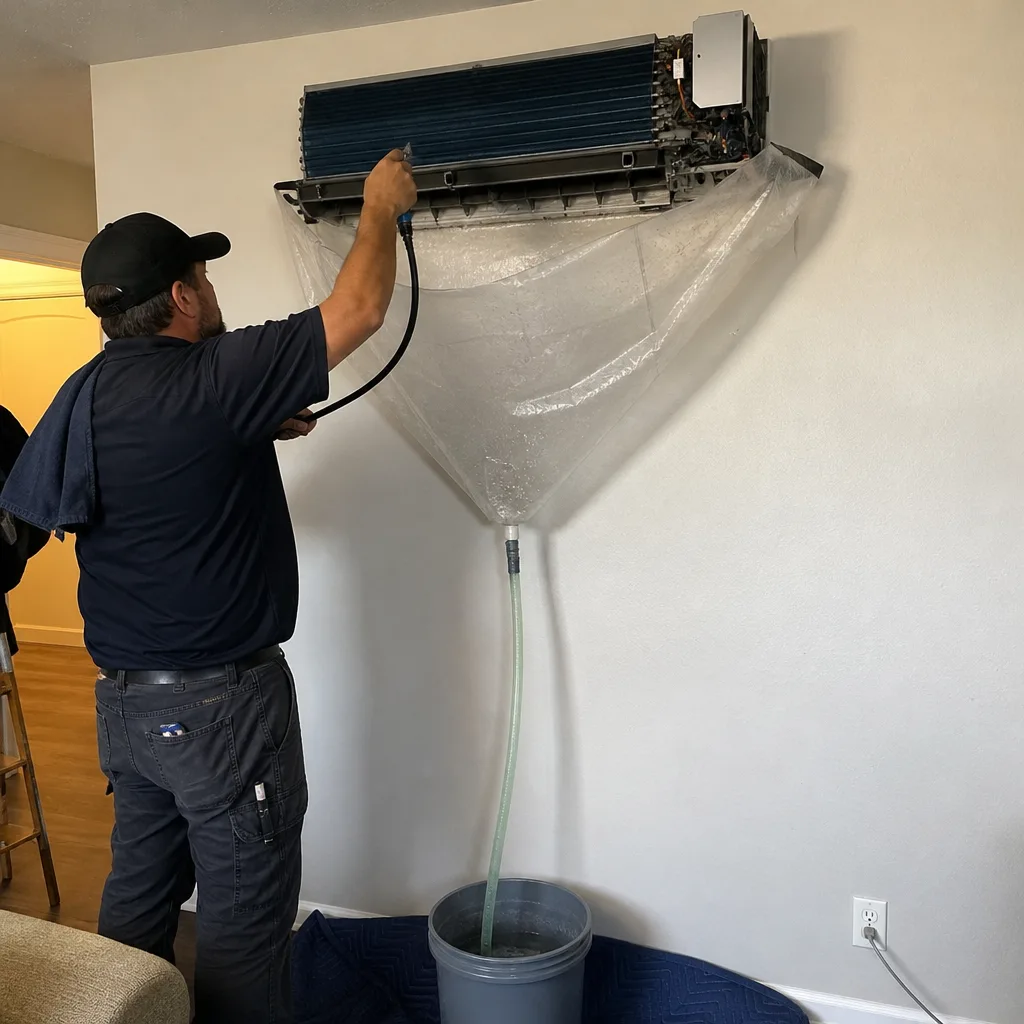
Last updated November 23, 2026
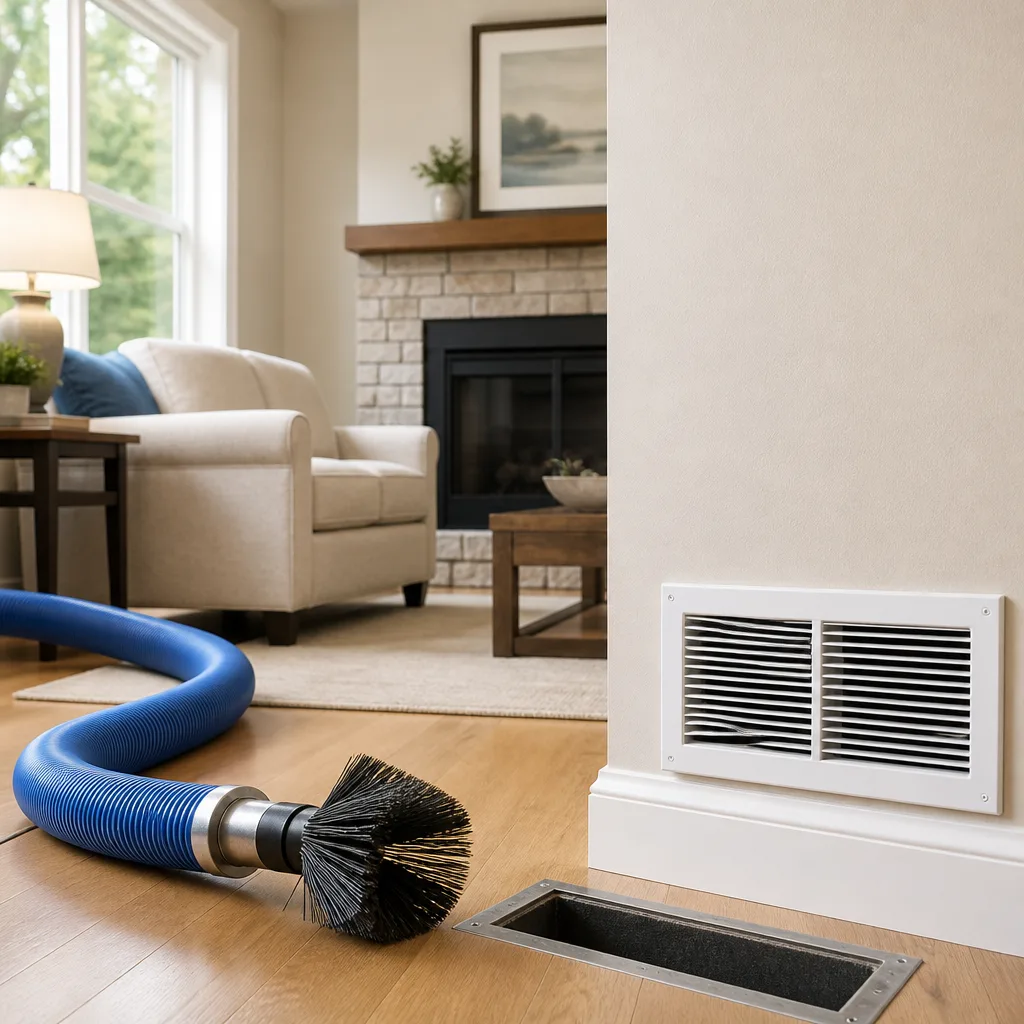 Whole-home duct cleaning
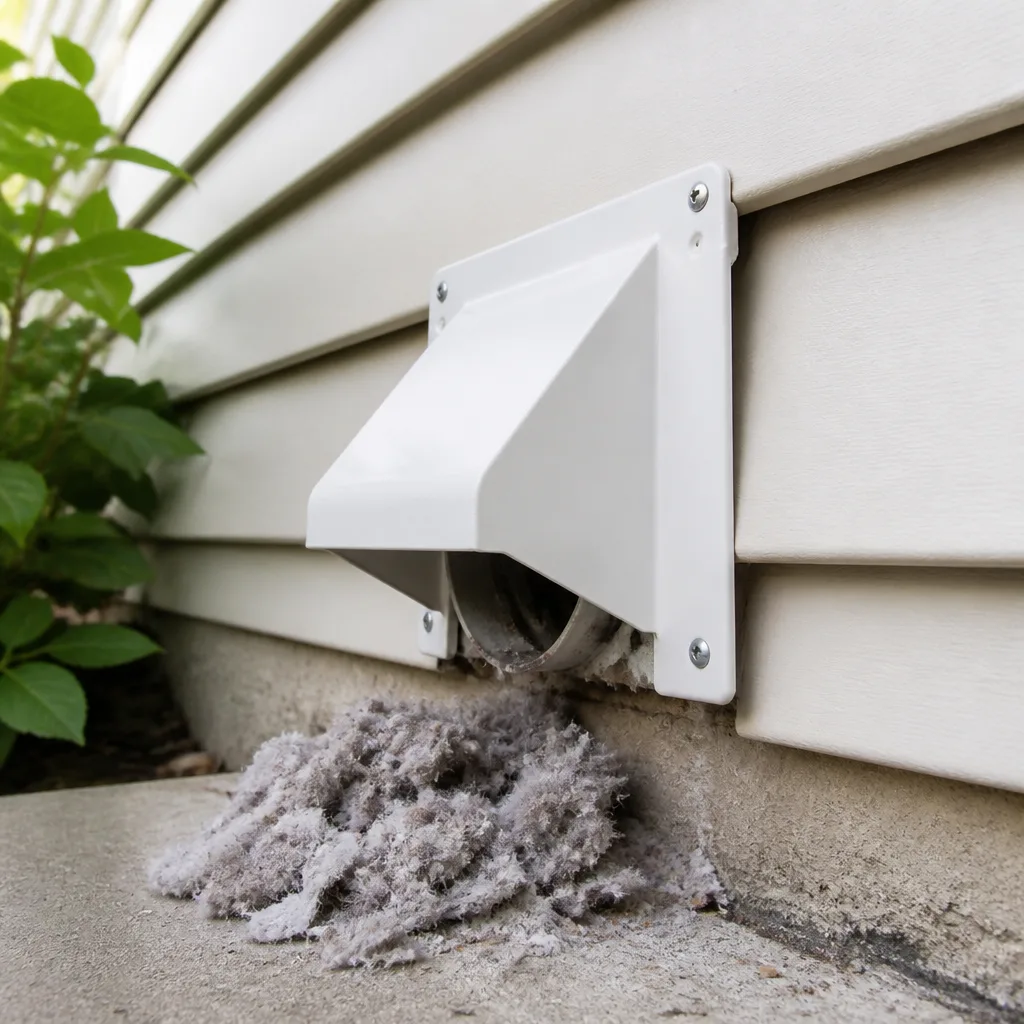 Dryer vent cleaning
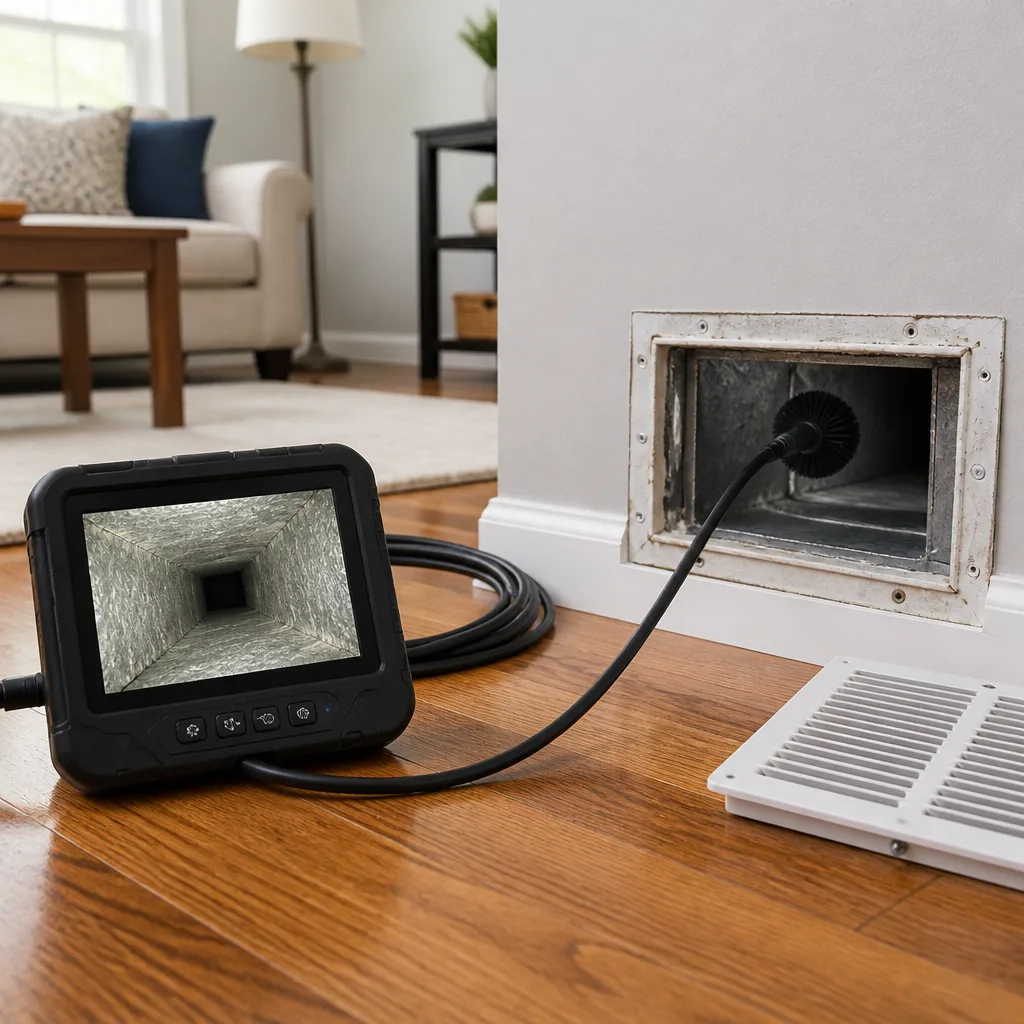 Camera inspection
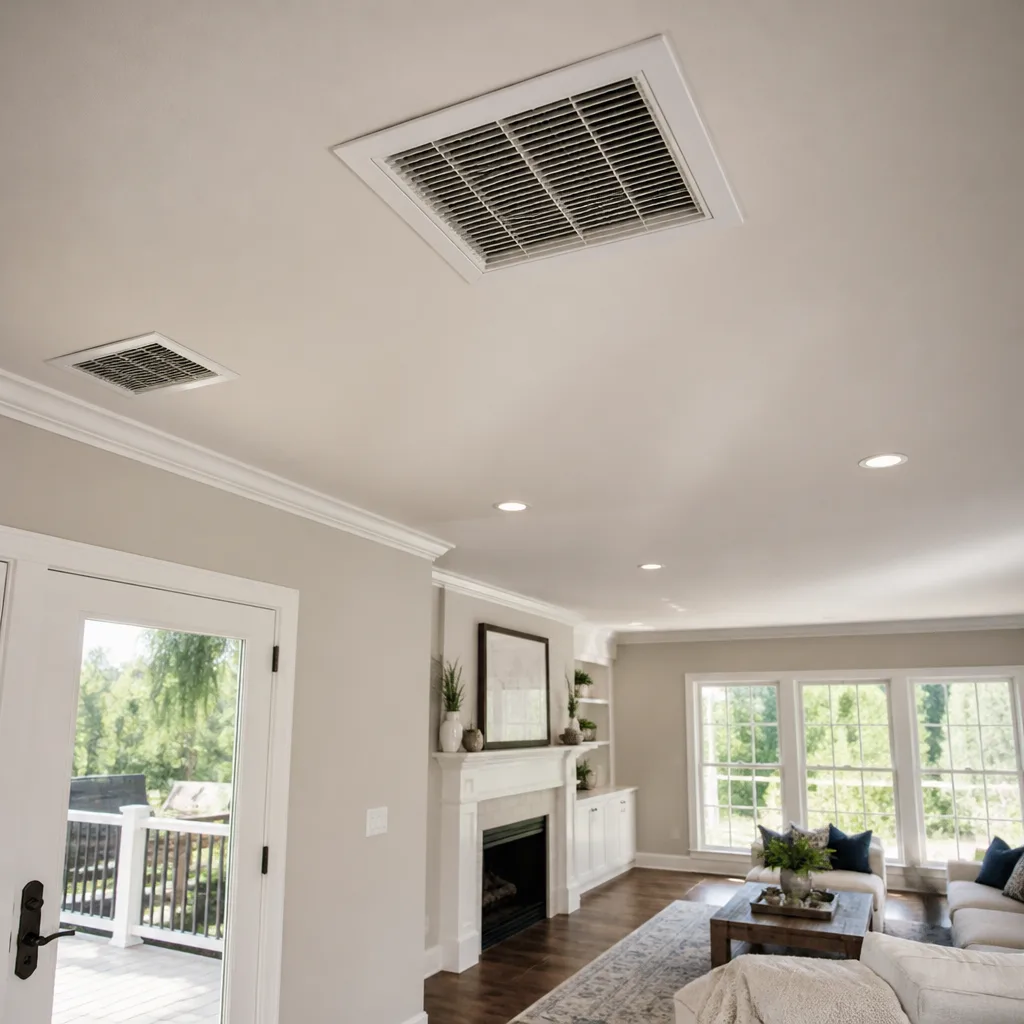 Sanitizing & deodorizing
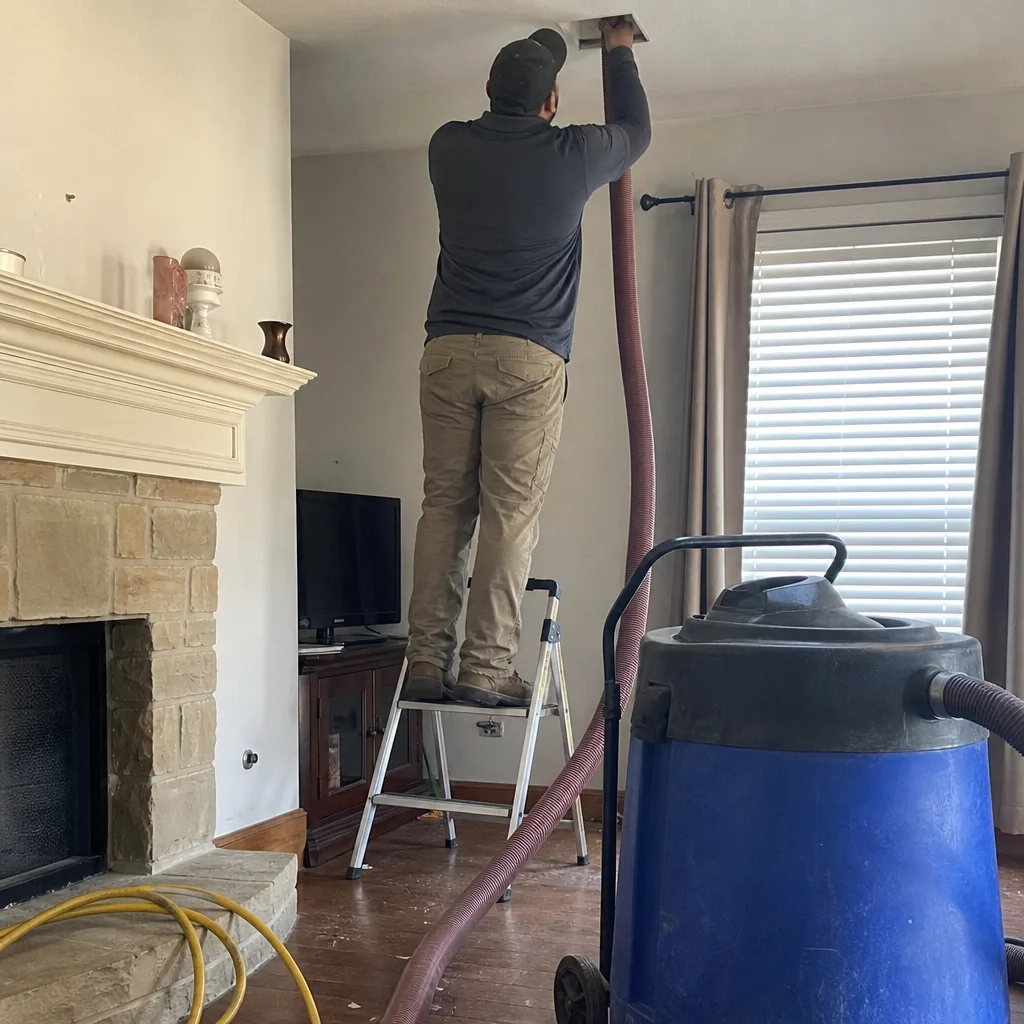
Whole-system duct and dryer vent check with before-and-after photos - you see exactly what came out of your vents
That "$99 whole-house special" is a bait ad - the real number appears once they are in your hallway, or the "clean" is a shop-vac at the register. We photograph the inside of your ducts before and after instead.
Air Duct Cleaning Warning Signs: A White Rock Homeowner’s Reference Guide
Most warning-sign lists tell you to watch for “dusty air” and “allergy symptoms,” which is a bit like diagnosing a car by noting that it makes a noise. Your duct system gives you far more precise clues than that, if you know where to look. A single room that runs four to six degrees warmer than the thermostat setting isn’t a preference issue; it’s a symptom with a location. A dusty supply register isn’t automatically a dirty duct. In this guide, we’ll connect the specific things you can actually see, smell, hear and feel in a White Rock home to the mechanical causes behind them, so that when you call a technician you can describe a pattern instead of a feeling. That precision saves time and usually saves money.
Quick Answer
The clearest signs your ducts need attention are room-to-room temperature swings of four to six degrees, musty or acrid odors that appear only when the system runs, filter loading that returns within two to three weeks, whistling or rattling sounds inside the ducts, and dusty registers that create flow-shaped patterns rather than an even film. Each of these points to a specific mechanical cause, from duct leakage and blockage to microbial growth near the evaporator coil.
Styles & brands we work with
- Whole-home duct cleaning
- Dryer vent cleaning
- Camera inspection
- Sanitizing & deodorizing
Table of Contents
- Room-to-Room Temperature Swings: Mapping What Your Ducts Are Telling You
- Odor Diagnostics by Type: Musty, Acrid, and Chemical
- Reading Dust Patterns at Your Registers
- Filter Loading Rate as a Contamination Indicator
- Sounds That Come From Inside the Ducts
- Moisture, Humidity, and Duct Condensation
- When Cleaning Is Enough and When You Need Repair and Sealing
- Common Mistakes to Avoid
Room-to-Room Temperature Swings: Mapping What Your Ducts Are Telling You
If one room in your home is consistently four to six degrees warmer than the thermostat setting, that’s a diagnostic symptom rather than a comfort preference. Note the word “consistently.” A room that’s warm at four in the afternoon and cool at nine in the evening is responding to sun exposure. A room that’s warm every time the system runs is responding to something in the duct system itself. That distinction is the first thing worth establishing, because it changes what a technician looks for.
Mapping it takes about a week and no equipment. Write down the thermostat setting and the actual measured temperature in each room, at the same time each day, with an inexpensive thermometer. The pattern that emerges is effectively a rough sketch of your system’s topology, the way air actually travels through it rather than the way the floor plan suggests it should.
What the pattern tends to reveal:
- One distant room consistently warmer: usually leakage along a long duct run or a partially disconnected branch. The air never arrives in the quantity it should.
- Several rooms on one side of the home warmer: often a main trunk pressure problem, where the trunk is undersized for the number of branches tapped off it, or where debris has narrowed the trunk.
- Rooms near the air handler comfortable, rooms far away not: classic sign of leaks stealing air before it reaches the end of the run.
- Temperature swings worse in the attic-adjacent rooms: duct runs in unconditioned space are where leakage hurts most, and where sealing pays back fastest.
In White Rock’s mild winters, HVAC systems run more moderate cycles than they would in a colder climate, which can actually hide undersized duct work. During the cooling season, though, long runtimes in a hot attic expose every leak in the system. Many White Rock homes have duct runs through unconditioned attic space, and that’s where temperature mapping most often points first. Before assuming the AC is failing, it’s worth having the ducts evaluated; our Air Duct Cleaning White Rock page explains what that assessment covers.
Odor Diagnostics by Type: Musty, Acrid, and Chemical
Odors are the most underused diagnostic tool a homeowner has, because the type of smell narrows the cause considerably. “Your house smells funny” tells a technician almost nothing. “It smells musty, but only for the first minute after the system starts” tells them where to look. Three odor categories are worth learning.
Musty odors
Musty smells in ductwork usually point to microbial growth, and the location is fairly predictable. The most common site is the evaporator coil and the ductwork immediately downstream of it, because that’s where condensation forms in a cooling system. A second common site is flex duct in humid attic space, where the outer jacket can hold moisture against the interior liner. A musty smell that’s strongest right at the start of a cooling cycle is pointing at that wet zone. In our experience, musty odors respond well to cleaning paired with proper sanitizing, which we cover further below.
Acrid odors
An acrid, slightly burning smell that appears when the heat comes on often means dust is accumulating on the heat exchanger and burning off when it heats up. Some burn-off on first start of the season is normal. A smell that continues well past the first run, or that grows stronger over the season, is a sign of ongoing dust accumulation or a mechanical concern that deserves a physical inspection of the system rather than a cleaning alone.
Chemical or plastic odors
A chemical or plastic smell can come from degraded duct liner, particularly in older flex duct where the interior lining has broken down. It can also come from furnishings, paint, or cleaning products pulled into the return and redistributed. If you can’t trace it to a source in the room, having the duct interior inspected is the sensible next step. Guardsman-grade sanitizing products help with odor control after cleaning, but masking an ongoing source with fragrance is the wrong sequence. Clean, address the cause, then protect.
Reading Dust Patterns at Your Registers
Not all dusty grilles mean dirty ducts, and that’s worth saying plainly because it saves people from unnecessary work. A light, even film of dust on the fins of a supply register is normal accumulation over weeks. What matters is the pattern, not the presence of dust.
Patterns and what they suggest:
- Heavy dark outline around the perimeter of the grille: often airflow bypass around the register boot, or leakage at the connection between boot and drywall. That’s a repair issue, not a cleaning issue.
- Streaking or directional dust trails across the fins: indicates the airflow through that register is uneven, often because the branch is restricted or the grille isn’t sealing against the boot.
- One or two registers much dirtier than the rest: points to a specific branch problem rather than whole-system contamination. Cleaning the whole system won’t fix it if the branch needs sealing or repair.
- Soiling around the edges of a ceiling register combined with a dusty ceiling: suggests leakage at the register, drawing attic or interstitial air into the room.
- Uniform soiling across every register plus recurring dust on horizontal surfaces near them: the more reliable whole-system indicator, consistent with genuine duct contamination.
White Rock homes often sit on slab foundations with ductwork routed through the attic rather than a basement, so the register patterns that matter most here are the ones tied to attic-side connections and boots. The distinction between a sealing problem and a cleaning problem is exactly the sort of thing our air duct cleaning evaluation is designed to sort out before any work begins.
Filter Loading Rate as a Contamination Indicator
A filter that’s fully loaded after two months is ordinary. A filter that looks fully loaded after two weeks is telling you something. Loading rate is one of the most useful measurements a homeowner can track, because it’s cheap, objective, and directly comparable month to month.
Here’s how to use it. Note the date you install a fresh filter, use the same filter rating each time, and check it at the two-week mark and then at the two-month mark. Write the dates on the filter frame itself so the tracking is honest. Then interpret:
- Loaded at two weeks, repeatedly: the system is moving more particulate than normal. Likely sources are a return-side leak drawing attic or crawlspace air, recent construction or renovation dust, or poorly sealed filter housing letting unfiltered air bypass.
- Loaded at two months, consistently: typical for a functioning system in a normal household. Not a warning sign on its own.
- Loaded faster in one season only: often corresponds to pollen or to dryer vent lint entering the living space, which is a separate safety concern worth addressing.
- Filter looks clean but registers are dusty: the opposite problem. Air may be bypassing the filter entirely through a gap in the housing, and the dust is landing downstream instead of in the filter.
Filter rating matters too. A higher-MERV filter in a duct system that wasn’t designed for it restricts airflow and can create the pressure imbalance that leads to leakage and temperature swings. If you’ve recently moved to a higher-rated filter and your comfort problems started at the same time, that’s a useful piece of the picture to share with a technician.
Sounds That Come From Inside the Ducts
Duct noise falls into distinct categories, and each one points to a different family of causes. Learning to identify the type of sound helps separate a cleaning job from a repair job before anyone arrives.
Whistling
A whistle is a restriction. Air forcing its way through too small an opening makes that tone. Common causes are a partially closed damper, a collapsed or crushed flex duct section, an undersized branch, or a disconnected duct that’s now venting into an attic or wall cavity instead of into a room. If the whistle started suddenly, a disconnection or a damper that moved is the likely cause. If it’s been there since the system was installed, sizing is the more likely explanation.
Rattling
Rattling usually means loose debris or loose sheet metal. Debris that has fallen into a duct and is being pushed along by airflow will rattle at the start and end of a cycle. Sheet metal trunk lines can also rattle where seams or hangers have worked loose. Cleaning resolves the debris version; the loose-metal version needs physical repair.
Low-frequency rumble
A deep, low rumble is typically a main trunk pressure issue, where the trunk is too small for the airflow demand or where a section has lost its rigidity. This one rarely resolves with cleaning alone. It’s a repair and sealing conversation, and one worth having before the system is cleaned so that the fix and the cleaning are coordinated rather than done in sequence.
Recording a short clip on your phone while the system runs is genuinely useful. Sounds are hard to describe and easy to play back, and a technician can often narrow the cause from a fifteen-second recording before the first visit.
Moisture, Humidity, and Duct Condensation
Moisture is the mechanism behind most duct odors, so it deserves its own section. Cooling systems produce condensation at the evaporator coil by design, and a properly installed system carries that moisture to a drain. Problems start when the moisture ends up somewhere else.
The signals to watch for:
- Water staining near the air handler or on the plenum: suggests a drain or pan issue, and it keeps the surrounding ductwork wet.
- Humidity that climbs indoors during cooling season: can indicate the system isn’t running long enough to dehumidify properly, or that return-side leaks are pulling humid attic air into the system.
- Musty smell concentrated in one area of the home: often maps to a duct run in humid attic space where condensation forms on the duct surface.
- Visible condensation on supply registers in summer: a sign of rapid temperature change and high indoor humidity, sometimes linked to airflow that’s too low or too cold for conditions.
White Rock’s spring and summer humidity loads are meaningful, and the attic environment where many local ducts run stays warm and humid for much of the year. That combination makes attic-side duct insulation and sealing as much a moisture control measure as an energy measure. It’s also why we bring air-quality and filtration products from Abatement Technologies, Honeywell and Aprilaire into the conversation; managing indoor humidity and filtration together addresses the cause behind the smell rather than the smell itself.
When Cleaning Is Enough and When You Need Repair and Sealing
The honest answer is that cleaning and repair address different problems, and a warning-sign guide that doesn’t distinguish them will send you toward the wrong service. Cleaning removes what’s accumulated inside a system that otherwise works. Repair and sealing correct what’s causing the accumulation or the loss of air in the first place.
A practical way to sort your own observations:
- Whole-system symptoms with no localized pattern (uniform register soiling, musty smell throughout, normal filter loading): cleaning plus sanitizing is the likely scope.
- Localized temperature or airflow problem (one room, one register, a whistle in one branch): that’s a specific branch issue. Cleaning may still be worthwhile, but the branch needs evaluation.
- Leak-related soiling (dirt outlines around boots, dust pulled in from attic space, humidity climbing): repair and sealing is the missing step.
- Structural findings (disconnected runs, crushed flex, loose seams, liner damage): repair and sealing first, cleaning after, so the cleaning isn’t undone by the leak.
This is why we clean the system and then seal it. Cleaning alone leaves the root cause in place, and the same symptoms return. Our technicians have up to 12 years of experience with both sides of that workflow, using professional-grade equipment from Rotobrush and Nikro rather than consumer setups. If you’re also dealing with a lint-clogged dryer line, dryer vent cleaning is a separate, and genuinely important, fire-risk service worth scheduling at the same time.
Common Mistakes to Avoid
- Treating a dusty register as proof of dirty ducts. A single dusty register often means a leaking boot or a restricted branch. Cleaning the system without fixing the leak brings the dust right back.
- Assuming every temperature swing is an AC problem. Room-to-room swings often live in the ducts, not the equipment. Replacing an AC unit to solve a duct leakage problem is an expensive way to be disappointed.
- Masking odors with air fresheners or scented filters. A musty smell points to a moisture source. Fragrance doesn’t fix a wet coil or humid attic duct, it just postpones the conversation.
- Ignoring the dryer vent while booking duct work. Lint accumulation in a dryer line is a fire risk, and it’s a different service from air duct cleaning. White Rock homes with long dryer runs, common where the laundry sits away from an exterior wall, benefit from having that line checked at the same time.
- Skipping the sealing step to save part of the job. A cleaning without sealing means leaks stay open and contamination returns sooner. The whole point of addressing the system is to address it once.
- Chasing higher-MERV filters without checking the design. A filter the system wasn’t built for can restrict airflow, create pressure imbalance, and worsen the very comfort problems you’re trying to solve.
- Waiting for symptoms to become structural failures. A whistle today can become a disconnected run later. Early evaluation is usually the cheaper path.
See the difference
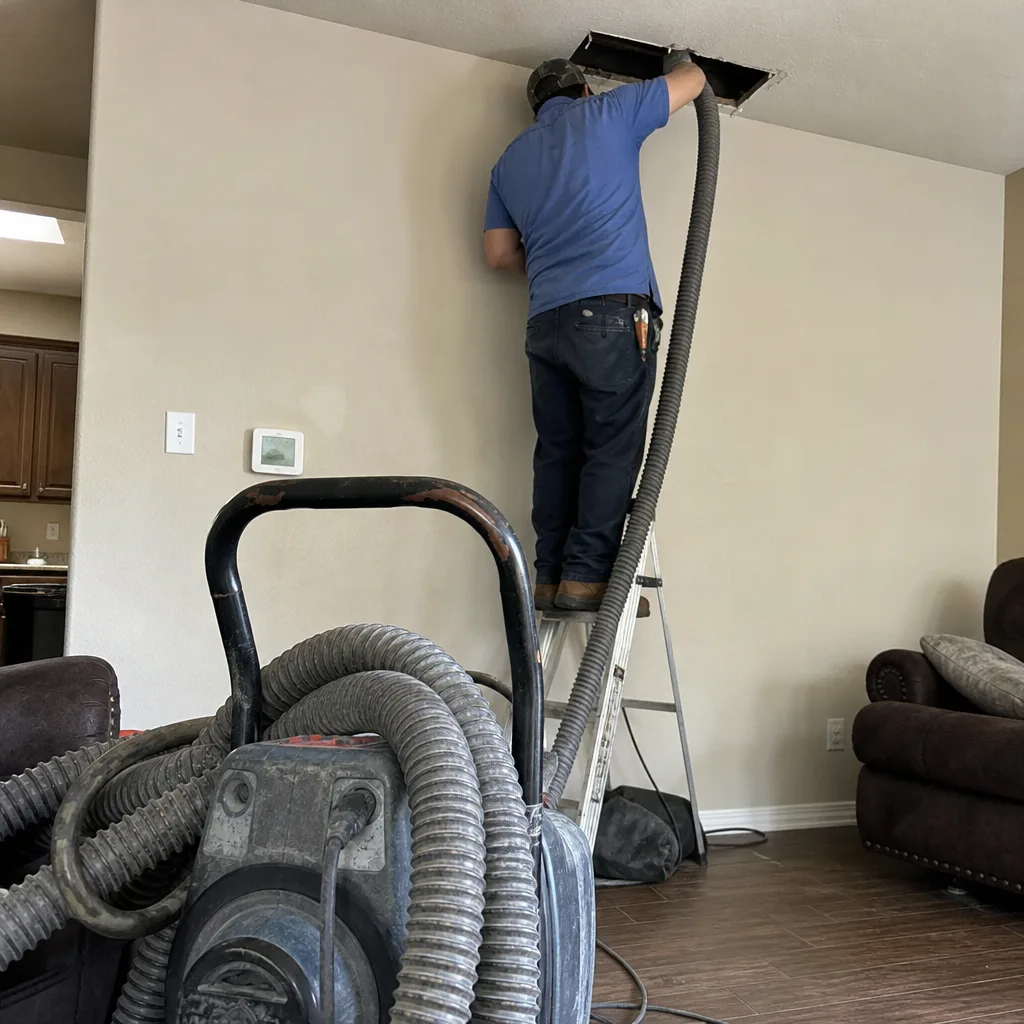 Before
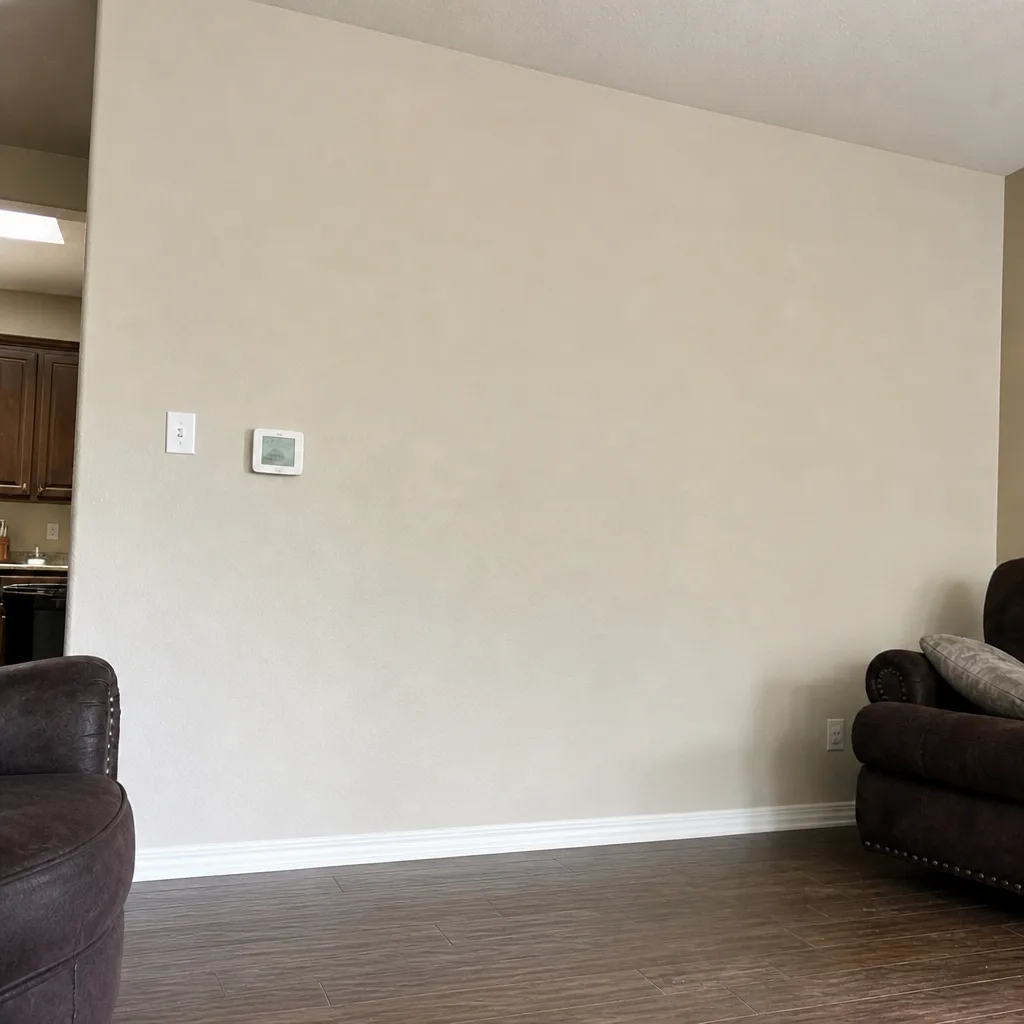 After
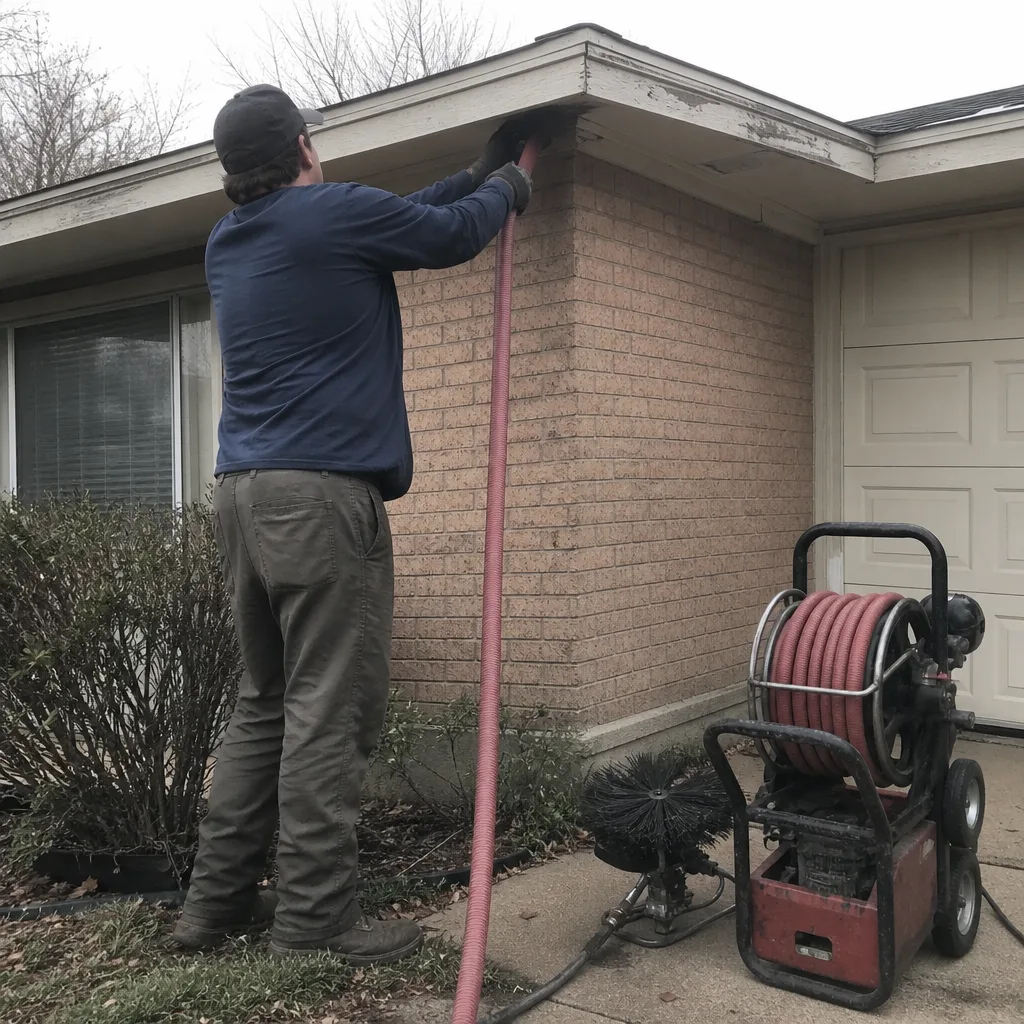 Before
 After
 Before
 After
When to Call a Professional
Call a professional when your own observations form a pattern you can describe but can’t explain. Specifically: temperature swings of four to six degrees across more than one room, a musty or acrid odor that appears only when the system runs, filter loading that returns within two weeks on repeated checks, whistling or rattling that started recently, visible dirt trails at register boots, or humidity that keeps climbing during cooling season. Those signals deserve an on-site assessment because each one points to a mechanical cause that has to be found before it can be fixed. Air Duct Cleaning White Rock offers free estimates in White Rock. Call (855) 337-2035. We answer 24/7. Fast dispatch from 7am to 7pm, Sunday through Friday.
Frequently Asked Questions
For most White Rock homes, every three to five years is a reasonable interval, but the calendar is a poor guide on its own. Your observations matter more than a schedule: if filter loading has shortened, odors have appeared, or register soiling is uneven, the system is telling you it’s due earlier. If none of those signals are present and the system performs well, there’s no rule forcing you to book. Call (855) 337-2035 for a free estimate and a straight answer on whether you need it yet.
We price by the whole system rather than by the vent, so the figure depends on the size and layout of your ductwork, the number of trunks and branches, and whether repair and sealing are part of the job. You’ll get one flat price per system in writing before any work starts, so there’s no drift between the estimate and the invoice. That written estimate sets the final price. Call (855) 337-2035 for an exact quote; estimates are free.
Usually because the scope is smaller than the job. A low quote often covers a partial pass over the accessible registers, without the trunk lines, without the air handler, and without the repair and sealing step that prevents the problem returning. Greeting-card pricing that changes once the technician is on site is the other version. Ask exactly what’s included, whether the equipment is professional-grade, and how the work is documented. Ours is one flat price per system agreed before work starts, with before-and-after photos of your own ducts. Call (855) 337-2035 for a free estimate.
Ask for before-and-after photos of your specific ductwork and registers, not stock images. A legitimate job can be documented: the interior of a trunk line before and after, the register boots, and the air handler. Ask during the estimate what documentation you’ll receive, and treat vagueness on that question as a signal. Call (855) 337-2035 to ask how we document a White Rock job.
Leakage and restriction, more than dirt itself, drive energy waste. Air that escapes through a disconnected run in a warm attic never reaches the room it was meant to cool, so the system runs longer to hit the same temperature. That’s a repair-and-sealing issue as much as a cleaning one, and it’s why we treat the two together. Call (855) 337-2035 for a free estimate that includes an honest look at whether sealing is part of your solution.
A properly performed cleaning with professional-grade equipment and HEPA filtration, followed by Guardsman-grade sanitizing, is designed to reduce what’s suspended in the air, not add to it. The sequence matters: contain the debris first, remove it, then sanitize. Ask any contractor how they contain dust during the job; the answer tells you a lot about the method. For a fuller picture of our approach, see our HVAC cleaning page. Call (855) 337-2035 for a free estimate.
The Bottom Line
Good duct diagnostics comes down to turning vague discomfort into specific observations. Room-to-room temperature swings point to leakage or blockage. Odor type narrows the cause to a moisture source, a dusty heat exchanger, or degraded liner. Register soiling patterns separate a sealing problem from a cleaning problem. Filter loading rate measures how fast contamination is arriving. Duct sounds split into restriction, debris, and pressure. Track those five, write them down, and you’ll walk into an estimate with something far more useful than “the house feels off.” If the pattern points to your duct system, we can look at it with you. Call (855) 337-2035. We answer 24/7. Fast dispatch from 7am to 7pm, Sunday through Friday.
Written by the team at Air Duct Cleaning White Rock.